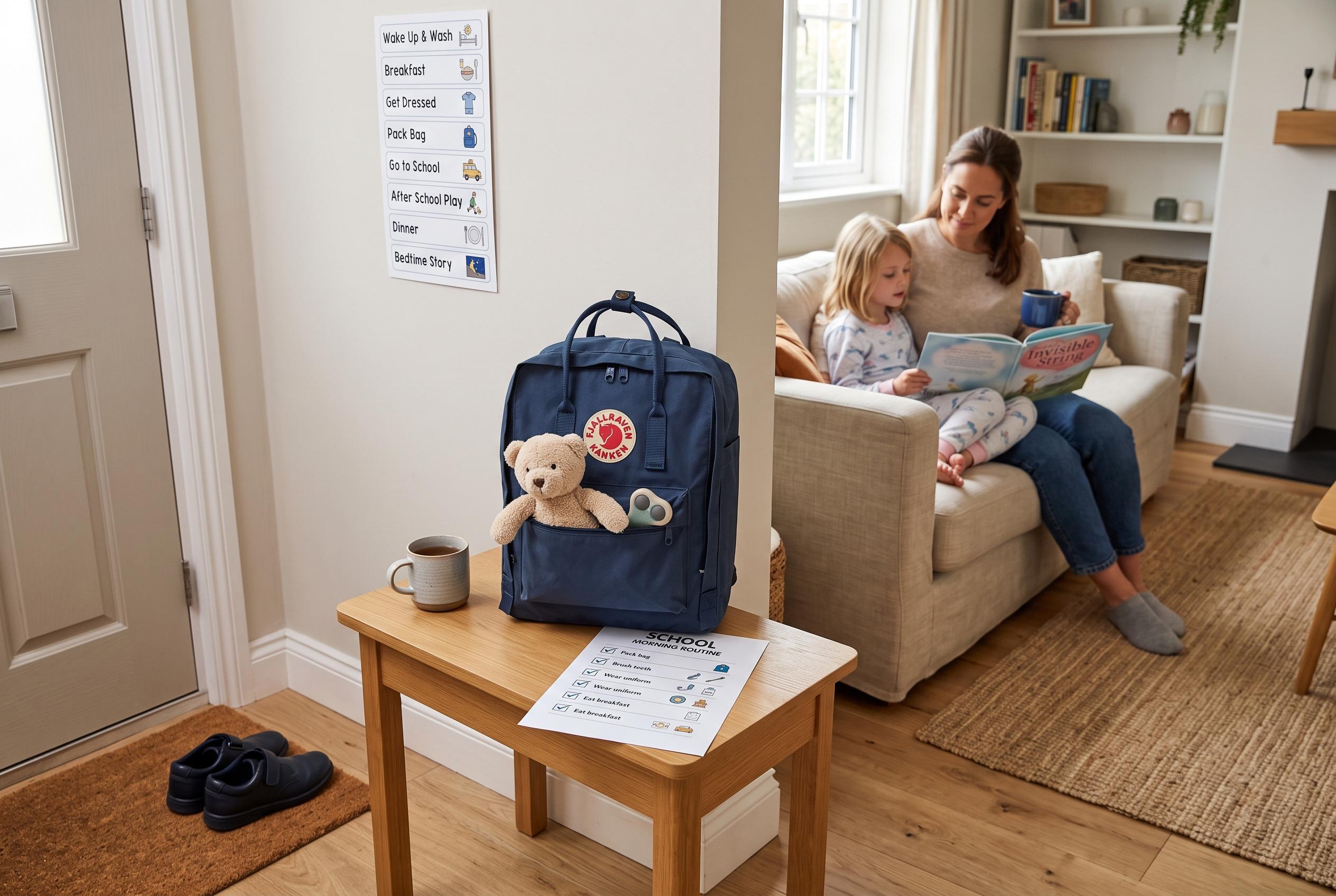

Expert advice highlights the importance of routines, communication and parental modelling to help children navigate the stresses of returning to school smoothly, while recognising signs of deeper anxiety that may require professional support.
The first days of a new school year can stir up a mix of anticipation and worry for children and parents alike. New classrooms, unfamiliar teachers, shifting friendships and the return of homework can make a fresh start feel exhilarating one moment and overwhelming the next. For younger children, separation from parents and the practical challenge of finding their way around a new school can be hard; for older pupils, academic pressure, social dynamics and extracurricular demands often add another layer of strain.
Experts say the best way to ease that transition is to bring back structure before the first bell rings. Regular bedtimes, predictable wake-up times and steady mealtimes can give children a sense of control when everything else feels in flux. The Kids Mental Health Foundation recommends visiting the school or classroom ahead of time where possible, while the American Psychological Association says familiar routines can help children adapt more easily to new settings and expectations.
Simple conversations can also make a difference. Rather than asking a child whether school was good or bad, parents are often better served by more specific prompts that invite detail: what was the best part of the day, what felt difficult, or who they spent time with. If a child is anxious, specialists advise against brushing it aside. Validation matters. A calm response that acknowledges the feeling and then shifts towards problem-solving can help children see that stress is manageable rather than alarming. Weill Cornell Medicine Psychiatry suggests that parents think ahead as well, preparing their own coping plans so they can stay steady when the morning rush gets tense.
Parents, too, can become caught in the pressure of the school year. Early alarms, packed calendars and the return of homework supervision can quickly turn summer habits upside down. That is why experts stress modelling flexibility and realistic expectations. Children notice how adults respond to delays, mistakes and frustration, and those reactions often shape how children handle their own worries. For families with children who have special educational needs, the Child Mind Institute says a close relationship with teachers and a clear structure can be especially helpful during the transition.
A degree of nerves is normal. Trouble sleeping before school starts, a knot in the stomach or a fleeting sense of dread does not necessarily signal a deeper problem. But persistent headaches, stomachaches, sleep disruption, repeated crying, irritability, refusal to go to school or marked behaviour changes may point to something more serious. In those cases, the Kids Mental Health Foundation and other child-wellbeing groups advise seeking professional support if the anxiety does not ease after a few weeks. The aim is not to remove every uncomfortable feeling, but to help children learn that they can face stress, work through it and come out the other side.
Disclaimer: This content is for informational purposes only and is not intended to be a substitute for professional medical judgment, advice, diagnosis, or treatment.