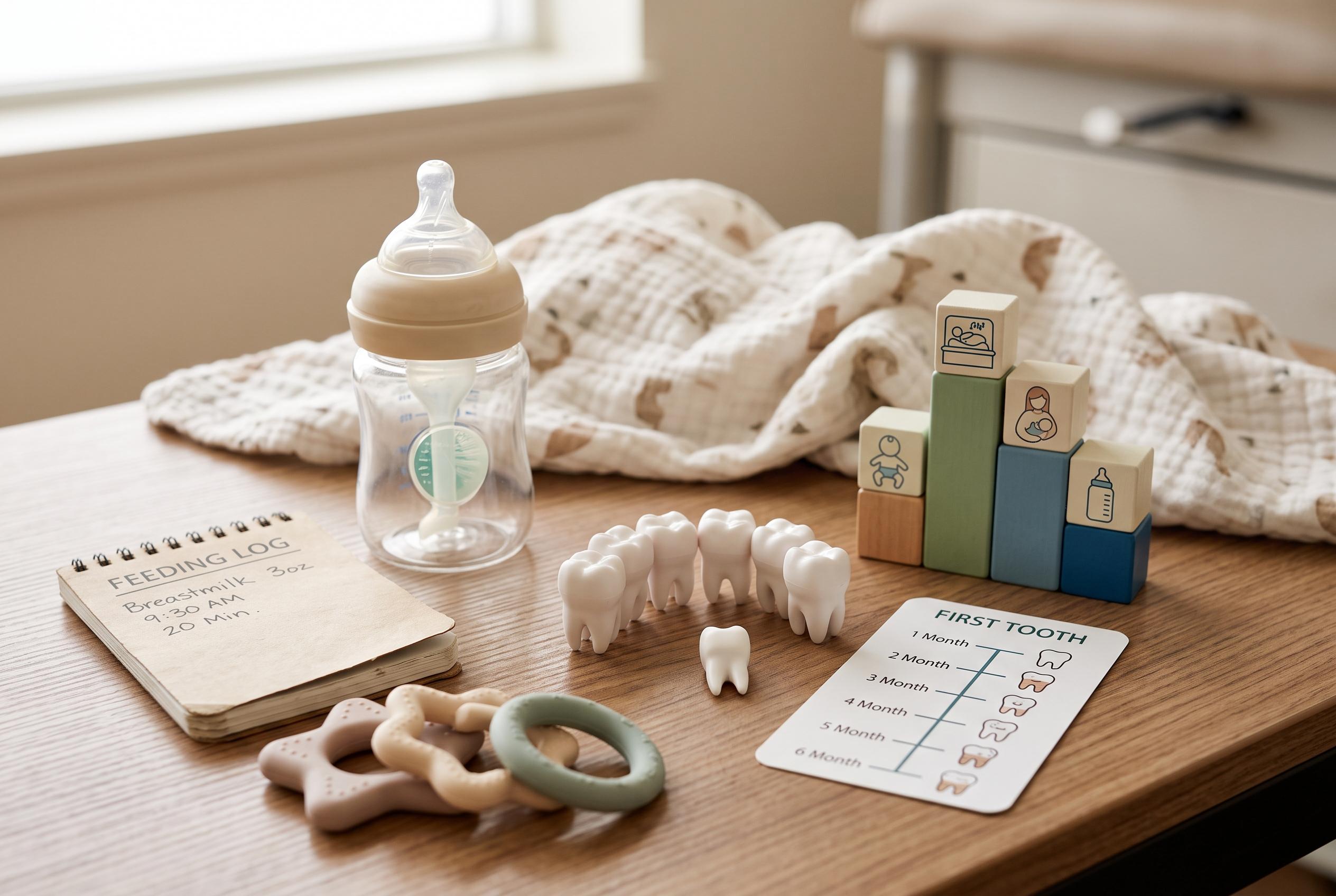

Tehran University research reveals that birthweight, gestational age, and feeding methods shape the timing of primary tooth eruption in preterm infants, with adjustments for prematurity revealing nuanced patterns.
A new cohort study from Tehran University of Medical Sciences suggests that the timing of first primary tooth eruption in premature infants is shaped by a mix of birthweight, gestational age, head circumference and feeding method, but the effect depends on whether age is measured by the calendar or adjusted for prematurity. In absolute terms, infants who were breastfed appeared to erupt earlier than those fed formula, while the adjusted analysis pointed to a different pattern: the more premature and smaller the infant at birth, the earlier the first tooth appeared once gestational age was taken into account.
The researchers reviewed 401 neonatal intensive care admissions at Vali-e-Asr Hospital and followed 145 preterm infants to tooth eruption. Most of the cohort were boys, the median gestational age at birth was 34 weeks and first teeth typically appeared at about 8 months of chronological age. When the team corrected for early delivery, the mean age of eruption fell to 6.5 months, underlining how strongly prematurity can distort simple comparisons with full-term infants. Prior studies have reached similar conclusions, finding that chronological age can suggest a delay while corrected age often narrows or removes the gap.
The study also adds weight to earlier work linking neonatal condition to dental development. A PubMed-indexed study found that birthweight, gestational age and the length of oral intubation all influenced the age at which the first tooth erupted in preterm infants. Other research has reported that low birthweight is associated with later eruption, while a large cohort study in Scientific Reports found that maternal age, sex and birthweight all played a role in timing. In the Tehran analysis, however, many of the apparent associations fell away once multiple factors were considered together.
Feeding practice emerged as one of the clearest findings. Breastfeeding was associated with earlier eruption on the unadjusted timeline, echoing earlier reports that non-breastfeeding diets can be linked with delayed dentition in preterm infants. The authors suggest that the mechanical stimulation of breastfeeding may support craniofacial growth and oral development, though they caution that this relationship did not persist after correction for gestational age, which raises the possibility that feeding is acting as a marker of broader maturity rather than a direct driver of tooth development.
The study also found no strong independent link between neonatal intubation, resuscitation at birth, or most electrolyte measures and eruption timing, despite long-standing concern that serious illness and invasive care may affect oral growth. One notable exception was maternal cardiac disease, which was associated with later eruption in the unadjusted comparisons. Taken together with earlier studies showing that corrected age can erase much of the apparent delay seen in preterm infants, the findings reinforce a broader point: in premature babies, delayed tooth eruption may reflect the biology of early birth more than a separate dental disorder.
Disclaimer: This content is for informational purposes only and is not intended to be a substitute for professional medical judgment, advice, diagnosis, or treatment.