

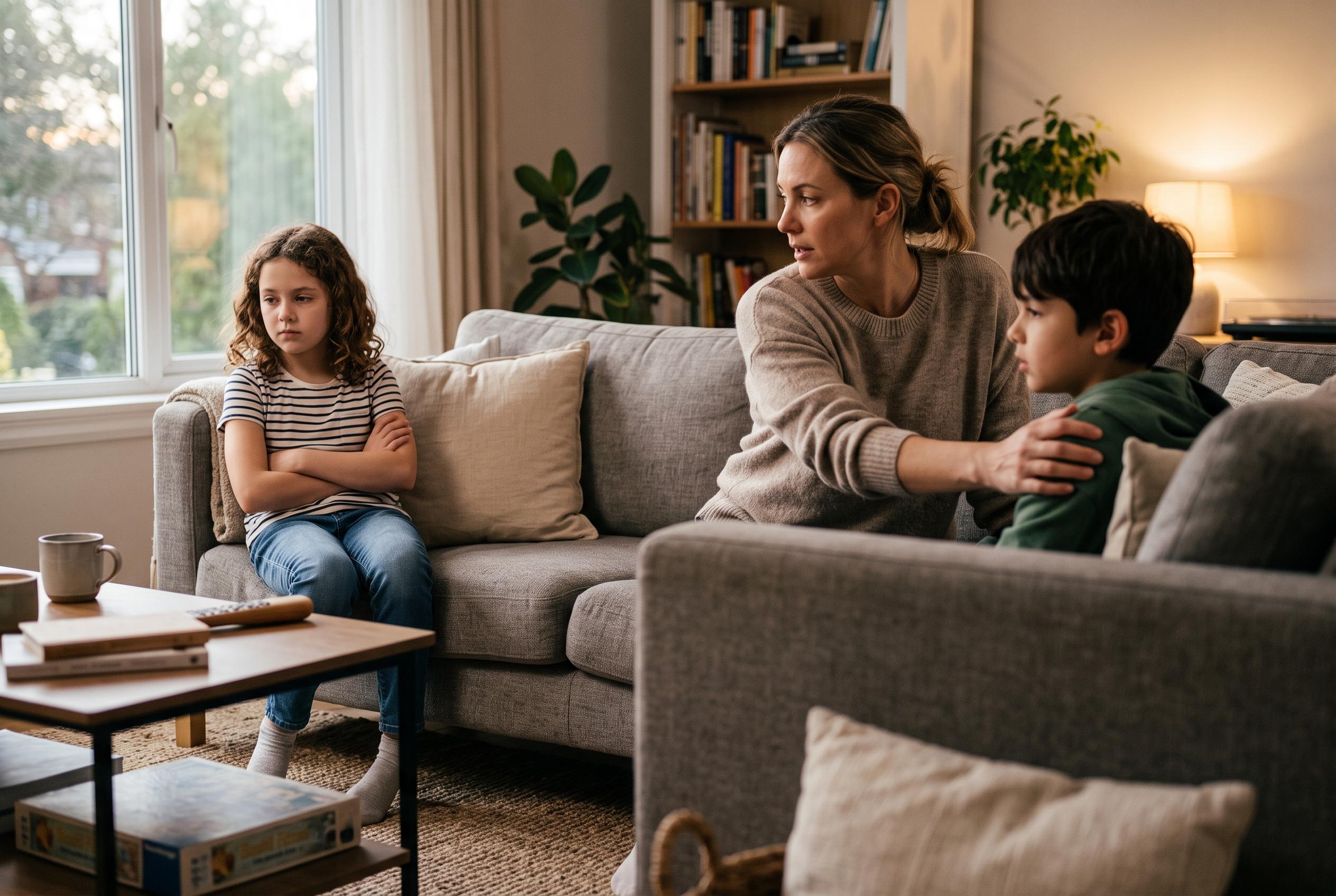

While everyday disagreements among siblings are normal, experts warn that ongoing hostility, coercion, and bullying can indicate deeper behavioural or emotional issues, underscoring the importance of parental intervention.
Siblings arguing is part of family life, but psychologists say some patterns go beyond ordinary rivalry and can signal deeper emotional or behavioural trouble. A recent review of research on sibling conflict suggests that while negotiation and compromise are common ways children handle disputes, persistent hostility, coercion and bullying within the home deserve closer attention.
That distinction matters because not every quarrel has the same meaning. The review found that many studies focus on how children bargain or give way during disputes, yet emotional and relationship-based conflict is measured far less often. That gap, the authors say, makes it harder to understand when sibling tension is simply developmental friction and when it reflects a more serious problem.
Other studies point to the possible consequences. Research published in a psychology journal in Indonesia found that greater sibling rivalry in children aged eight to twelve was linked with weaker emotional regulation. A separate study of adolescents reported a similar pattern, with stronger rivalry associated with poorer ability to manage feelings. Earlier work in the United States also suggested that the emotional climate between siblings can shape later behaviour, including antisocial tendencies in younger children.
These findings reinforce advice often given to parents and caregivers: do not dismiss every fight as harmless. Conflict that repeatedly turns physical, involves a clear power imbalance, or includes ongoing verbal abuse may indicate something more damaging than ordinary disagreement. Parents play a central role in setting boundaries, avoiding comparisons between children and stepping in when one child appears fearful, distressed or dominated by the other.
Handled early, sibling conflict can become a useful lesson in communication and problem-solving. Left unchecked, however, it may contribute to anxiety, low confidence and other difficulties that last well beyond childhood. For families, the challenge is not to eliminate disagreement altogether, but to recognise when it has crossed into a pattern that calls for adult intervention.
Disclaimer: This content is for informational purposes only and is not intended to be a substitute for professional medical judgment, advice, diagnosis, or treatment.



