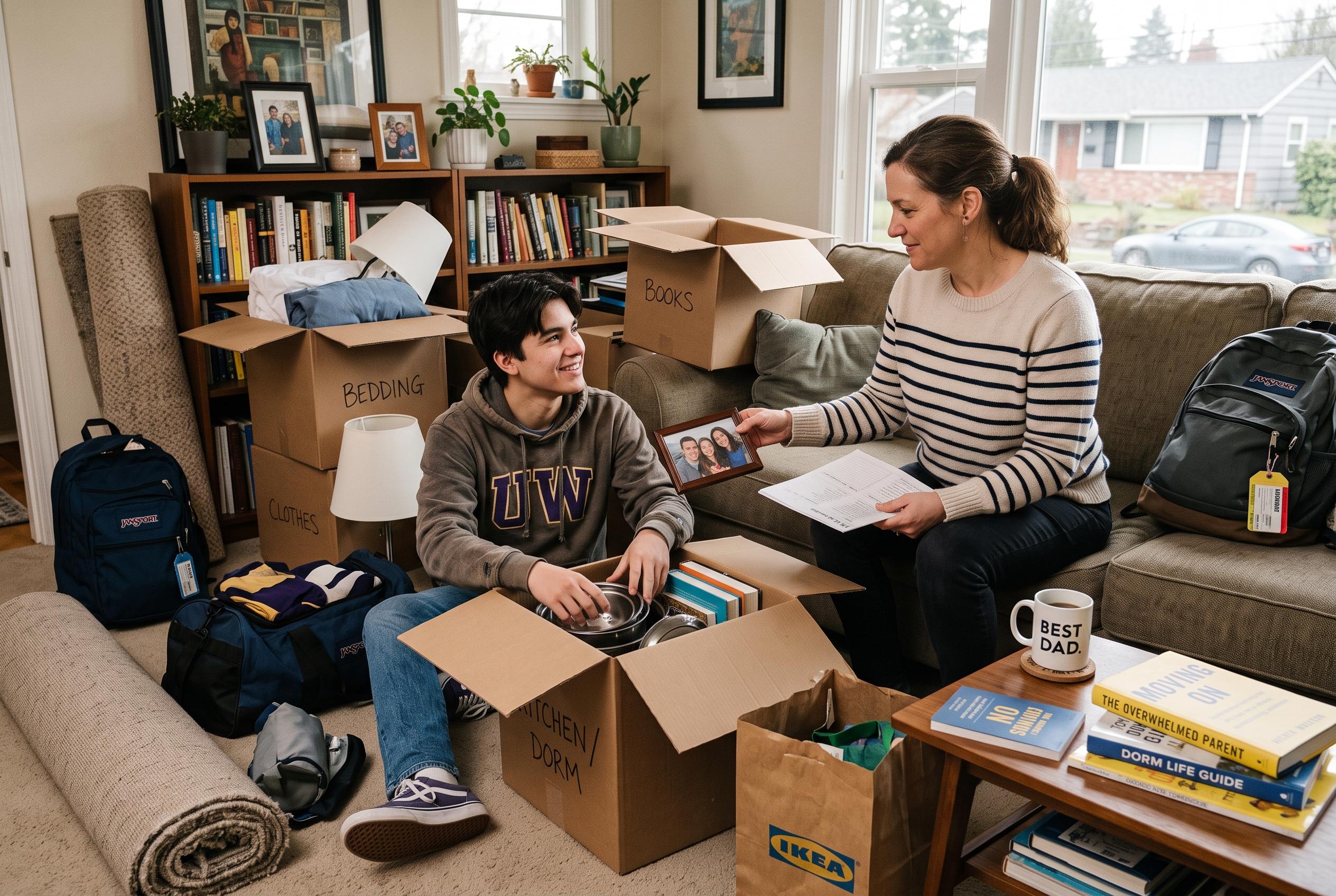

As children head to university, parents must adapt to a new family dynamic, balancing support with independence to foster healthy growth and strong relationships across distances.
As autumn term begins, the moment a son or daughter leaves for university can reshape family life in ways that are both expected and unsettling. Psychology Today says the change can make home feel quieter at first, but the bigger picture is not loss so much as growth: one child is moving into adulthood while the rest of the household adjusts to a new rhythm. Siblings at home often find new freedom, and parents may need time to accept that this discomfort is part of a healthy transition.
Therapists quoted across the supplied background material stress that the aim is not to cling to the old family structure, but to adapt to a different one. That can mean accepting mixed emotions, looking after one’s own wellbeing, and finding fresh routines, whether through a hobby, a return to an old interest or simply more time for oneself. The adjustment is easier when parents remember that their child’s distance is not rejection. In many cases, less frequent contact is a sign that the student is doing what college is meant to encourage: building an independent life.
Communication, experts say, works best when families focus less on volume and more on what feels supportive for the student. For many young adults, texting is the main way they stay in touch, and parents are advised to respect that. The goal is to remain a secure presence without trying to manage every part of the student’s new life. Several of the sources describe that balance as moving from being a manager to becoming a trusted adviser. Parents can encourage independence while still making clear that home remains a reliable place to return to.
Practical gestures can help, too. One suggestion highlighted by Psychology Today is a simple dorm-room toolkit, which serves both as a useful present and a reassuring message: the student has what they need to cope. That broader message matters. College is, in many ways, an exercise in staying connected while becoming more separate, and the strongest families are often the ones that can do both.
Disclaimer: This content is for informational purposes only and is not intended to be a substitute for professional medical judgment, advice, diagnosis, or treatment.