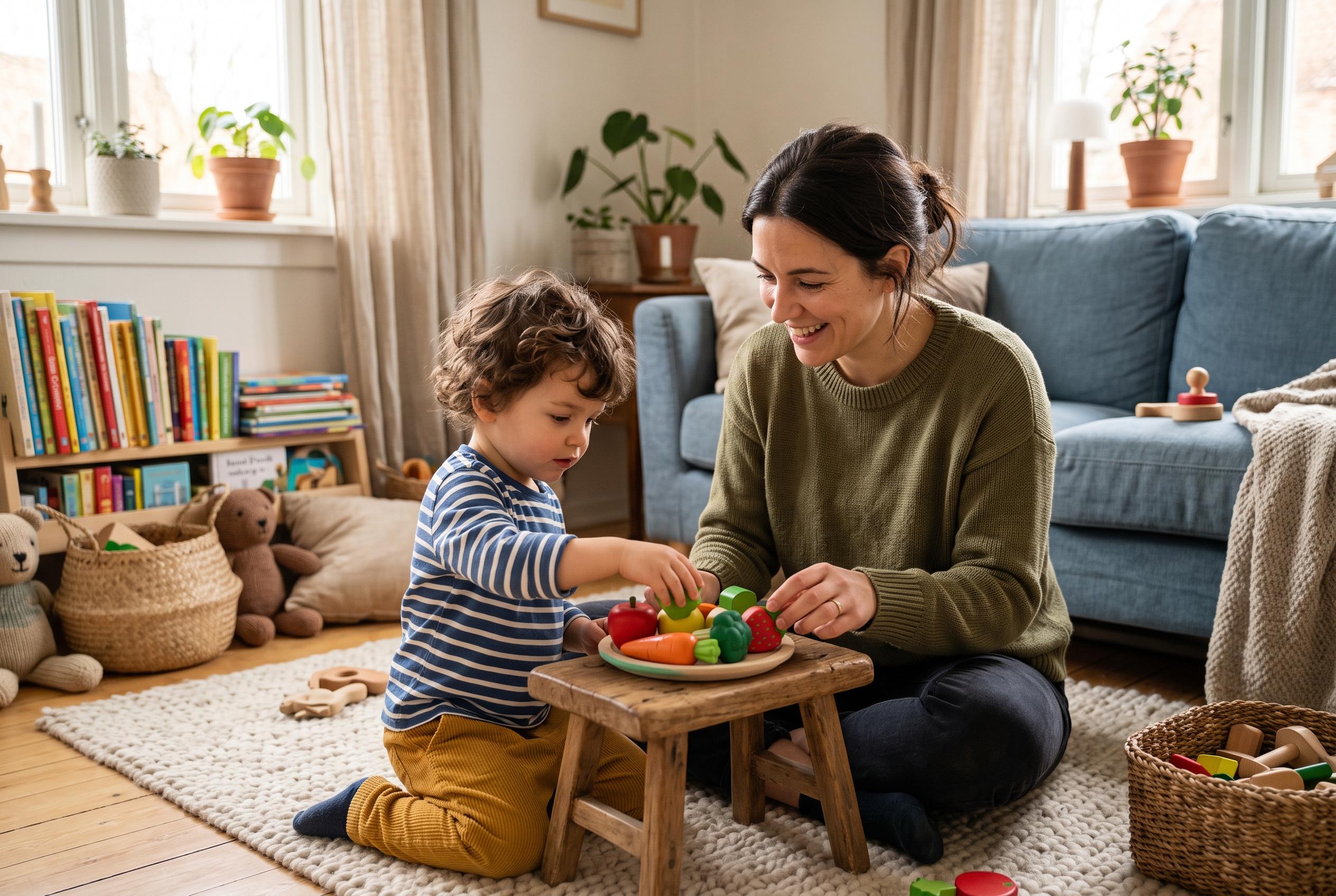

Child health experts emphasise the importance of steady routines and playful engagement in the preschool years to instil lifelong healthy habits around food, sleep, and activity, shaping a secure and positive environment for young children.
As the new school year begins, many parents are thinking about uniforms, lunchboxes and homework. But child health experts say some of the most important lessons for young children are learned far from the classroom, in the daily rhythm of home life. In a piece for Washington Family, paediatrician John Stutts argues that the pre-school years are a crucial period for building habits around food, activity and sleep that can last well into adulthood.
Stutts says the goal is not to turn family life into a tightly managed schedule. Instead, he recommends steady routines that feel familiar and positive. That approach is echoed by the Centres for Disease Control and Prevention, which says consistency and predictability help children understand expectations and feel secure. The CDC also notes that children aged three to five are at a stage of rapid emotional and social development, making this a key time for parents to guide behaviour, reinforce healthy choices and create a supportive environment.
On nutrition, experts say repetition often matters more than pressure. Stutts encourages parents to keep offering colourful fruits and vegetables, even if children do not accept them straight away. HealthyChildren.org, the parenting site run by the American Academy of Pediatrics, says young children often need repeated exposure to a food before they will try it willingly. Bedtime is another area where small habits can pay off. A predictable sequence such as bath, story and lights out can help children shift into sleep more easily, and sleep is widely recognised as essential to healthy development.
Movement should be part of the day too, but it does not need to look like exercise in the adult sense. Stutts recommends making activity playful, whether that means dancing in the kitchen or turning the living room into a game. PBS KIDS for Parents and other child-development resources make a similar point: children are more likely to stick with healthy routines when they are enjoyable and easy to join in. Stutts also notes that familiar characters, songs and stories can reinforce good behaviour, which is why parent-friendly health campaigns often use puppets and beloved children’s programmes to model simple habits such as drinking water, eating vegetables and winding down for bed. Abbott’s collaboration with Sesame Workshop offers free materials built around that idea, including a digital storybook and printable activity sheets for families.
Disclaimer: This content is for informational purposes only and is not intended to be a substitute for professional medical judgment, advice, diagnosis, or treatment.