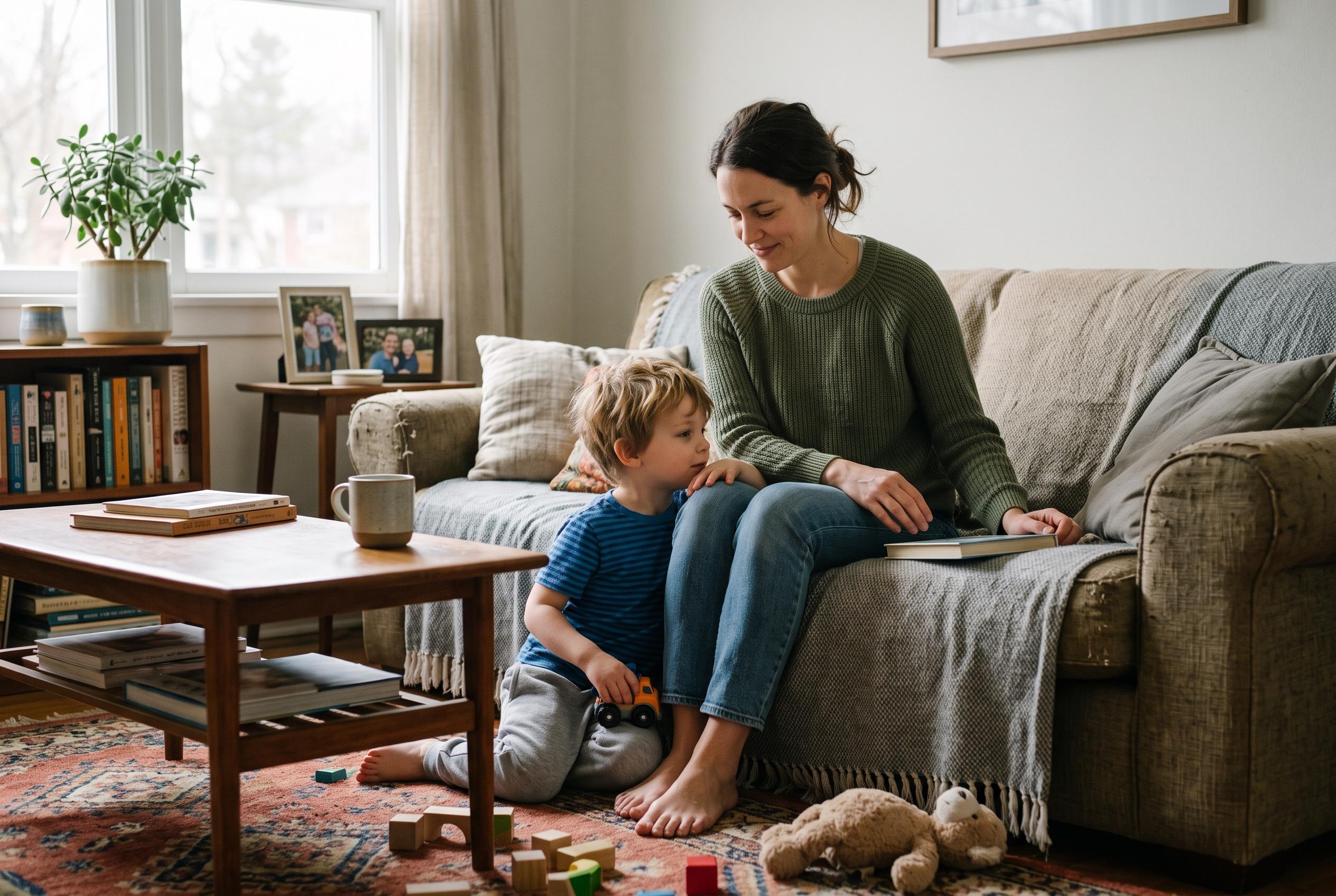

Child-development experts emphasise the importance of parental self-control in managing anger, suggesting that calmness fosters safety and connection rather than escalation.
Many parents assume anger is aimed at a child’s behaviour, but child-development experts say the more important issue is what happens inside the adult in that moment. Dr Laura Markham, writing on The Natural Parent Magazine, argues that anger often distorts perspective, turning a confused or overwhelmed child into something that feels like a threat. Her point is that children learn best when the adult stays regulated, because calm guidance, not escalation, is what creates safety and connection.
That idea is echoed by other parenting and health resources. Healthline and Medical News Today both note that parental anger can affect children’s emotional and physical wellbeing, while Nationwide Children’s recommends stepping away, breathing and using relaxation techniques before responding. The message across those sources is consistent: once a parent is in a fight-or-flight state, the priority is not discipline but self-control.
Markham also frames repeated anger as a signal to look inward. In her view, the child is often not the root cause but the trigger that exposes older stress, unresolved childhood pain or current pressure. That approach aligns with guidance from the Kids Mental Health Foundation, which says children’s anger often has underlying causes such as fatigue, hunger or overstimulation and needs a calm, attentive response rather than a reflexive outburst.
Her practical advice starts with making a decision before the next confrontation arrives: use anger as a cue for reflection rather than action. When the emotion flares, she suggests stepping back, noticing where it sits in the body and breathing through it instead of lashing out. She also recommends journalling or speaking to another parent about the adult’s feelings, not just the child’s behaviour, to get to the deeper source of the reaction.
Yale Medicine says children’s anger and aggression can have both environmental and biological roots, and that treatment may include cognitive behavioural therapy and parent-management strategies. Taken together, the guidance suggests that a parent who learns to regulate first is not giving in, but modelling the very skill a child needs most. Markham’s broader argument is that once the adult stops adding fuel to the fire, the household dynamic often shifts too.
Disclaimer: This content is for informational purposes only and is not intended to be a substitute for professional medical judgment, advice, diagnosis, or treatment.