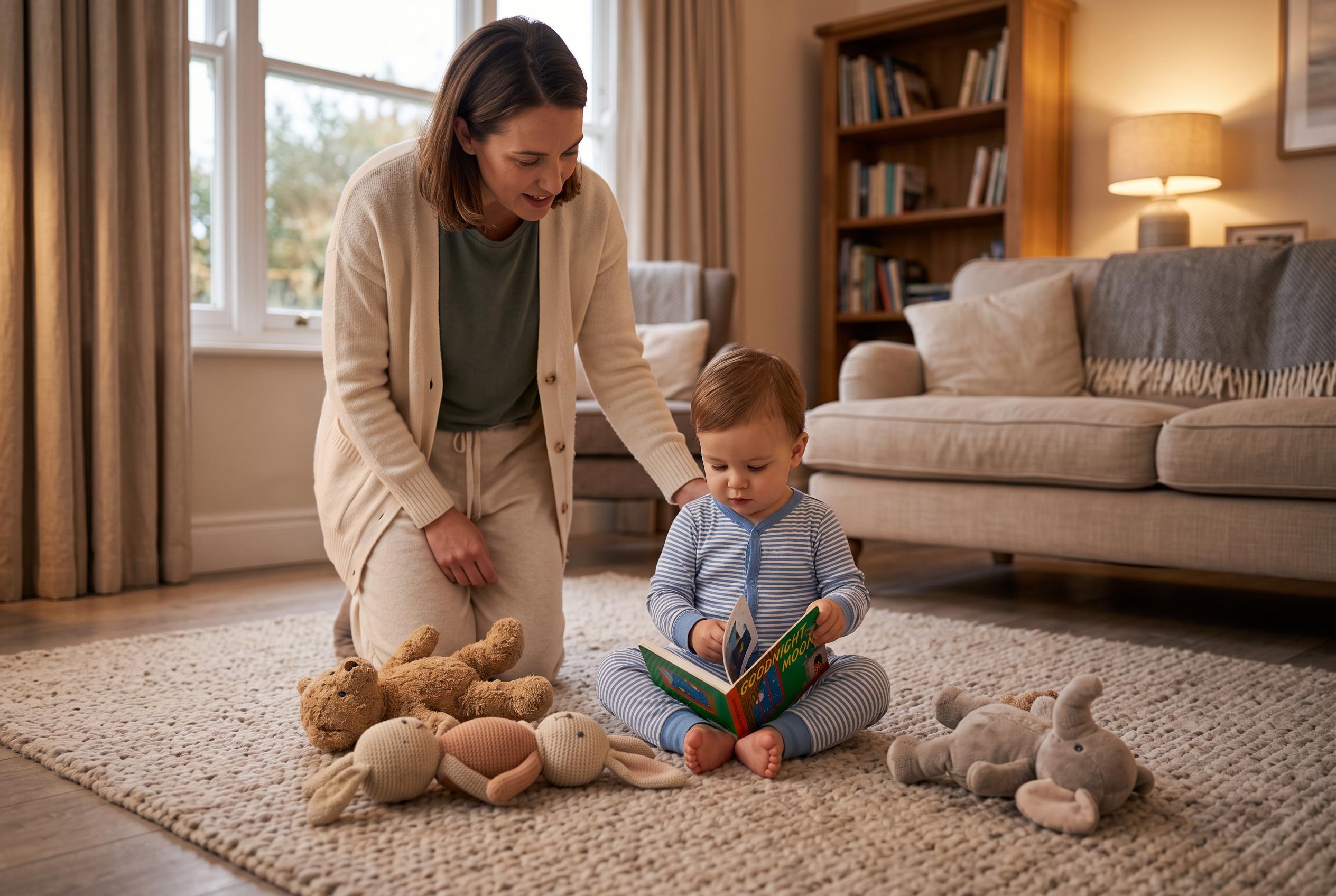

After a family holiday, many toddlers experience temporary behavioural setbacks due to disrupted routines. Experts advise gentle reintroduction of familiar rhythms to help children settle back home smoothly, with most issues resolving within weeks.
Coming home after a family holiday can be harder on a toddler than the trip itself. A child who was cheerful and adaptable at the beach or in the city may suddenly become clingy, sleep badly and throw more tantrums once the household is back to normal. UNICEF says this kind of childhood regression is common, usually brief and often follows major changes or exciting experiences, including holidays.
The reason is not that anything has gone wrong. Toddlers rely heavily on predictability, and holidays tend to disrupt almost every part of that: sleep, meals, surroundings and the daily cues that help them feel secure. First Things First says children can respond to that upheaval with what it calls “big feelings”, while other parenting guidance notes that overstimulation and the move back to routine can leave young children emotionally worn out.
Parents may notice more intense tantrums, bedtime battles, night waking, toileting setbacks, fussier eating and renewed separation anxiety. Some children also reach for comforts they had moved on from, such as bottles, dummies or being carried. Goddard School recommends reintroducing familiar routines quickly, while keeping wake-up times, meals and bedtime as consistent as possible.
That return does not need to be abrupt or stern. Several parenting resources suggest a gentle reset: a quieter first week at home, extra cuddles, familiar toys or blankets, and simple explanations that the holiday is over and home life is back. Looking at holiday photos can also help toddlers make sense of the transition, giving the experience a clear beginning and end.
Consistency matters most when a child is pushing boundaries. A toddler who is unsettled may test rules more often, but loosening them completely can make the return to normal life harder. Guidance from children’s parenting groups stresses that calm, predictable responses tend to help children recalibrate more quickly than overcompensating for exhaustion or guilt.
In most cases, the wobble passes within a week or two. UNICEF says regression is usually short-lived, but parents should speak to a doctor if it is severe, lasts more than two to three weeks or comes with weight loss, extreme withdrawal or physical symptoms. For most families, though, the message is reassuring: the holiday has not undone progress, it has simply left a small child needing time, comfort and a return to familiar rhythms.
Disclaimer: This content is for informational purposes only and is not intended to be a substitute for professional medical judgment, advice, diagnosis, or treatment.