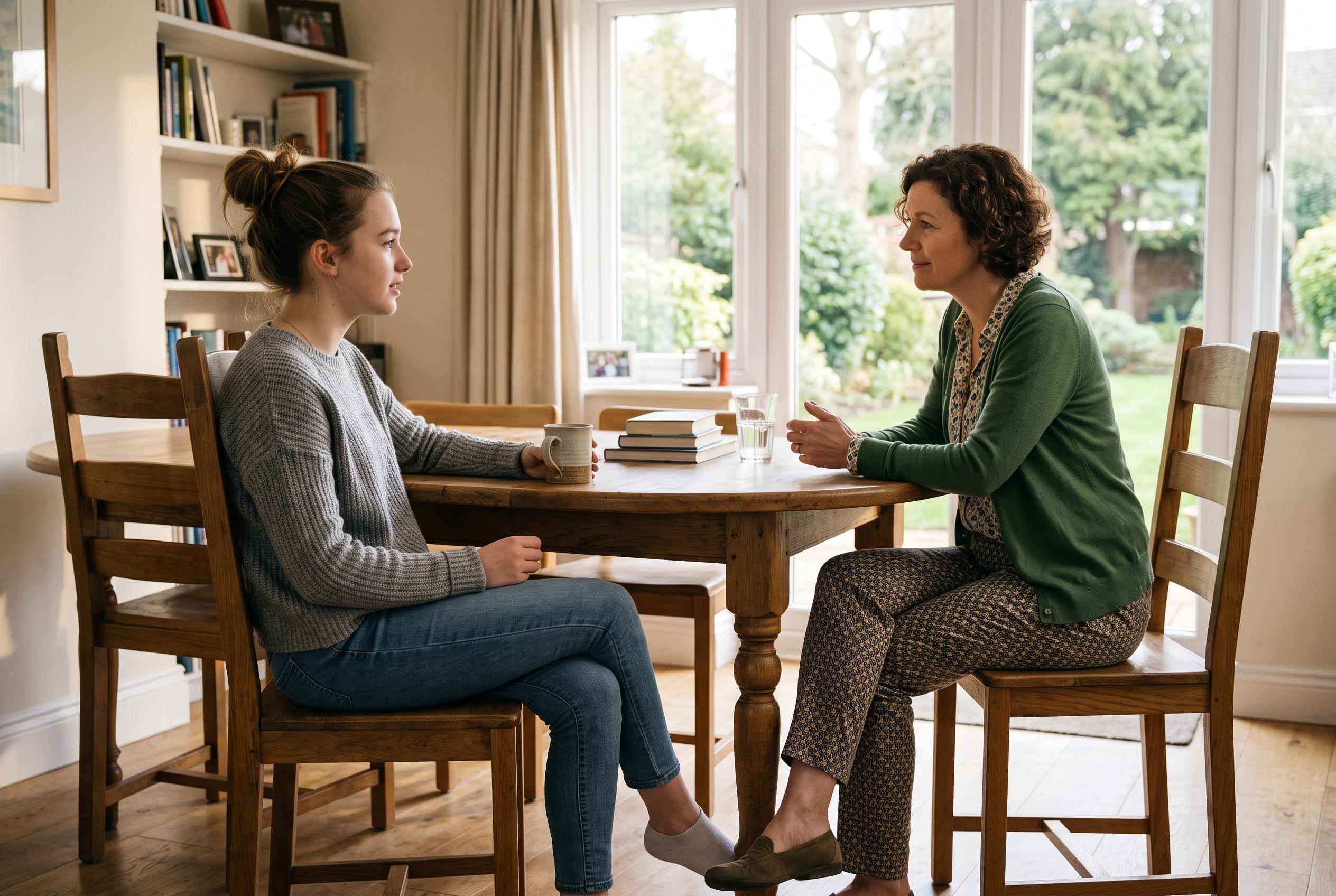

Guidance from experts highlights the importance of early intervention and informed decision-making when assessing the need for higher levels of support for at-risk teenagers, emphasising safety, stability, and transparency in treatment choices.
Parents facing a teenager whose behaviour has become chaotic often reach the same painful question: when does home stop being enough? The answer, according to the guide from Anxiety Gone, is not usually one dramatic incident but a pattern of escalating risk that outpaces what families can safely manage on their own. That can include repeated running away, substance misuse, aggression, self-harm or a mental health crisis that does not settle with outpatient care.
Specialists quoted in related guidance from Polaris Teen, Brave Minds Academy, Paradigm Treatment, Juniper Haven, Centered Health and Emory Recovery say the key issue is safety and stabilisation. When a young person is no longer responding to therapy, is slipping further academically and socially, or is placing themselves or others at risk, more intensive support may be needed. The guide also notes that parents should not wait for a perfect moment to seek help, because in many families the danger becomes clearer only after several warning signs accumulate.
The first step is usually a formal evaluation by a licensed mental health professional, the teen’s therapist or paediatrician. Anxiety Gone says that residential programmes typically require a clinical intake assessment before admission, while a hospital emergency department or behavioural health centre may be the right place for a crisis review if there is an immediate safety concern. For urgent distress, the 988 Suicide and Crisis Lifeline remains an option in the United States.
If a higher level of care is recommended, the main choices range from residential treatment to partial hospitalisation programmes and intensive outpatient care. Residential centres provide 24-hour supervision, therapy, family sessions and academic support. Partial hospitalisation programmes generally involve daytime treatment with the teenager returning home at night, while intensive outpatient programmes offer fewer weekly hours for those who need structure but not constant supervision. The guide also points out that wilderness programmes and therapeutic boarding schools exist, though families should weigh cost, educational disruption and the strength of the clinical evidence.
For parents trying to judge a programme, transparency matters. Anxiety Gone advises asking about the clinical model, staff qualifications, family involvement and the plan for transition back home. That point is echoed across the other guides, which stress that strong programmes should have a clear step-down path if a teenager worsens rather than leaving families to improvise next steps. Cost and insurance coverage are also part of the decision, with some centres accepting private insurance or Medicaid.
Disclaimer: This content is for informational purposes only and is not intended to be a substitute for professional medical judgment, advice, diagnosis, or treatment.