
Guidance for families on easing into the school routine for children with ADHD underscores the importance of early preparation, ongoing observation, and tailored school support systems to ensure a smoother transition back to learning amid September’s challenges.
The return to school can unsettle any household, but for families raising a child with ADHD, September often brings a sharper test of organisation, patience and confidence. Dr Elyse Bensusan, a clinical psychologist in New York City, says the abrupt move from summer’s looser rhythms to early starts, homework and sustained attention can overwhelm children whose executive functioning relies heavily on structure. Her advice is simple: do not wait for the first day of term to begin the reset.
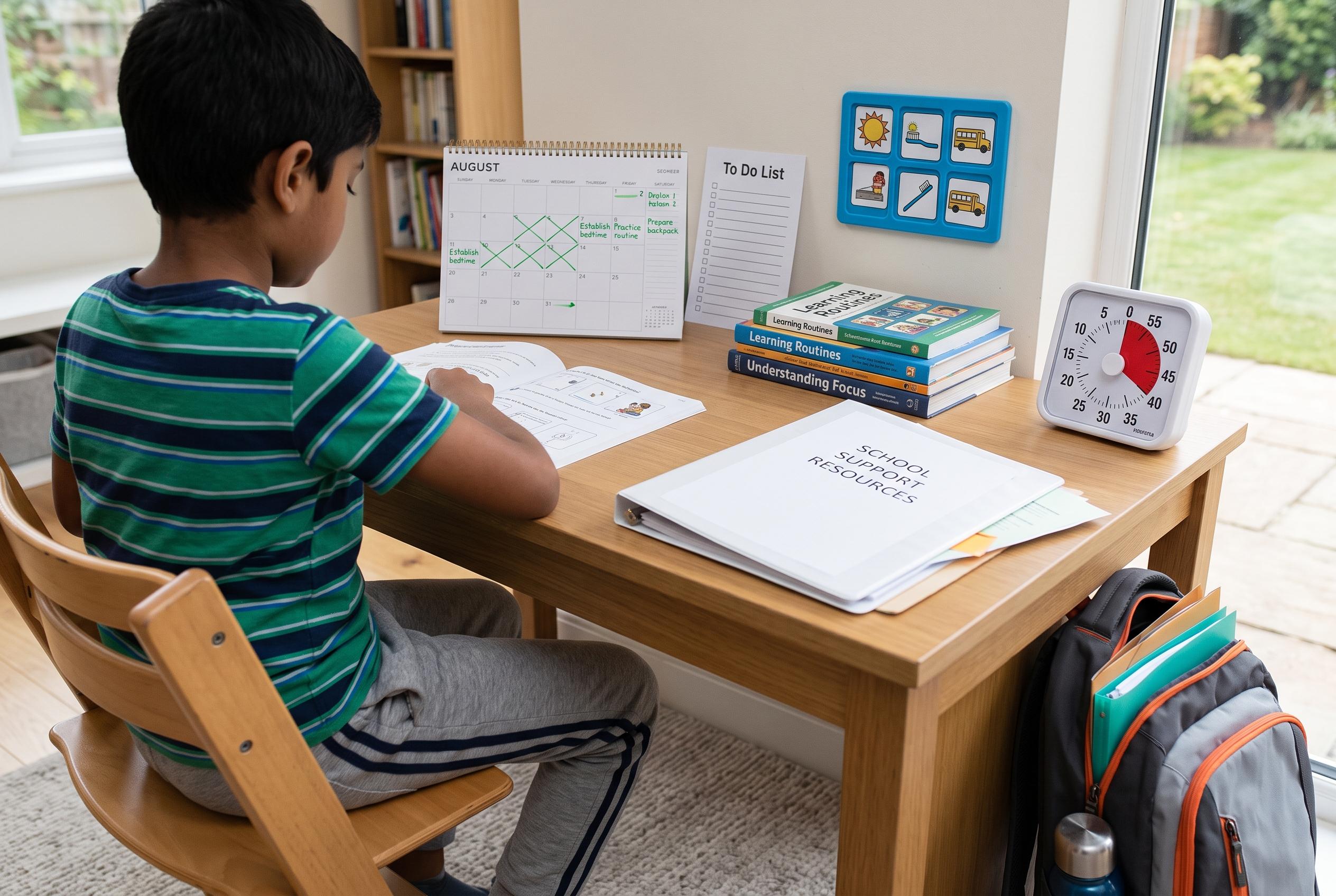
According to Bensusan, families are better served by easing back into school mode at least one to two weeks beforehand. That can mean moving bedtime and wake-up times in small steps, reintroducing short periods of reading or tidy-up tasks, and creating predictable daily cues again. Related guidance from Understood and other ADHD-focused resources echoes that approach, recommending early preparation, visual reminders and organisation tools such as lists and charts to help children adjust before the school bell rings.
Bensusan also urges parents to watch closely during the opening weeks for signs that ordinary adjustment has become something more serious. Tears at the school gate, repeated morning meltdowns, homework that stretches far beyond what is reasonable, or a child who avoids talking about school altogether may all suggest that support is needed. She says parents often sense when a child is struggling before the school does, and they should trust that instinct rather than wait for a formal meeting.
For families trying to navigate school support systems, the terminology can be daunting. Bensusan distinguishes between a 504 Plan, which provides classroom accommodations such as extra time or preferential seating, and an individual education programme, which is designed for pupils who need specialised instruction and measurable goals. She recommends that parents request a formal school evaluation in writing if they suspect a child needs help, while also considering a fuller private neuropsychological assessment when they want a deeper understanding of how the child learns, processes information and manages emotion.
That wider evaluation, she says, works best when it is strengths-based rather than deficit-driven. Instead of focusing only on what a child cannot do, the process should identify where they are capable, motivated and confident, then build support around those assets. That approach, she argues, produces recommendations that are more useful at home and in the classroom. It is also in line with practical advice from other ADHD specialists, who stress the value of teacher contact, routines, movement, relaxation techniques and positive reinforcement as part of a successful school-year plan.
The same logic applies to older pupils and even adults facing major academic demands. Bensusan says some students manage for years without formal support, only to struggle when the workload becomes more complex in high school, college or postgraduate study. For them, back-to-school preparation may mean planning ahead for tests such as the SAT, ACT, LSAT or MCAT, and making sure any request for accommodations is backed by documentation that meets the standards of testing bodies. Her broader message is that the best support comes from seeing the whole child, not just the diagnosis.
Disclaimer: This content is for informational purposes only and is not intended to be a substitute for professional medical judgment, advice, diagnosis, or treatment.