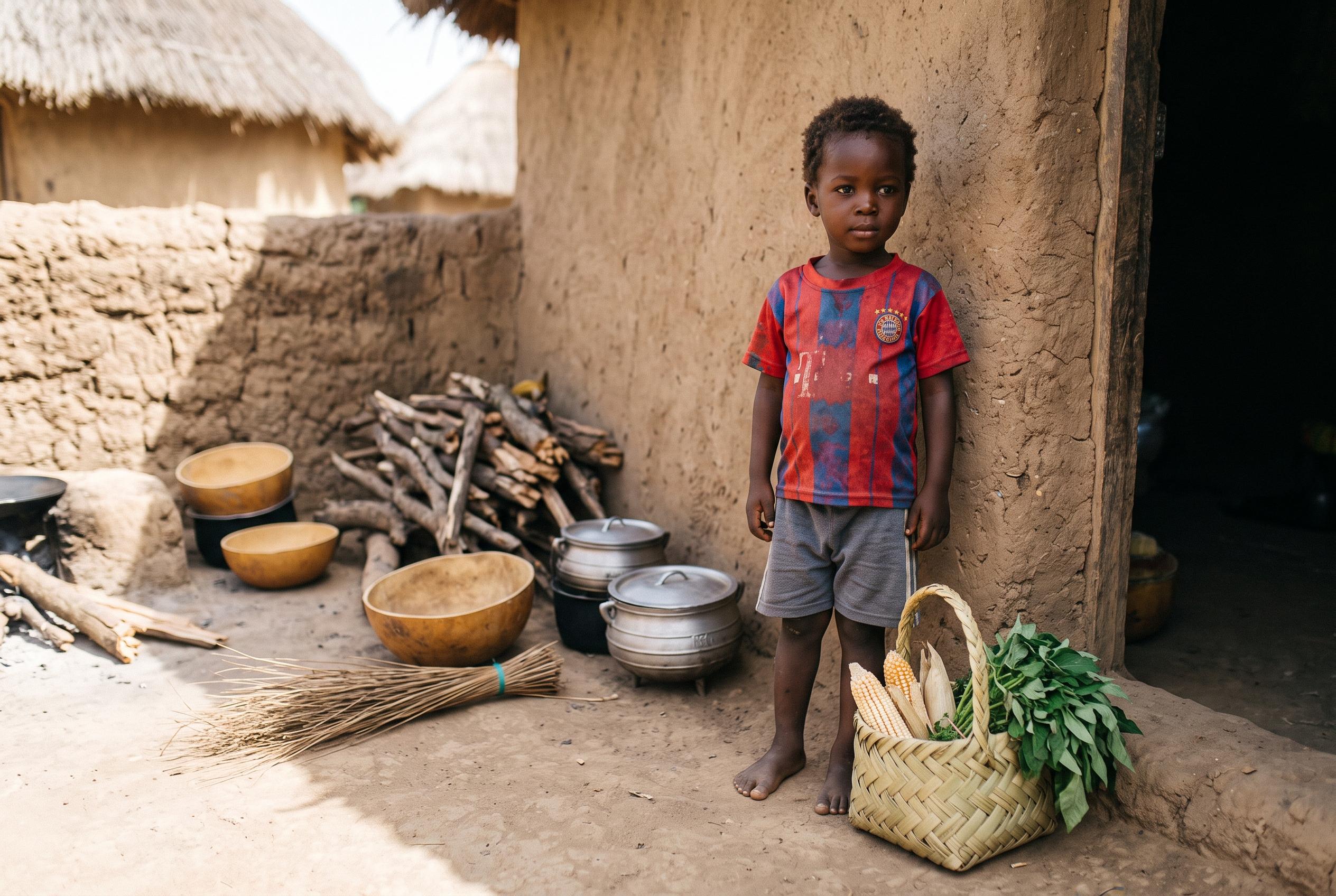

A new report highlights persistent undernutrition among Nigerian children under 5, especially in the North-West and North-East, blaming systemic failures and urging for improved accountability and preventive measures.
About 40% of Nigerian children under 5 are stunted, 8% are wasted and 27% are underweight, according to a new policy report that says the country’s worst hunger burden is concentrated in the North-West and North-East. The Athena Centre for Policy and Leadership argued that the crisis persists not because Nigeria lacks nutrition policies, but because it has failed to turn plans into accountable delivery.
The report, “Why malnutrition persists in northern Nigeria: Strengthening nutrition governance, financing and primary healthcare”, said the system suffers from weak oversight, poor coordination and gaps in responsibility across health, agriculture, social protection and local government structures. It warned that interventions are still too often reactive, arriving only after children have already become severely malnourished rather than preventing undernutrition during pregnancy and the first 1,000 days of life.
The figures are in line with other public-health evidence. UNICEF says malnutrition is directly or indirectly linked to 45% of deaths among under-5s in Nigeria, which has the world’s second-highest number of stunted children. The agency also says about 2 million Nigerian children have severe acute malnutrition, yet only 2 in 10 receive treatment.
The Athena report said the burden is especially severe in northern states such as Katsina, Sokoto and Zamfara, while food poverty is also acute in conflict-hit areas including Borno, Yobe and Adamawa. It cited World Food Programme data showing that more than 17 million people across nine conflict-affected northern states are facing crisis, emergency or catastrophic levels of hunger.
Researchers have repeatedly found that undernutrition in Nigeria is concentrated in the north and is closely tied to poverty, rural residence, diarrhoea and other household vulnerabilities. A separate study published in the Global Journal of Health Science found stunting, wasting and underweight were all more common among children from poorer households, with the highest stunting levels in the North-West and North-East. Another analysis of northern Nigeria found that stunting remained persistently high over time, underscoring how little progress has been made in reducing childhood undernutrition.
The centre, which says it focuses on governance and evidence-based policy, called for tighter accountability, including verified nutrition readiness as a شرط for accessing performance financing under the Basic Health Care Provision Fund in high-burden states. It also urged quarterly public reports on nutrition spending, supplies and service coverage, along with stronger ward-level structures to identify vulnerable mothers and children earlier. Its message was blunt: Nigeria must treat nutrition as a core state responsibility, not an emergency response that begins once a child is already visibly wasted.
Disclaimer: This content is for informational purposes only and is not intended to be a substitute for professional medical judgment, advice, diagnosis, or treatment.