

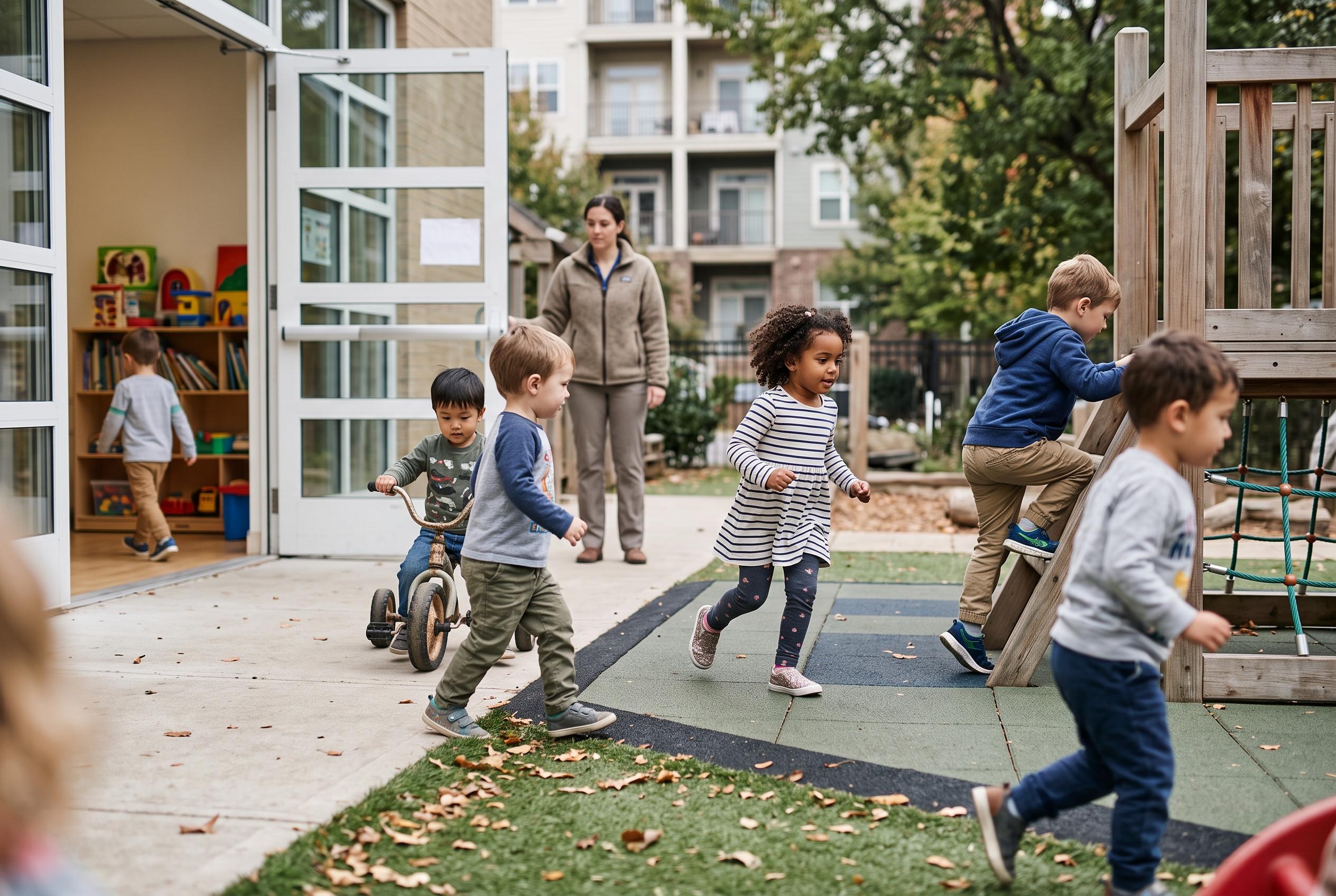

An international study finds that three- and four-year-olds average over 18,000 steps a day, with significant variations based on income, location, and gender, highlighting the importance of a holistic approach to early childhood movement.
Children aged three and four are far more active than many adults assume, and a new international study suggests that the average preschooler takes about 18,000 steps a day. The finding, reported by the German Press Agency and published in The Lancet Child & Adolescent Health, is based on data from more than 3,500 children in 44 countries collected between 2018 and 2025, with movement measured by wearable sensors worn around the waist. The research was coordinated by the University of Wollongong in Australia as part of the SUNRISE project. According to the study, the median weighted total was 18,542 steps a day, meaning half the children recorded more and half recorded less.
The figures also show just how wide the gap can be between children, even at the same age. Daily totals ranged from about 1,100 steps at the low end to nearly 29,800 at the high end, a spread that could amount to more than 25,000 steps between children on the same day. The average for three-year-olds was roughly 17,500 steps, rising to close to 19,000 among four-year-olds. Researchers involved in SUNRISE said early childhood physical activity is important for healthy growth and development, but they stopped short of setting a fixed step target for preschool children, arguing that sitting time, sleep and other movement habits also matter.
Their caution fits with wider evidence from the SUNRISE programme. A pilot study in low-income South African settings found that most preschoolers met the physical activity guideline, while fewer met recommendations for sleep and screen time, suggesting that movement should be considered alongside the rest of a child’s day rather than in isolation. Another study of preschoolers found that moderate-to-vigorous physical activity, the kind that raises heart rate and breathing, was linked with better muscular endurance, and that shifting time towards that activity improved muscular strength. Taken together, the studies reinforce the idea that active play in the early years supports broader physical development, not just higher step counts.
The new analysis also points to clear differences by country and by where children live. Children in lower-income countries recorded about 23,000 steps a day on average, around 5,000 more than those in higher-income countries, while children in rural areas logged roughly 2,000 more steps than their peers in cities. The researchers did not include Germany in the European sample, but the countries represented included Scandinavia, Britain, Spain and Poland, alongside lower-income settings such as India and Kenya. Those patterns suggest that environment, access to outdoor space and daily routines can shape how much young children move.
There were also consistent differences between boys and girls. At age three, boys walked about 1,640 steps more per day than girls, and by age four the gap was still about 1,150 steps. The researchers said the difference may reflect early patterns in play, leisure activities and wider social influences. They suggested that efforts to promote activity in preschool children should pay particular attention to girls and to children with higher body weight, who also tended to register fewer steps. For parents and caregivers, the broader message is simple: young children are often moving more than adults realise, but the amount varies widely, and healthy development depends on the full mix of activity, rest and screen time across the day.
Disclaimer: This content is for informational purposes only and is not intended to be a substitute for professional medical judgment, advice, diagnosis, or treatment.



