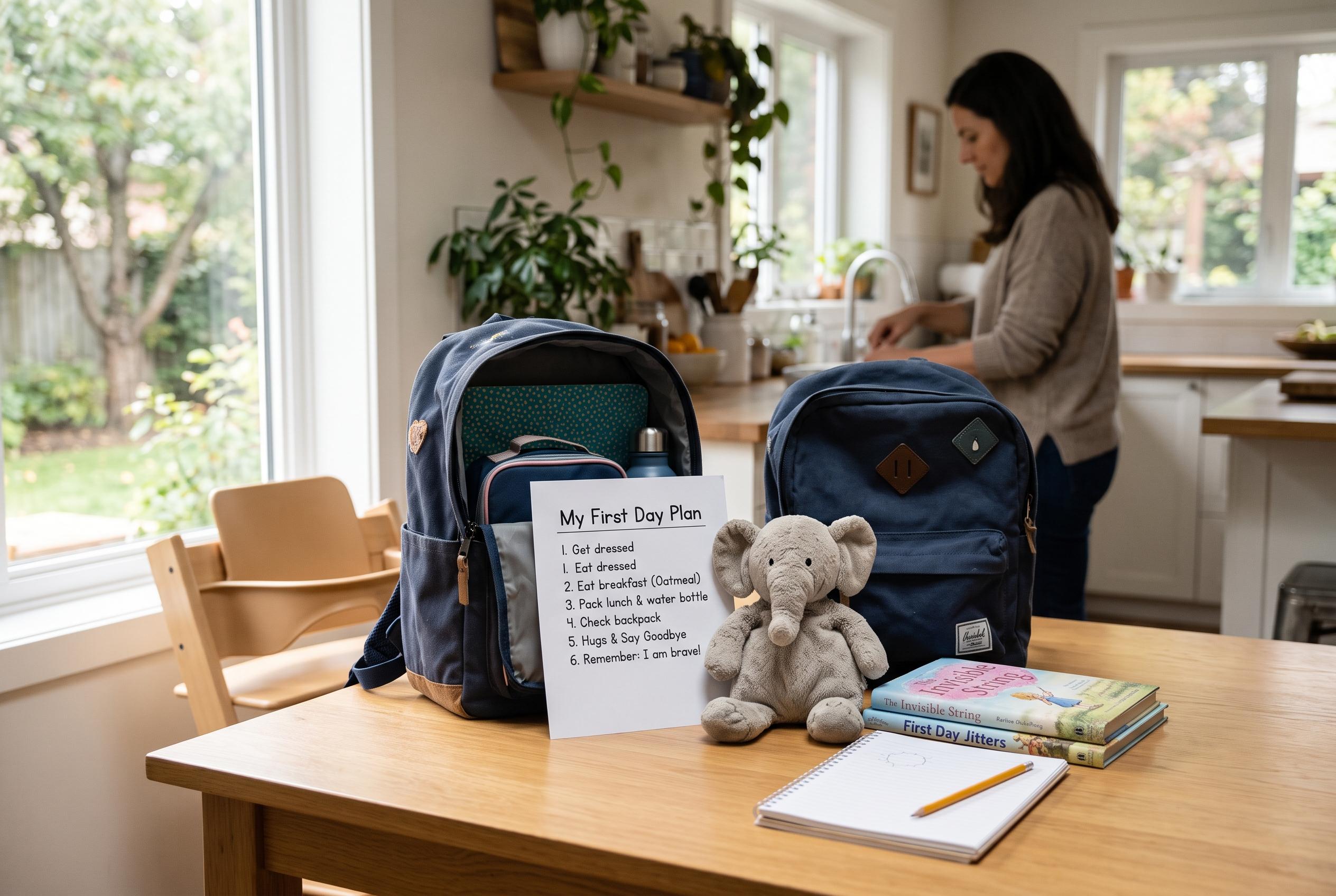

Parents and experts are adopting innovative approaches to ease children’s back-to-school anxiety, emphasising communication, routines, and early support to foster confidence and reduce stress for children returning to the classroom.
Back-to-school anxiety is common in children and can surface days or even weeks before term begins. For some, it shows up as tummy aches, sleep problems, clinginess or repeated questions about teachers, friends and whether school will feel safe. The challenge for parents is not simply calming the moment, but helping a child feel heard, prepared and able to cope.
Experts say the shift back to school can feel abrupt after a long holiday, when days are often more relaxed and predictable. Johns Hopkins Medicine says children may struggle with the return of early mornings, classroom routines, friendships and time away from parents, while Harvard Health notes that separation, academic pressure and social worries can all feed anxiety. Physical complaints such as headaches or stomachaches may also be signs that a child is worried rather than unwell.
One of the most useful steps is to talk about school before the first day arrives. Children often do better when adults ask open questions, listen carefully and resist the urge to dismiss their fears with quick reassurance. The Kids Mental Health Foundation recommends listening first and then problem-solving together, while Children’s Health advises parents to validate feelings and explain what the child can expect.
Routine also matters. Johns Hopkins Medicine recommends easing children back into school rhythms by shifting bedtimes earlier, setting out clothes in advance and practising the morning routine. Children’s Nebraska says visits to the school, open-house events and rehearsal of the first morning can help reduce uncertainty. Some families also find it helpful to arrange playdates or reconnect children with familiar peers before term starts, according to the Kids Mental Health Foundation.
Parents can also build confidence by reminding children of times they have coped with change before. Health experts say that helping children remember past successes can make school feel less intimidating, especially when it is paired with calm, predictable goodbyes at the gate. A short parting ritual, a clear message of support and a relaxed tone from the parent can all help a child settle more quickly.
Most children become more comfortable once routines, classmates and teachers start to feel familiar again. But if anxiety remains severe for more than a few weeks, or if a child regularly refuses school, cannot sleep or shows ongoing distress, experts advise speaking with a teacher, paediatrician or mental health professional. Early support can make the transition easier for the child and less stressful for the whole family.
Disclaimer: This content is for informational purposes only and is not intended to be a substitute for professional medical judgment, advice, diagnosis, or treatment.