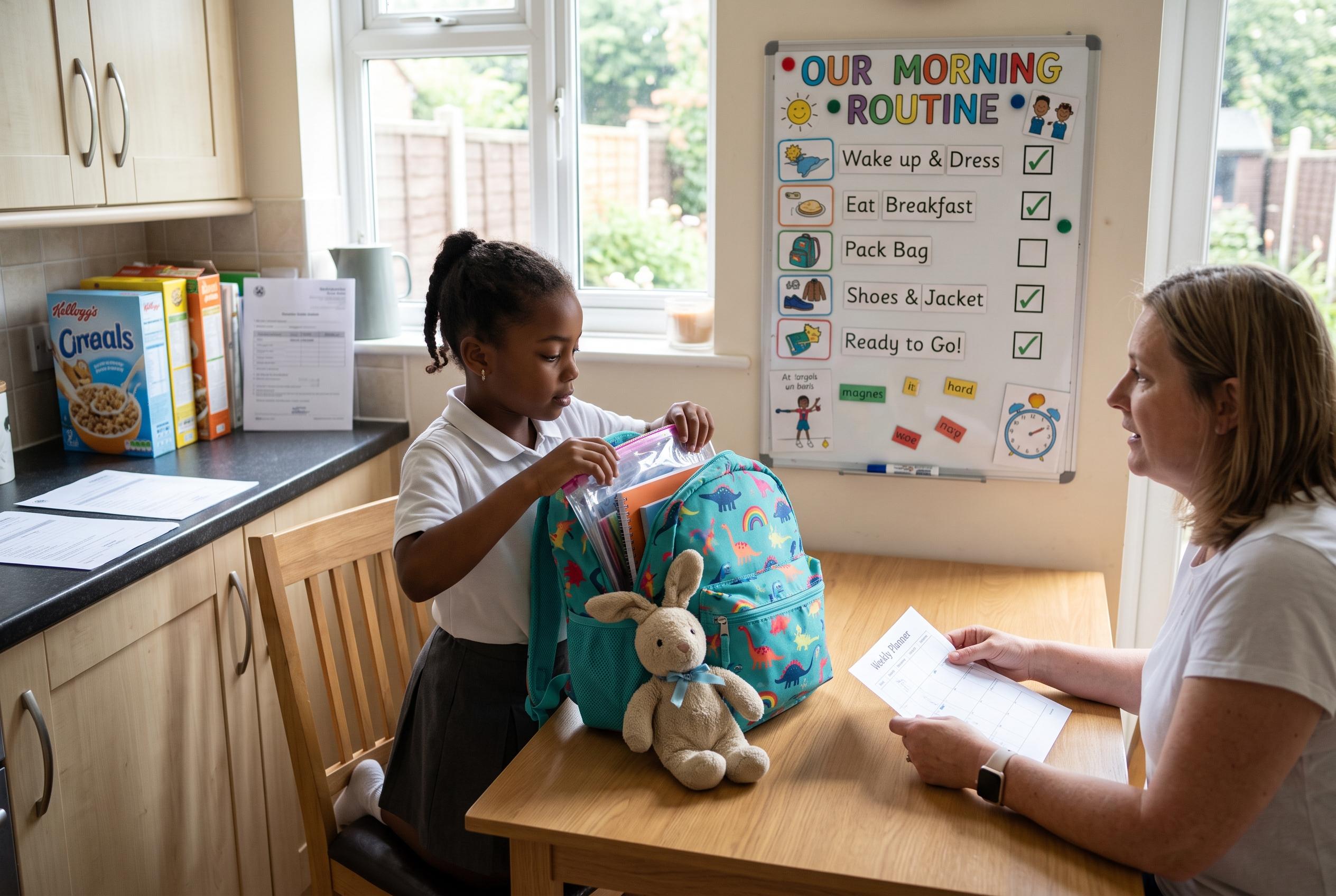

Expert advice highlights innovative preparations and emotional supports to make the start of the school year less stressful for children in foster, kinship, or special-needs situations, emphasising routines, communication, and emotional resilience.
For children in foster care, kinship care or those with additional needs, the return to school can be especially demanding. The shift in routine, unfamiliar classrooms and questions about family life can all add pressure. Crossroads Family Services says careful preparation can make the start of term less stressful for children and the adults supporting them.
One of the most useful first steps is to organise key paperwork before the first day. That may include individualised education plans, allergy information and emergency contacts, along with a simple system for storing emails and school messages. Foster and kinship-focused guidance from other child welfare organisations also stresses the value of early contact with teachers, so families can explain a child’s needs before problems arise.
Practical preparation can help children feel safer in a new environment. School open houses, tours and even a look around the playground can reduce uncertainty, while clothing choices matter too. Advice from foster care groups and child development specialists also points to sensory comfort, predictable clothing and other small adjustments that can make the school day feel more manageable for children who are easily overwhelmed.
Routines are another important anchor. Families are often encouraged to begin school-year bedtime and morning schedules a week or two before classes begin, then practise the full routine in advance. Visual schedules can help children understand each step of the day, from getting dressed to coming home. Packing lunch together can also give children a sense of control and encourage independence.
Crossroads Family Services also recommends building a direct line of communication with teachers and school support staff. That approach is echoed by kinship and foster care organisations, which say children often do best when adults work together around behaviour, learning and emotional support. If a child may be asked about their family, caregivers can rehearse simple answers in advance and reassure them that they can share as much or as little as they feel comfortable with.
Just as important is making space for feelings. Children may worry about separation, peer questions or changes in behaviour, and experts in foster and special-needs support say those reactions should be met with patience rather than pressure. Calming strategies such as paced breathing, grounding exercises and fidget tools can help, but so can a quiet homework area, predictable after-school time and a deliberate celebration of the first day back. Crossroads Family Services says the goal is not perfection but steadiness: helping children feel seen, supported and ready to learn.
Disclaimer: This content is for informational purposes only and is not intended to be a substitute for professional medical judgment, advice, diagnosis, or treatment.