
Despite natural biological shifts and mounting social pressures, experts offer practical tips for helping teens establish healthier sleep routines to combat fatigue, mood disturbances, and concentration issues.
Teenagers who seem permanently exhausted are often battling a mix of biology, pressure and habit. Sleep experts say most adolescents need eight to 10 hours a night, yet many fall well short of that, leaving them more likely to struggle with concentration, mood and resilience during the day. Johns Hopkins Medicine says the teenage body clock naturally shifts later, which makes it harder for young people to fall asleep early and easier for them to want a lie-in. The result is a widening gap between what teens need and what their schedules allow.
That gap is often widened by schoolwork, after-school commitments and constant connectivity. The Sleep Foundation says roughly seven in 10 high school students do not get enough sleep on school nights, while screen time can further delay rest by exposing the brain to blue light and keeping it mentally alert. Night-time scrolling can also stir up anxiety, comparison and overthinking, making it even harder to switch off.
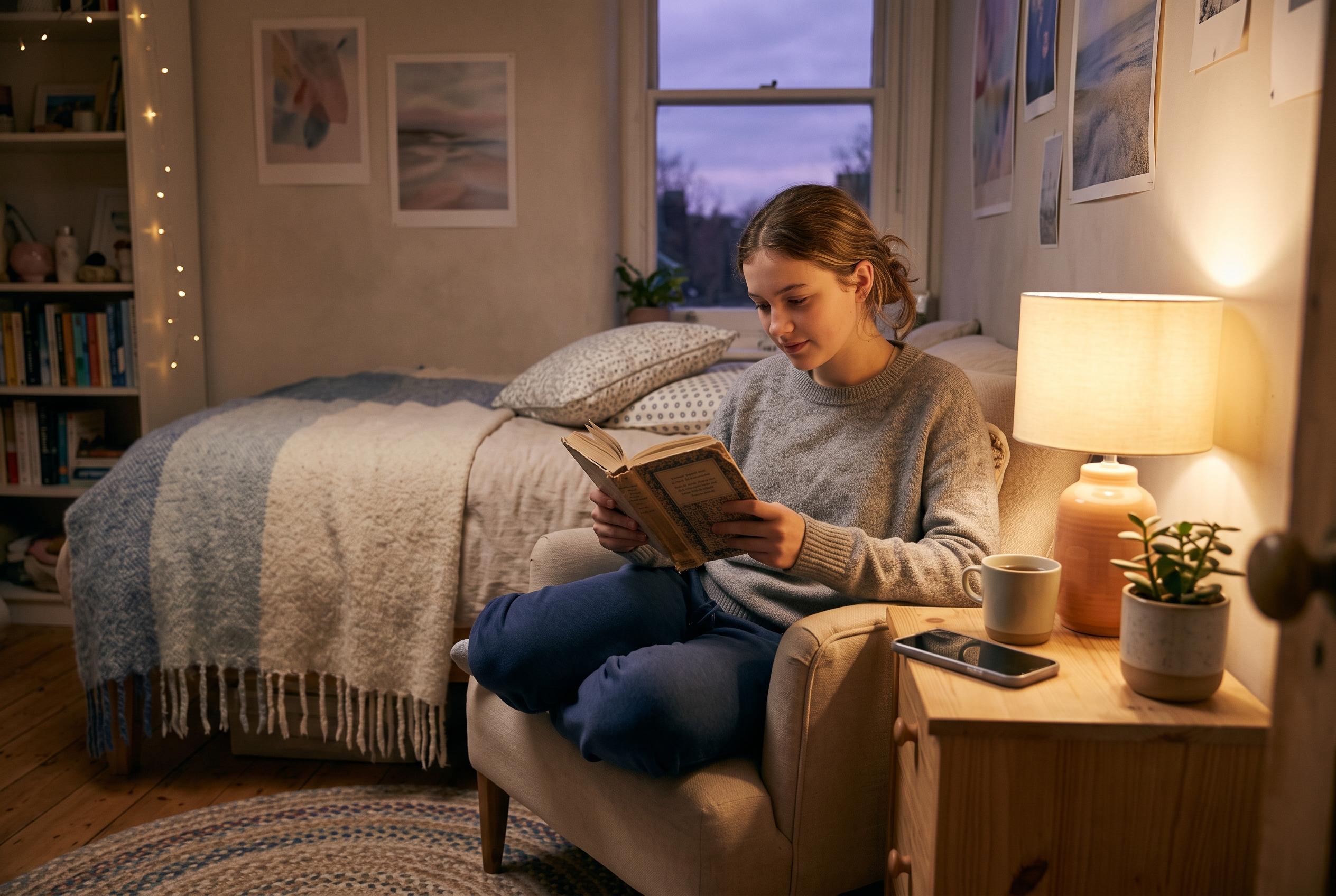
The good news is that parents do not need to rebuild the entire household routine to make a difference. Health specialists recommend starting with a regular sleep schedule, including weekends, because consistency helps train the body’s internal clock. A screen-free wind-down period before bed can also help, with calmer alternatives such as reading, journalling or quiet music replacing last-minute messages and feeds. Keeping phones and tablets out of the bedroom, or charging them elsewhere overnight, can make the plan more realistic.
A settled bedtime routine matters too. A warm shower, stretching, breathing exercises or another repeatable cue can signal that the day is ending. Johns Hopkins Medicine says parents can help most by modelling the same behaviour themselves, since teens are more likely to stick to habits they see at home. Making the bedroom cool, dark and quiet may also improve sleep quality, and some families find that blackout curtains, white noise machines or a weighted blanket help.
Sleep problems are not always just about poor habits. The Sleep Foundation and Cleveland Clinic note that ongoing sleep loss can be linked to irritability, low mood, trouble concentrating and broader health risks, while stress, anxiety, depression and ADHD can all interfere with rest. If a teenager continues to struggle despite better routines, experts advise speaking with a paediatrician or mental health professional. For families, the aim is not perfection but steadier rhythms, fewer late-night distractions and a more rested teenager.
Disclaimer: This content is for informational purposes only and is not intended to be a substitute for professional medical judgment, advice, diagnosis, or treatment.