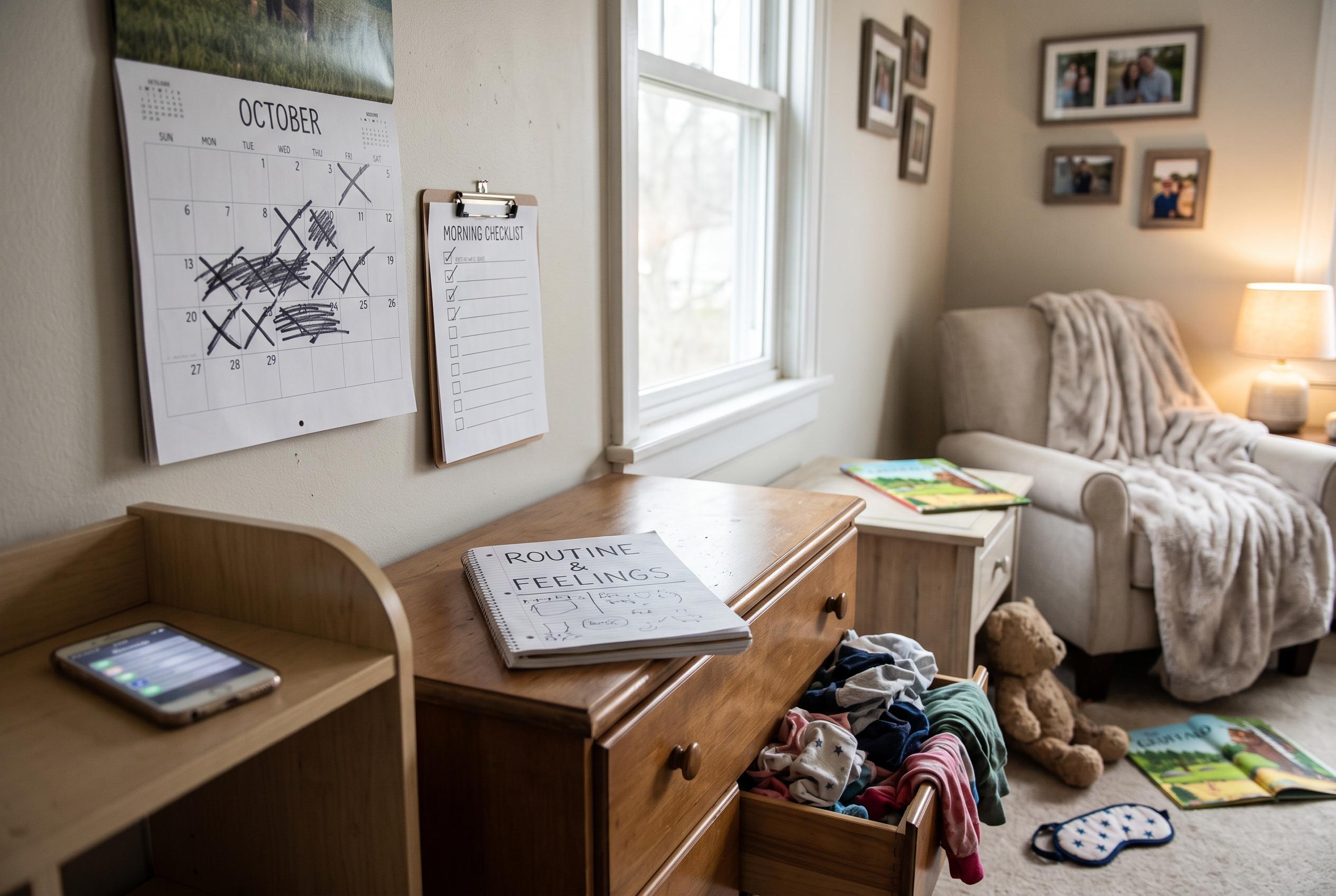

Researchers in California discover that assessing unpredictability in a child’s home environment can significantly improve early detection of depression, sleep issues, and behavioural disorders, supplementing traditional adversity checks.
A new screening approach that looks for instability in the home may help doctors spot children at risk of depression and sleep problems that standard adversity checks can miss, according to researchers at the University of California, Irvine and Chapman University.
The study, which was published in Nature Mental Health on July 21, examined about 30,000 children seen in 19 paediatric primary care clinics in Orange County, California. The team added five measures of unpredictability, including irregular routines and unstable family patterns, to a more traditional screening tool and then compared the results with diagnoses recorded in electronic health records.
The findings suggest that unpredictable home life is a distinct source of risk. Children who scored highly on the unpredictability measures were 12 times more likely to develop depression than those who scored zero, while high scores on the traditional adversity screen were linked to an eight-fold increase. Combined screening improved detection of depression, anxiety, behavioural concerns, sleep disorders and physical complaints such as headaches and stomach pain.
The results add to a wider push in paediatrics to identify mental health problems earlier and more precisely. The American Academy of Pediatrics recommends developmental and behavioural screening from infancy through young adulthood, while other recent research has explored AI-based tools and adaptive screeners to flag risk for conditions including adolescent psychiatric illness and suicide. The new study’s authors say the goal is not perfection at home but greater consistency, because even small routines can matter for healthy development.
Disclaimer: This content is for informational purposes only and is not intended to be a substitute for professional medical judgment, advice, diagnosis, or treatment.