

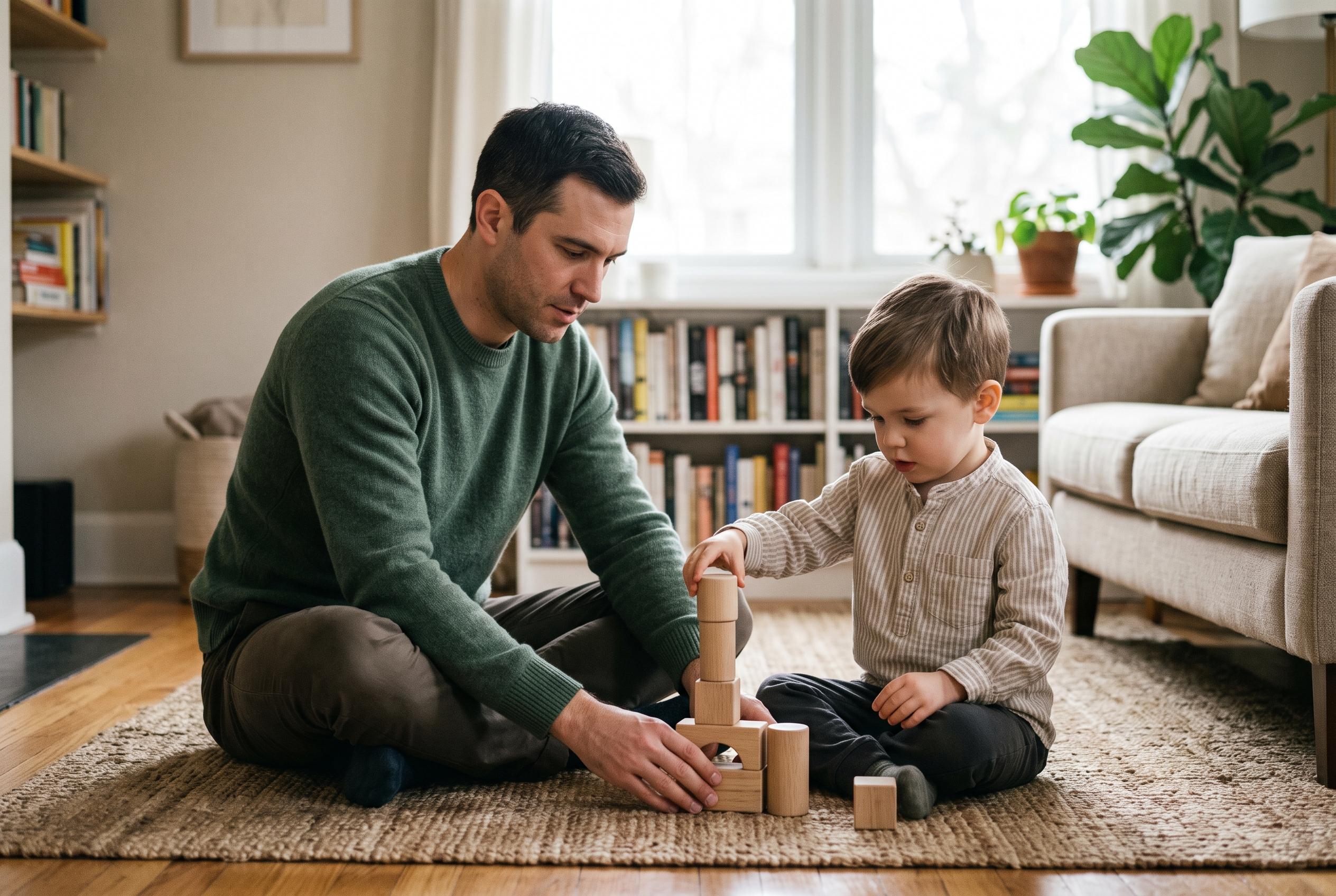

A Yale-developed approach called SPACE demonstrates that restructuring parental behaviour around a child’s fears can be as effective as traditional therapy, challenging assumptions that parental reassurance worsens childhood anxiety.
Parents are often told that the route to raising resilient children is to step back and let them cope. But the most useful evidence on childhood anxiety points in a different direction: not at how much parents comfort their children, but at the small, repeated ways they reorganise family life around a child’s fear.
That is the premise behind Supportive Parenting for Anxious Childhood Emotions, or SPACE, a treatment developed at Yale by Eli Lebowitz and colleagues. In a randomised trial published in the Journal of the American Academy of Child and Adolescent Psychiatry, 124 children aged 7 to 14 with primary anxiety disorders were assigned either to standard cognitive behavioural therapy or to SPACE, in which only the parents attended weekly sessions. The study found SPACE was noninferior to CBT on the main anxiety measures, including ratings from independent evaluators, parents and children, with 78% of families completing the full course.
The target of SPACE is family accommodation: the habits parents adopt to reduce a child’s distress in the short term, such as sleeping beside a frightened child, answering the same reassurance question again and again, or speaking for a child in social settings. These responses are usually loving and understandable, but they can also keep anxiety going. Parents in the programme were not told to become cold or dismissive. They were coached to respond with warmth while also signalling confidence that the child could manage discomfort, then to change accommodations one at a time and prepare for the anger or distress that often follows.
That broader message matters because the evidence does not support the idea that parents are the main cause of childhood anxiety. A meta-analysis in Clinical Psychology Review covering 47 studies found parenting explained only about 4% of the variation in childhood anxiety, and warmth accounted for less than 1%. The clearest signal came from autonomy granting, or how much room children are given to do things for themselves, which explained about 18% of the variance. Even so, the research has limits: the SPACE trial had no placebo arm, the CBT comparison was intentionally stripped down to make the groups distinct, and the sample was mostly white and relatively affluent. As Yale School of Medicine has noted in describing later awareness efforts around SPACE, the treatment is a structured clinical programme, not a blanket instruction to stop reassuring worried children altogether. The practical lesson is narrower and more useful: parents should look closely at which protective habits are driven by fear, and whether those habits are still helping.
Disclaimer: This content is for informational purposes only and is not intended to be a substitute for professional medical judgment, advice, diagnosis, or treatment.



