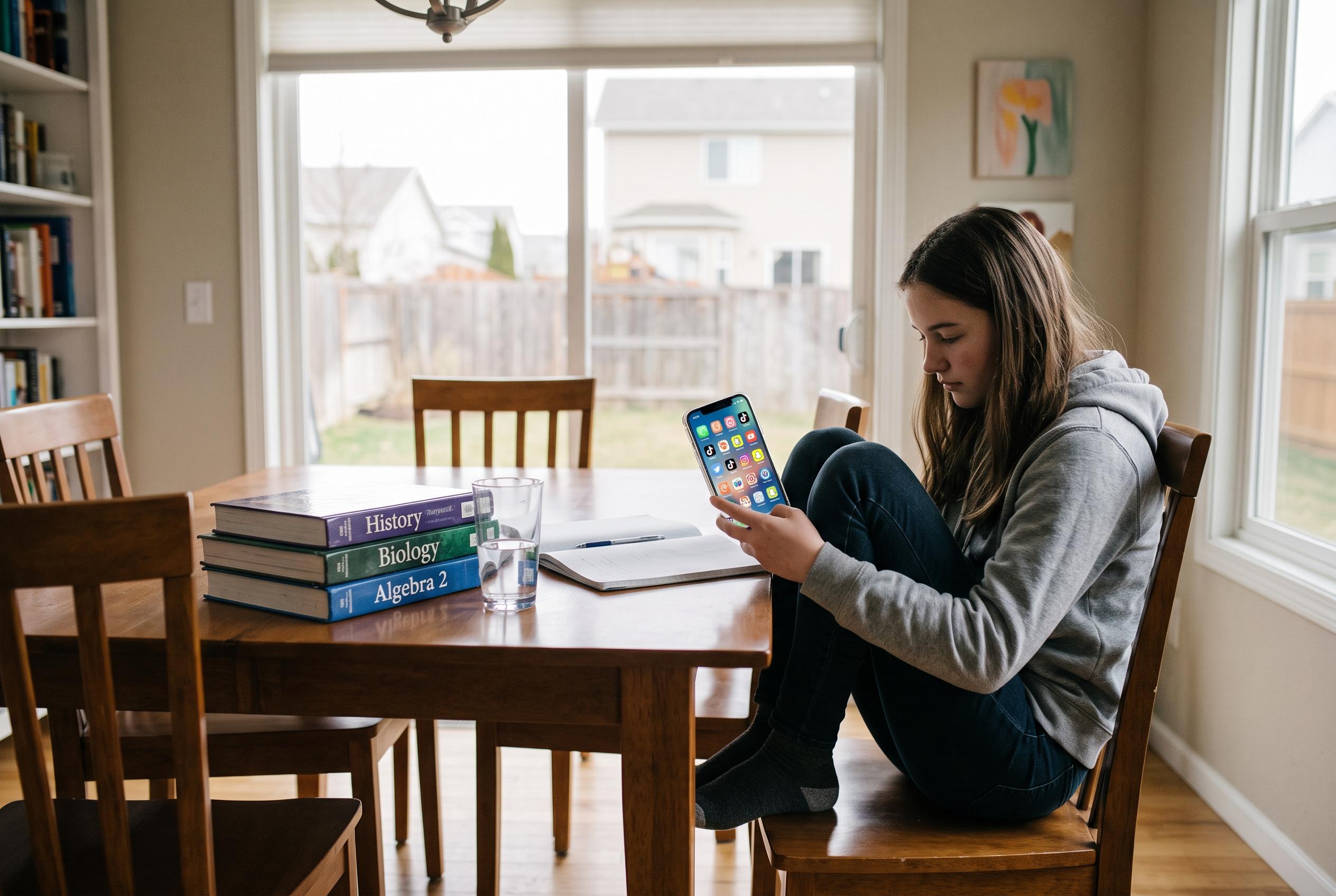

A recent study reveals that teenagers with diagnoses such as anxiety, depression, and ADHD spend more time on social media, indicating a connection between platform use and entrenched mental health issues rather than mere unhappiness.
A new study in Nature Human Behaviour adds fresh weight to the debate over whether social media use is linked only to low mood and poor self-esteem, or to more serious mental health conditions in adolescents. Researchers found that teenagers with diagnoses including generalised anxiety disorder, major depressive episode, eating disorders, oppositional defiant disorder and ADHD spent more time on social media than those without a mental health condition.
The findings matter because much of the earlier debate has centred on a mismatch in the evidence. Some studies have tracked population-level increases in clinical outcomes such as depression, self-harm and suicidal thoughts, while many individual-level studies have focused on self-reported unhappiness or depressive symptoms. The new research narrows that gap by looking at diagnosed conditions rather than questionnaire scores alone, and it suggests the association is not limited to milder measures of distress.
The study also found that adolescents with internalising disorders such as anxiety or depression were more likely to compare themselves unfavourably with others online, feel less control over their time on social media and say that feedback on those platforms affected their moods more strongly. According to the authors, teens with mental health conditions were also less satisfied with the number of online friends they had.
That evidence sits alongside other recent research pointing in the same direction. A JAMA Pediatrics systematic review and meta-analysis found a significant relationship between social media use and internalising symptoms in both clinical and community samples, while separate studies in JAMA Network Open reported that greater social media use was associated with higher depressive symptoms in early adolescence and among adolescents more broadly. Taken together, those findings strengthen the case that time spent on social platforms is not just correlated with fleeting unhappiness, but with more entrenched mental health problems.
Still, the new study is not the last word. As the NEPC analysis noted, the authors did not adjust for sex, even though girls are both more likely to use social media and more likely to have internalising disorders, which may affect the size of the observed association. The study also compared estimated social media time across groups rather than showing the share of teenagers with a mental health condition at different levels of use, a design choice that makes the results harder to interpret. Even so, the broader pattern adds to a growing body of evidence suggesting that heavy social media use and adolescent mental health disorders often travel together.
Disclaimer: This content is for informational purposes only and is not intended to be a substitute for professional medical judgment, advice, diagnosis, or treatment.