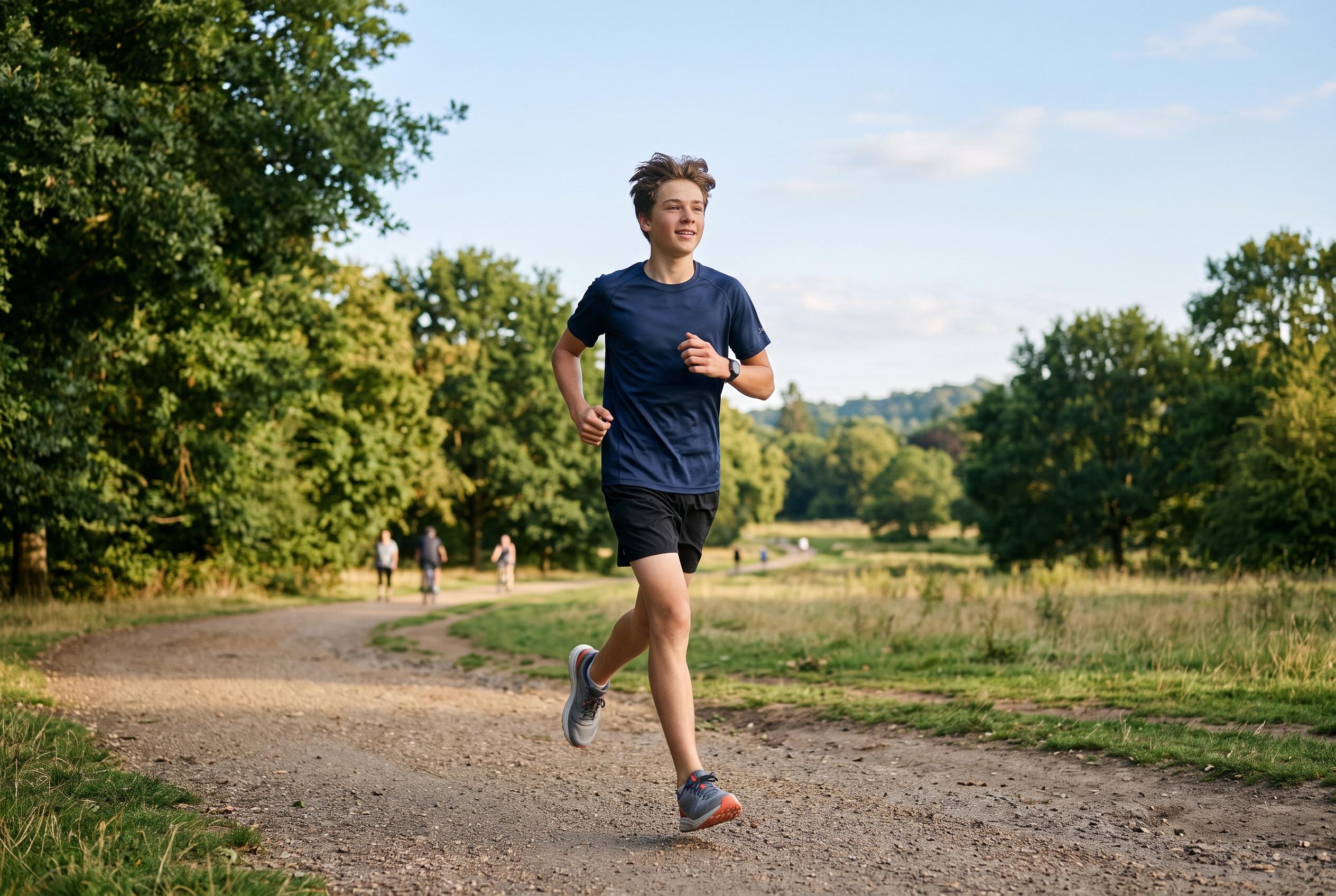

A comprehensive review of recent studies reveals that regular physical activity significantly reduces depression and anxiety symptoms among young people, offering a practical and accessible approach to improving youth mental wellbeing.
Exercise may be one of the most underused tools in youth mental health. A 2026 umbrella review in the Journal of the American Academy of Child and Adolescent Psychiatry brought together findings from 21 systematic reviews, drawing on 375 randomised controlled trials and more than 38,000 children and adolescents. Its conclusion was clear: regular physical activity can reduce symptoms of depression and anxiety in young people.
That matters because the need is large. The review’s authors noted that roughly one in four children and adolescents experience elevated depressive symptoms, while about one in five show elevated anxiety. These problems can disrupt schoolwork, friendships, confidence and later adult wellbeing. Although talking therapies and medication remain important treatments, many families face barriers such as cost, access, stigma and inconsistent follow-through. That has increased interest in options that are practical, affordable and easier to build into daily life.
The evidence suggests movement can deliver meaningful benefits across a wide range of young people, including those who are otherwise healthy and those living with conditions such as ADHD, obesity, cancer and diagnosed depression. According to the Journal of the American Academy of Child and Adolescent Psychiatry review, the gains were not limited to one type of activity or one kind of participant. A separate 2026 umbrella review and meta-meta-analysis published in the British Journal of Sports Medicine, which examined 63 studies involving 79,551 participants, reached a similar conclusion and found aerobic exercise had the strongest overall effect on depression and anxiety in children and adolescents.
The type of exercise appears to matter. For depression, mixed programmes that combine aerobic and resistance work seem especially helpful, while moderate intensity may be enough to produce results. For anxiety, resistance training stood out in the 2026 review. The authors also found that workouts do not need to be extreme to help. In fact, some lower-intensity routines appeared more effective than harder sessions. Another study, published in BMC Public Health in October 2025, found exercise improved depression and self-esteem in children and adolescents, with aerobic training particularly effective for low mood.
Duration also seems relevant, but not in the way many people might expect. Programmes lasting less than 12 weeks showed some of the strongest gains for depressive symptoms, possibly because children and teenagers are most engaged when an activity still feels new. The benefits for anxiety, meanwhile, held up among those who kept going. A January 2026 protocol in BMC Public Health noted that researchers are now trying to pin down the best exercise “dose” for younger people, including which formats and intensities work best. For families, the practical message is simple: this does not require elite sport. Walking, dance, team games, circuit training, strength work and other enjoyable movement may all help.
Researchers believe the effect comes from both biology and behaviour. Exercise can influence brain chemicals linked to mood, support sleep, ease stress responses and promote brain plasticity. It can also build confidence, create social connection and offer a healthy break from negative thinking. Far from being just a fitness habit, it appears to function as a real mental health intervention. And the broader literature is increasingly pointing the same way: a May 2026 meta-analysis in Frontiers in Sports found exercise reduced depression and anxiety in university students, while a January 2026 review in BMC Psychiatry reported benefits for overweight and obese children and adolescents as well. Together, the research suggests movement deserves a much bigger role in how schools, clinicians and parents think about youth mental health.
Disclaimer: This content is for informational purposes only and is not intended to be a substitute for professional medical judgment, advice, diagnosis, or treatment.