
Innovative psychological strategies and personalised planning are transforming how children with chronic gastrointestinal disorders manage school life, addressing both physical and emotional challenges to restore normalcy.
Children with chronic gastrointestinal conditions often face far more than stomach pain or dietary restrictions. Alongside symptoms, they may miss classes for appointments, struggle with unpredictable bathroom needs and worry about explaining absences to friends while trying to protect their privacy. Psychologists who work with these patients say the emotional burden can be just as disruptive as the physical illness.
One approach is to give children practical ways to calm their bodies when their minds are in alarm mode. Techniques such as deep breathing, muscle relaxation and mindfulness can help them notice stress without becoming overwhelmed by it. At the Children’s Hospital of Philadelphia, psychosocial teams and motility psychologists use therapies such as cognitive behavioural therapy to help young patients understand the link between thoughts, body sensations, emotions and behaviour, with the aim of restoring everyday routines.
Language can matter too. Clinicians often encourage children to shift from all-or-nothing thinking to more flexible self-talk, such as swapping “but” for “and” when describing life with a condition. That small change can help a child move from “I want to play sport, but I have IBD” to “I want to play sport, and I have IBD”. Some specialists also suggest giving anxious thoughts a silly name so they feel less powerful, a technique meant to create distance from fear rather than fight it head-on.
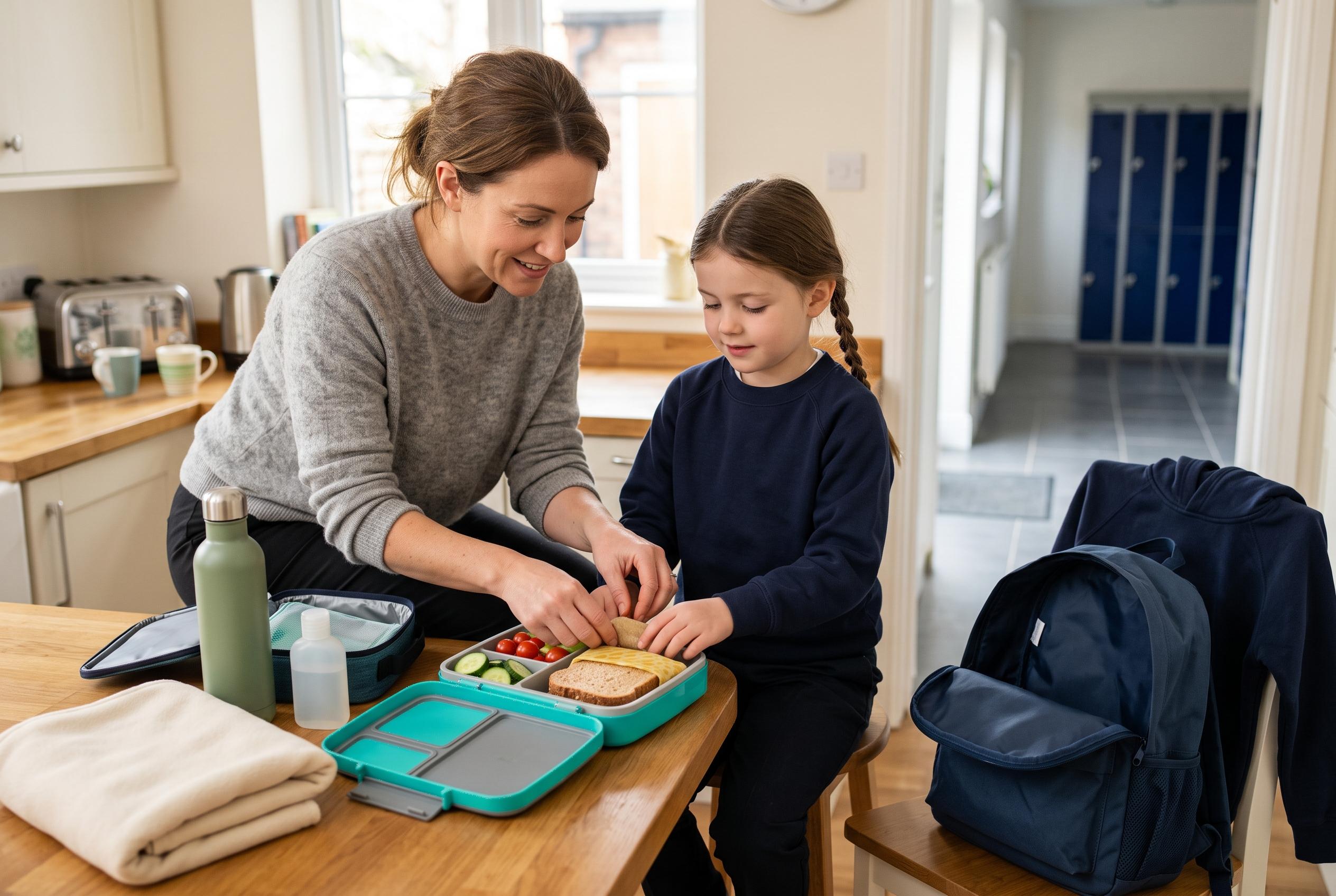
Returning to school usually works best when the plan is gradual and individualised. Guidance from gastrointestinal support groups and children’s hospitals stresses the value of predictable routines, open communication with teachers, regular bathroom access, help with missed work and planning for lunches, sports and field trips. For some pupils in the United States, a 504 plan can formalise those adjustments and make it easier to accommodate symptoms without singling the child out.
Experts say the goal is not simply to endure school, but to help children reclaim the parts of life they have missed: friends, playground time, clubs and class. The Children’s Hospital of Orange County says multidisciplinary gastrointestinal care can help young patients move towards normal life, while CHOP’s teams note that mental health support also addresses anxiety, mood and behaviour that can interfere with attendance and treatment. If a child becomes more fearful, angry or withdrawn, psychologists say that is a sign extra support may be needed.
Disclaimer: This content is for informational purposes only and is not intended to be a substitute for professional medical judgment, advice, diagnosis, or treatment.