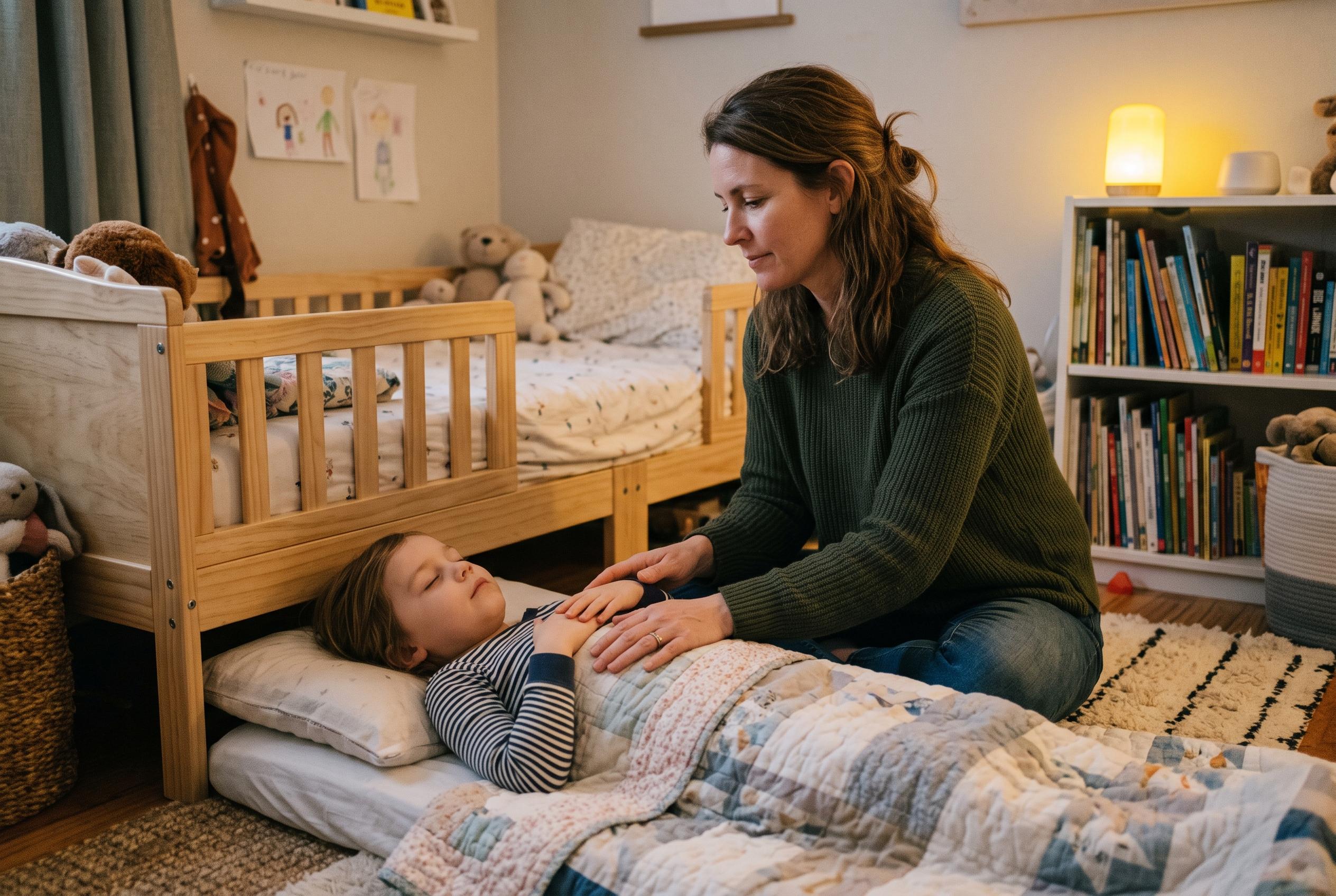

Occupational therapists highlight the importance of understanding sensory processing issues in children for improving bedtime routines, emphasising personalised, calming strategies over quick fixes like weighted blankets.
When bedtime turns into a nightly battle, the problem is not always one of discipline or routine. In Fort Myers, an occupational therapist argues that for some children the real issue is sensory processing: the nervous system may still be working hard when the rest of the house is trying to wind down. The Sleep Foundation says children with sensory differences can struggle to move from alertness to calm because bedtime layers on multiple demands at once, from the texture of pyjamas to the stillness of the room. The result is a child who seems unwilling to sleep but may actually be overwhelmed by the conditions required to do it.
That distinction matters because sensory-related sleep trouble can look very different from ordinary stalling. A child who seeks movement may rock, kick, roll or ask for deep pressure, while another may react strongly to seams, tags, light, noise or temperature. The Sleep Foundation and the American Academy of Pediatrics both note that a predictable, calming routine and a sleep-friendly environment can help, especially for children with autism or sensory sensitivities. Consistency, reduced noise and light, and sensory-friendly pre-bed activities can all lower the burden on a child’s system before lights out.
Weighted blankets are often suggested as a soothing option, but they are not a simple fix. The Consumer Product Safety Commission and the American Academy of Pediatrics advise that weighted blankets and weighted sleep products should never be used for infants, and the warning remains clear that babies should sleep on a separate, flat, firm surface without loose bedding. For older children, the Sleep Foundation and the CDC say weighted blankets may help some children feel calm, but they should be chosen carefully, used only when a child can move them independently, and avoided in children with certain medical issues unless a clinician agrees they are appropriate. The research is also mixed: a 2014 study in Pediatrics found no objective sleep benefit for autistic children, even though many families said they liked the blankets.
Occupational therapists say the most helpful changes often begin before bedtime itself. Heavy work such as carrying laundry, pushing, climbing or animal walks can give the body organising input earlier in the evening, while the final hour should be quieter, cooler and more predictable. For families whose nights have become a source of stress, the practical question is not simply how to get a child into bed, but what that child’s nervous system is asking for before sleep can happen.
Disclaimer: This content is for informational purposes only and is not intended to be a substitute for professional medical judgment, advice, diagnosis, or treatment.