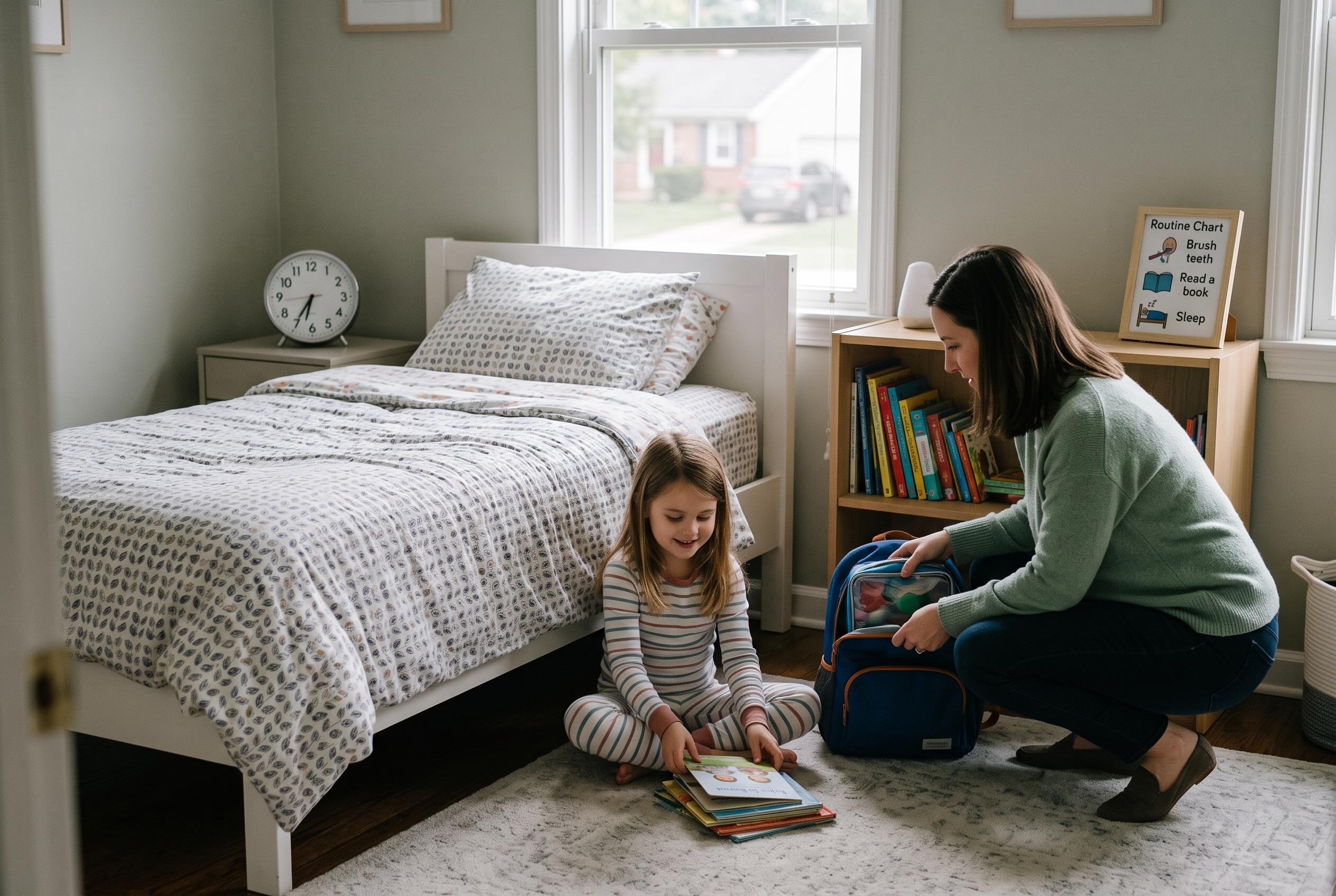

Psychologists and health experts emphasise that preparing children for the new school year starts with managing parental anxiety and establishing healthy routines, including sleep, routines, and limited screen time, to ease children’s transition.
As the new school year approaches, psychologists say the most useful preparation may begin with parents themselves. Arina Maktaz, speaking to the Donetsk News Agency, said adults need to keep their own anxiety in check and avoid swinging between overprotectiveness and harshness when helping a child get ready for school.
For children starting first grade, Maktaz recommends talking about school in encouraging terms while also being honest that there will be challenges. She also advises families to visit the school building in advance where possible, so the child can become familiar with the setting before lessons begin. A gradual return to a regular sleep schedule is another key step, she said.
Other experts make similar points. Cleveland Clinic says a smoother start can come from resetting sleep patterns, practising morning routines, discussing worries about the return to class and shopping for supplies together. Johns Hopkins Medicine adds that visiting the school beforehand, arranging playdates with familiar peers and rewarding independent behaviour can help reduce back-to-school anxiety, while persistent distress may warrant professional help.
Maktaz also urged families to switch off gadgets for the hour before bed and replace screens with reading, board games or conversation. For older pupils, she suggested handing over more responsibility for packing a school bag and other day-to-day tasks, and involving them in decisions about spending on school supplies so they can think about needs, priorities and savings.
Parents, she said, should avoid comparing a child with classmates or siblings and should accept that strengths often vary from subject to subject. Health experts likewise stress that healthy routines, enough sleep, physical activity and limited screen time all support children’s success at school, while simple breathing exercises can help adults manage their own nerves.
Disclaimer: This content is for informational purposes only and is not intended to be a substitute for professional medical judgment, advice, diagnosis, or treatment.