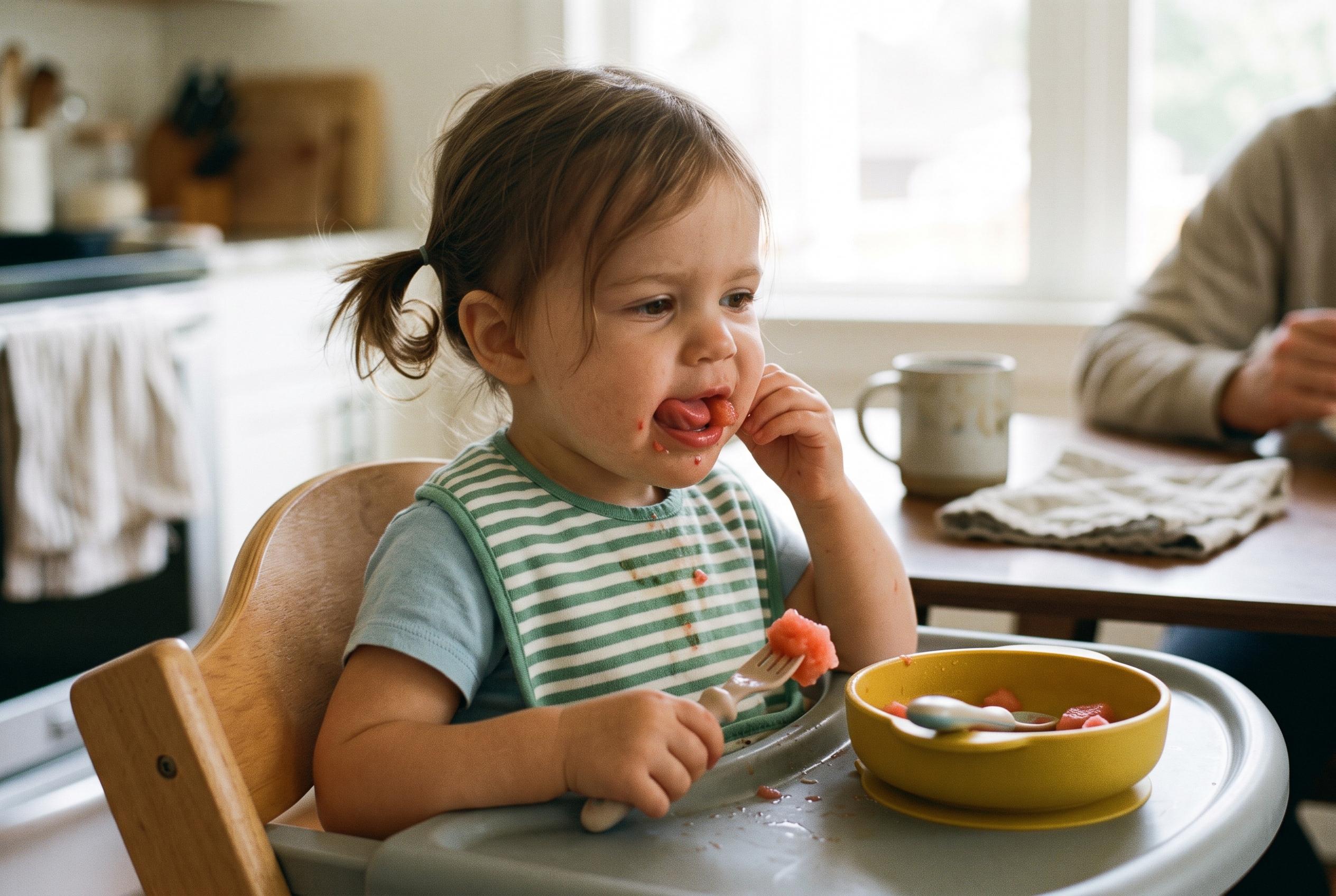

Understanding and supporting tongue lateralisation in children can improve chewing efficiency, prevent future speech issues, and address feeding challenges early , a vital but often overlooked aspect of child development.
Tongue lateralisation is one of those feeding skills parents rarely hear about, yet it sits at the heart of how children learn to chew safely and efficiently. In simple terms, it is the tongue’s ability to move from side to side inside the mouth. According to the London Speech and Feeding Practice, that movement helps children shift food on to the back teeth, keep it in place while chewing, gather scattered pieces and shape it into a swallowable bolus. Without it, children may appear to be selective eaters when they are really struggling with the mechanics of eating.
The skill begins to emerge in infancy, usually as babies start encountering more textured foods in the second half of the first year. Research published in the British Journal of Nutrition describes chewing as a complex developmental process in which tongue, lip and jaw movements gradually become more coordinated during early childhood. The tongue does not work alone: it depends on stable jaw movement, cheek control and good trunk support, which is why feeding development is tied to wider motor development.
When tongue lateralisation is weak or delayed, the signs often show up at mealtimes. Children may chew only with their front teeth, pocket food in their cheeks, gag on lumps or swallow before food has been properly broken down. They may also rely on sucking or mashing instead of real chewing. Several of the related guides note that this can look like fussiness, but in some children it is a sign that they have not yet learned how to manage more demanding textures.
The good news is that the tongue usually learns through practice. Practical feeding advice from child health and speech resources suggests offering safe, resistive foods that encourage side-to-side movement, such as firm fruit and vegetable sticks or other appropriately prepared textures. In some cases, placing food at the side of the mouth can help prompt the chewing pattern. Some therapists also use whole-body movement or facial imitation exercises to support oral motor skills, although the evidence and methods vary, and children with more complex needs may require a fuller assessment.
Specialists say certain children are more likely to need help, including those who spent a long time on purées, were born prematurely, have low muscle tone, developmental delay, sensory differences or a history of tube feeding. The London Speech and Feeding Practice warns that many families are told a child will simply outgrow the problem, but inefficient chewing can persist without support. Early assessment can clarify whether the issue is tongue movement, jaw stability, sensory processing or something else, and it may also help explain later speech difficulties in some children.
Disclaimer: This content is for informational purposes only and is not intended to be a substitute for professional medical judgment, advice, diagnosis, or treatment.