

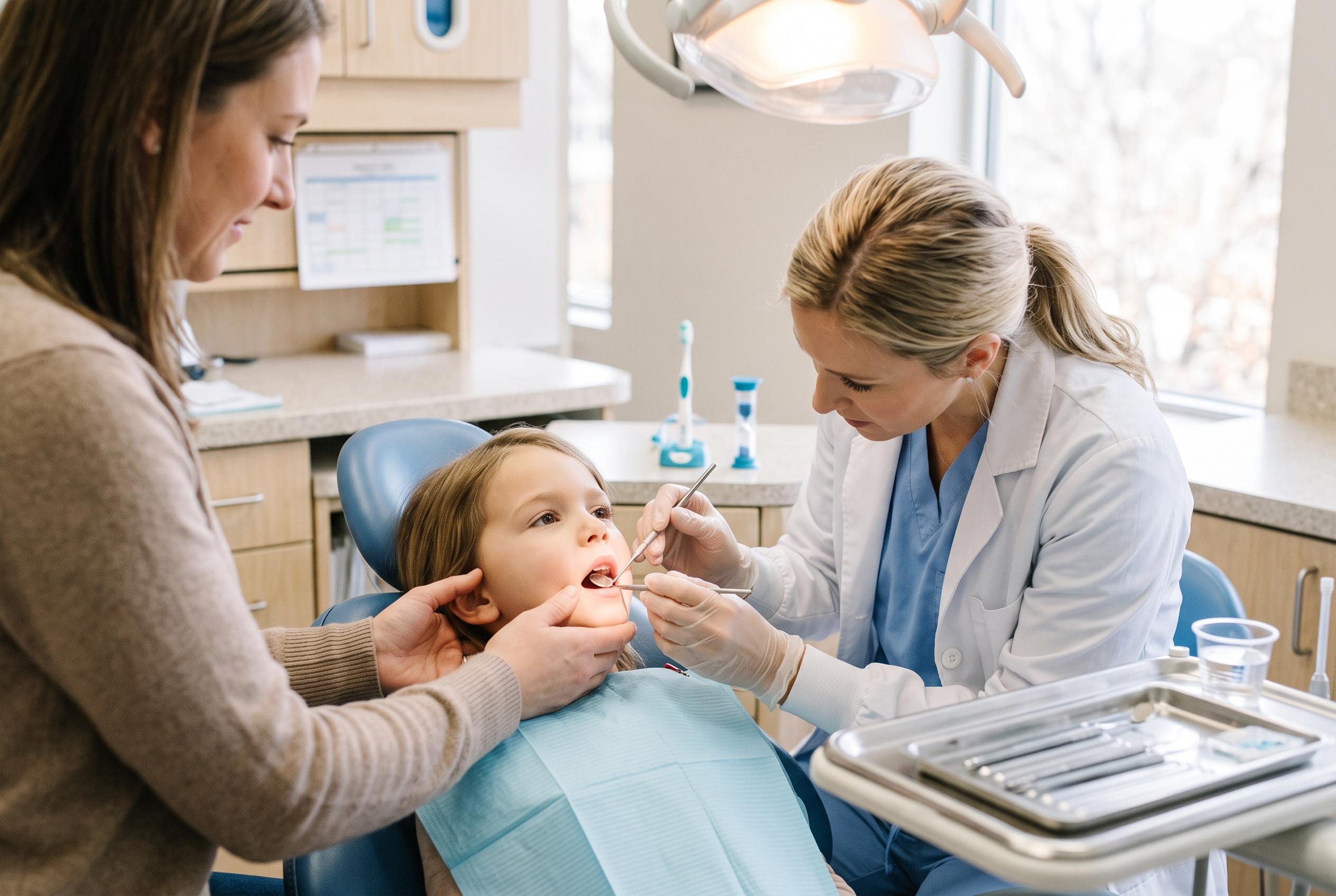

Emerging guidance underscores the significance of individual development patterns and early orthodontic assessments in children’s dental health, emphasising a cautious approach to baby tooth loss and the benefits of routine dental care.
Most children start to lose their baby teeth at around six years old, and the process usually continues until the early teen years. According to the Mayo Clinic, the first teeth to go are typically the lower central incisors, followed by the upper front teeth and then the side teeth, with the full transition to permanent teeth usually completed by about age 13. That broad timetable is echoed by Cleveland Clinic, Healthline and WebMD, which all note that the timing can vary from child to child.
That variation is important for parents to keep in mind. A loose tooth at four or five is not automatically a problem, and some children do not begin shedding teeth until a little later than average. What matters more is the overall pattern of development, the condition of the surrounding gums and whether the permanent tooth beneath is moving into place as expected. Baby teeth are not just placeholders; they help children chew, support speech and hold space for the adult teeth that follow.
Dentists also point out that the order of tooth loss generally mirrors the order in which the teeth first appeared. That is why the bottom front teeth usually come out first, before the upper front teeth and the teeth further back in the mouth. Cleveland Clinic’s eruption charts and the Mayo Clinic’s guidance both show that there is often a pause between the early front-tooth phase and the later loss of molars and canines, which can make the process seem uneven even when it is progressing normally.
There are a few situations, however, that deserve closer attention. If a baby tooth falls out early because of decay or injury, the neighbouring teeth can drift into the gap and make it harder for the permanent tooth to come through in the right position. In those cases, a dentist may recommend monitoring the space or using a space maintainer. By contrast, if a baby tooth is still firmly in place well past the usual age, or if an adult tooth appears to be erupting behind it, a dental examination can help rule out crowding, missing teeth or an unusual growth pattern.
At home, parents are usually best off taking a low-intervention approach. A loose tooth can be gently wiggled, but pulling it before it is ready may cause unnecessary pain and bleeding. Crunchy foods can sometimes help it come out on its own. Once it does, a little bleeding is normal and usually stops with pressure from clean gauze or a damp cloth. Dentists also advise keeping up with brushing as the new tooth comes in, even if it looks slightly more yellow or has bumpy edges at first.
The later school years are also a sensible time for an orthodontic check. The American Association of Orthodontists recommends that children be seen by an orthodontist by age 7, when a mix of baby and permanent teeth can reveal bite problems early. For families, that makes routine dental visits useful not only for cleaning and cavity prevention, but also for spotting whether tooth loss is following a healthy path.
Disclaimer: This content is for informational purposes only and is not intended to be a substitute for professional medical judgment, advice, diagnosis, or treatment.



