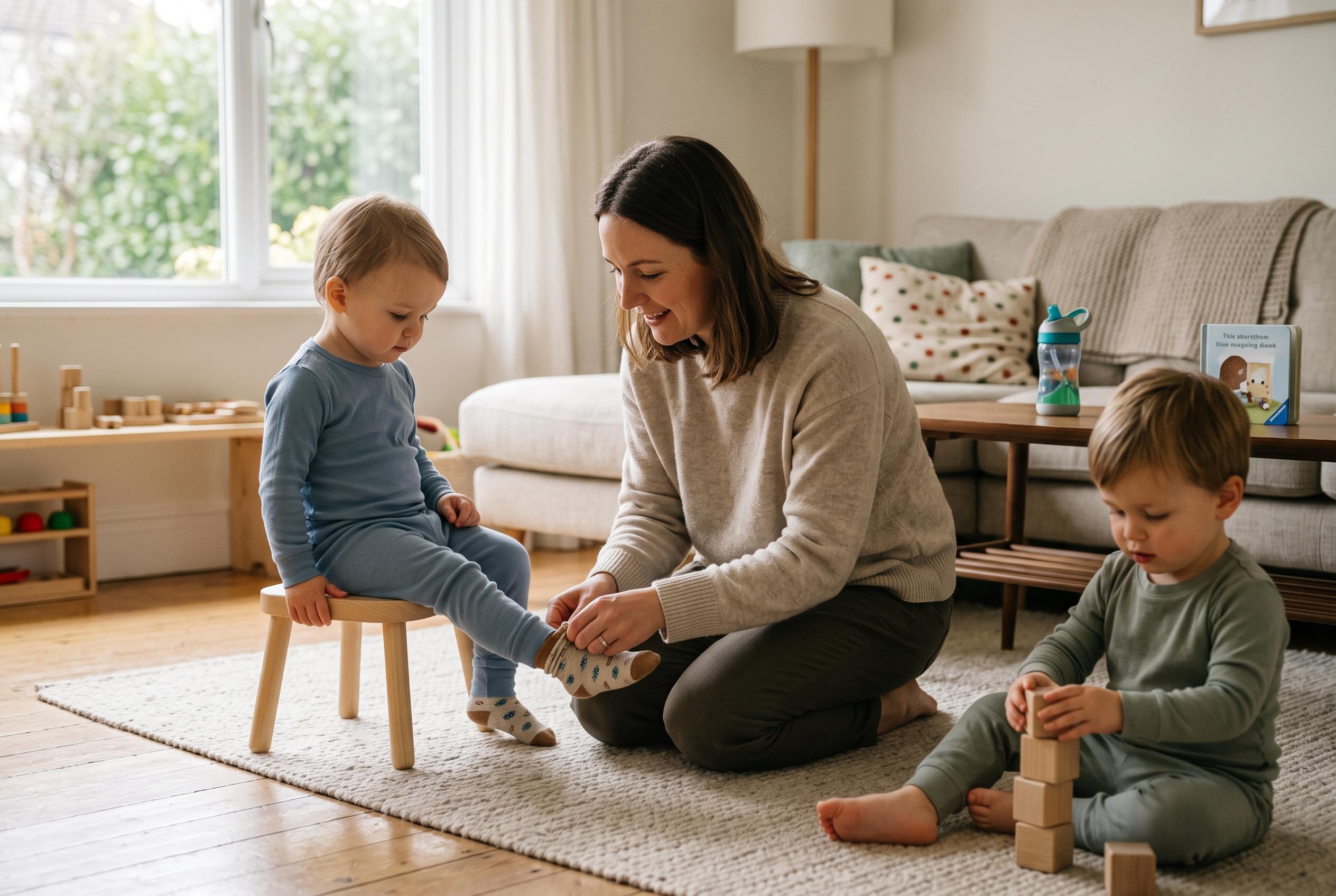

Experts emphasise that structured, simple routines and patient responses are key to navigating the demanding early years, ensuring families can thrive amid daily challenges.
Life with a child aged one to three unfolds in a rhythm of sleep, meals, movement and frequent small crises. Parents quickly learn that the aim is not a flawless day, but a workable one: a structure that helps a child feel secure while leaving enough room for the household to function. As the lead article on the subject argues, this stage is less about control than about building a dependable framework around a child who is growing fast and still needs close support.
That framework matters because toddlers change quickly. According to Aptaclub, children between two and three years old make rapid gains in movement, language and thinking, while babelli notes that routines reduce stress for both children and adults by making the day more predictable. The result is a daily life that is part planning, part improvisation. Sleep, meals and transitions tend to work best when they happen at roughly the same times, even if the exact schedule shifts with illness, outings or exhaustion.
Morning is usually the first test. Parents who prepare the night before often have a calmer start, whether that means laying out clothes, packing a bag or deciding breakfast in advance. The lead article suggests simple visual routines, such as picture cards or a repeated “start of day” ritual, and babelli likewise stresses the value of consistency. For toddlers, fewer choices usually mean fewer battles, especially when the child is already tired or hungry.
Food is another area where simplicity helps. Mealomat advises that after the first birthday, most toddlers can eat broadly the same foods as the rest of the family, with sensible limits around salt, sugar and choking risks such as whole nuts. The lead article echoes that point by favouring familiar, easy-to-handle foods and shared mealtimes without screens or pressure. For selective eaters, the most effective approach is often calm repetition rather than negotiation: offer the food, keep the atmosphere neutral and avoid turning the table into a power struggle.
Sleep remains one of the biggest pressure points. The lead article describes how toddlers typically need between 11 and 14 hours of sleep in total, including naps, and says setbacks are common during development spurts, illness or major changes such as starting nursery. The Old Mom Blog also notes that sleep patterns can regress temporarily. What helps most, according to both pieces, is a steady bedtime sequence, a darkened room and the refusal to add new habits in the middle of a difficult phase.
Behaviour can be just as draining as sleep. The lead article makes the case that tantrums are not proof of bad parenting but a normal sign of a child still learning to manage frustration. Calm adult responses, clear limits and physical presence when welcome tend to work better than shouting or punishment in the heat of the moment. That same logic applies to independence more broadly: toddlers want to do things themselves, but they still need help, time and patience while they are learning.
Play and movement also shape the day. Papa.de argues that toddlers do not need expensive plans or complicated outings; simple activities, like a park visit, a playground trip or a picnic, are often enough. Montessori Helden makes a similar point, suggesting hands-on tasks that build concentration and confidence, such as pouring, sorting or lacing. The lead article places the same emphasis on practical, sensory play at home, from boxes and water to crayons and cushions. What matters most is not the activity itself, but the adult attention behind it.
Family life under this pressure can feel relentless, which is why the article’s wider message is so important: the toddler years are demanding because they are intense, not because parents are failing. Good-enough parenting, predictable rituals and realistic expectations do more for most families than perfection ever will. For many households, the real achievement is simply getting through the day with some patience intact and enough warmth left for the next one.
Disclaimer: This content is for informational purposes only and is not intended to be a substitute for professional medical judgment, advice, diagnosis, or treatment.