

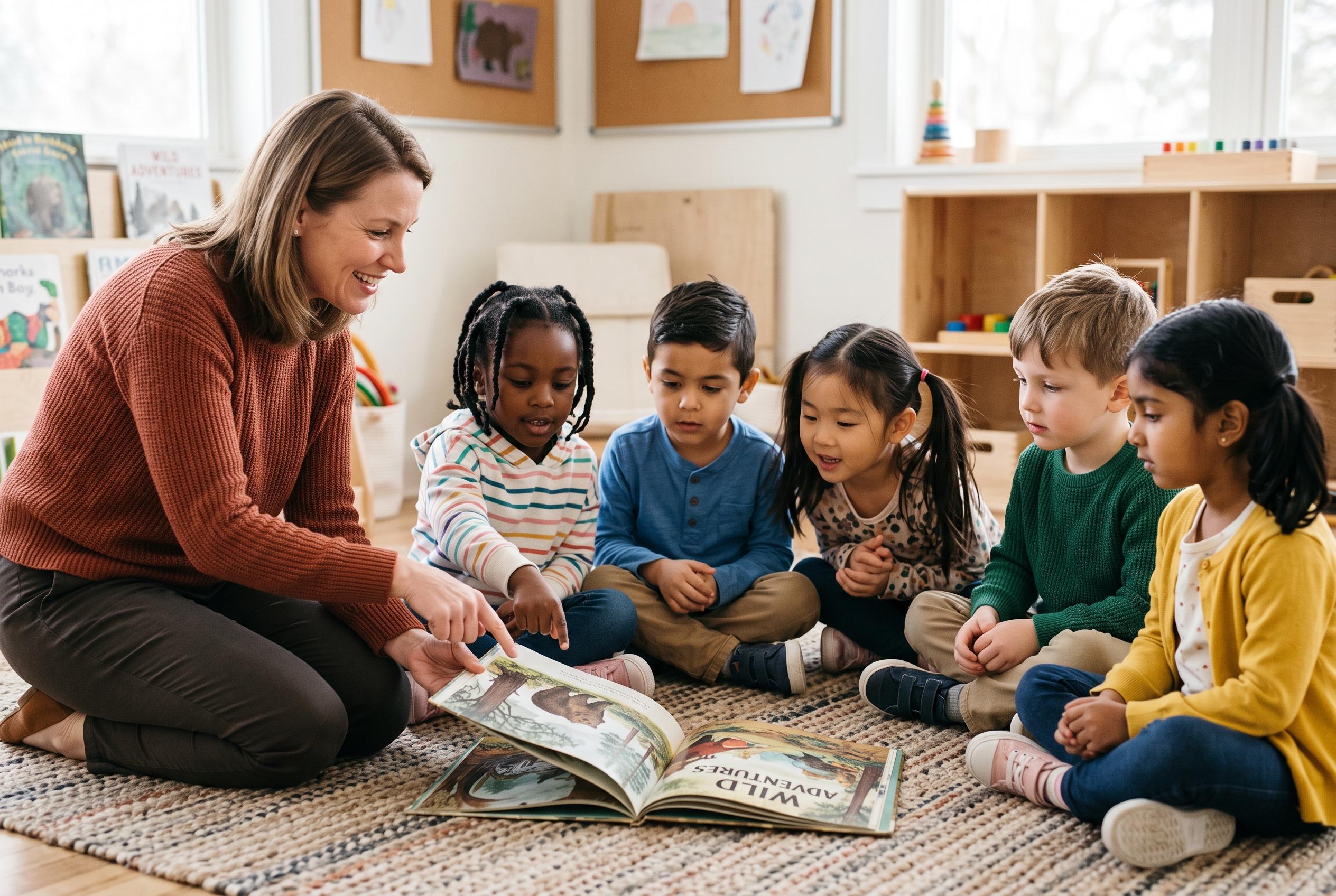

Recent research underscores the significance of balanced, consistent, and literacy-focused kindergarten programmes in shaping children’s educational journeys and long-term outcomes.
Choosing a kindergarten programme is one of the earliest education decisions many parents make, and it can shape how children feel about learning for years to come. While no setting is perfect, a good programme should do more than keep children occupied: it should help them build confidence, learn to cooperate and begin developing the habits they will need in school. The Business Mole article stresses those basics, while the Victorian Government says early education can also support independence, friendships and self-regulation.
One of the clearest signs of quality is balance. A strong kindergarten should combine structured learning with open-ended play, giving children space to explore, solve problems and work with others. The importance of that mix is backed up by early-years guidance from the Victorian Government and by research summaries from Nemours Children’s Health, which say children are better placed to succeed when they arrive at kindergarten socially, emotionally and developmentally prepared.
Parents should also look closely at language and early literacy. The Business Mole piece recommends programmes with reading and writing activities, and that advice is echoed by the AEFP Live Handbook, which says preschool can improve early language, literacy and maths skills. Nemours adds that children who arrive with foundational literacy are more likely to meet early reading goals. In practice, that means choosing a setting that introduces letters, stories and writing in age-appropriate ways rather than rushing formal lessons.
Attendance and consistency matter too. The Victorian Government notes that regular participation helps children form stronger relationships and supports learning, while the CDC has said early childhood education can help children overcome disadvantage and improve long-term educational and health outcomes. Taken together, the evidence suggests parents should look beyond reputation alone and consider whether a programme offers steady routines, warm relationships and enough time for children to grow at their own pace.
Disclaimer: This content is for informational purposes only and is not intended to be a substitute for professional medical judgment, advice, diagnosis, or treatment.



