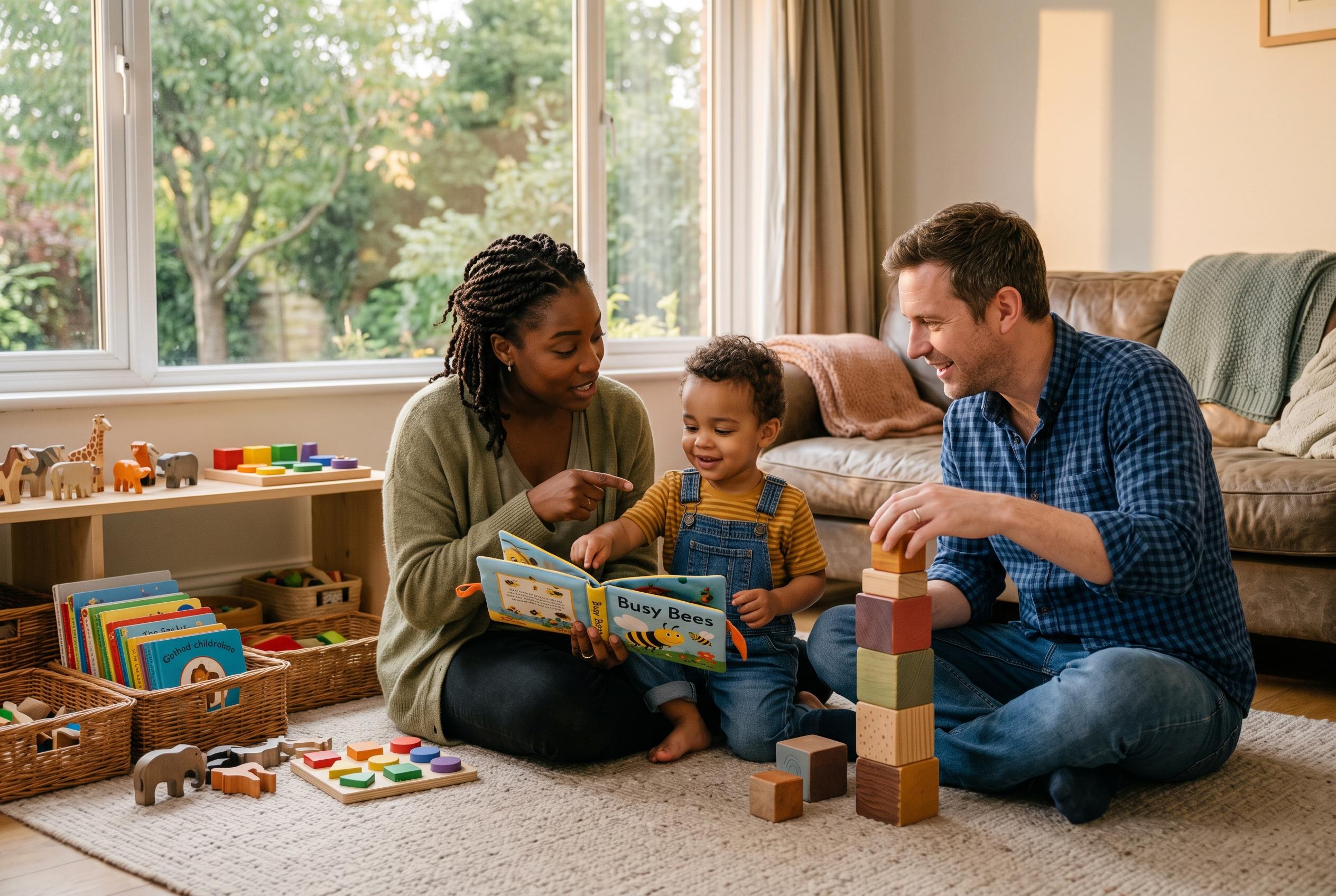

Recent research underscores how high-quality early experiences, from responsive care and play to social interactions, are pivotal for a child’s long-term health, education, and resilience, calling for increased investment in early childhood programmes worldwide.
Early childhood is a brief but decisive stage in life, shaping how children grow, think, relate and learn. In the first years after birth, development advances rapidly across language, emotional control, social skills and physical growth, making this period foundational for everything that follows. Harvard’s Centre on the Developing Child says brain architecture is built from the bottom up, with early experiences influencing future learning, behaviour and health. The point is not only that young children change quickly, but that the quality of their earliest environment matters enormously.
That is why experts increasingly describe responsive care, adequate nutrition, strong adult support, safety and security, and opportunities to play and learn as the basic pillars of healthy development. Harvard also stresses the importance of “serve and return” interactions, the back-and-forth exchanges between a child and a caring adult that help build the brain’s wiring. When those relationships are absent or disrupted, prolonged stress can harm development. The centre warns that toxic stress, if left unchecked, can interfere with brain architecture and other biological systems.
The World Health Organisation defines early childhood development as the physical, emotional, cognitive, social and behavioural growth of children from birth to about age eight. It says these years carry major neurological change and have long-term effects on school readiness, literacy, employment and adult health. Children who experience effective early learning environments are also more likely to do better in school, build stronger social skills and show greater emotional resilience, the agency says.
Yet misunderstandings about early learning still shape the choices many families make. One common myth is that play is a break from learning. In reality, play is one of the main ways young children practise problem-solving, language, cooperation and imagination. Another misconception is that childcare is merely supervision. High-quality early education, by contrast, offers a safe and stimulating setting in which children can gain confidence, independence and curiosity through guided activities and supportive relationships.
Early learning is also sometimes reduced to fixed lessons, when child-led approaches are often more effective than they are given credit for. Following a child’s interests does not mean abandoning structure; it means using those interests to create richer learning opportunities. Social development is another area that is often underestimated. Even very young children begin learning how to share, take turns, read emotions and settle conflicts through daily interaction with adults and peers.
The case for investing early is strengthened by research that links high-quality programmes with strong returns over time. The article cites work associated with James Heckman, the University of Chicago economist, which has found that well-designed early childhood programmes can produce substantial long-term gains. In a world shaped by poverty, conflict, climate shocks and health emergencies, the argument goes beyond education policy. It is about protecting a sensitive stage of human development and giving children the best chance to survive and thrive.
Disclaimer: This content is for informational purposes only and is not intended to be a substitute for professional medical judgment, advice, diagnosis, or treatment.