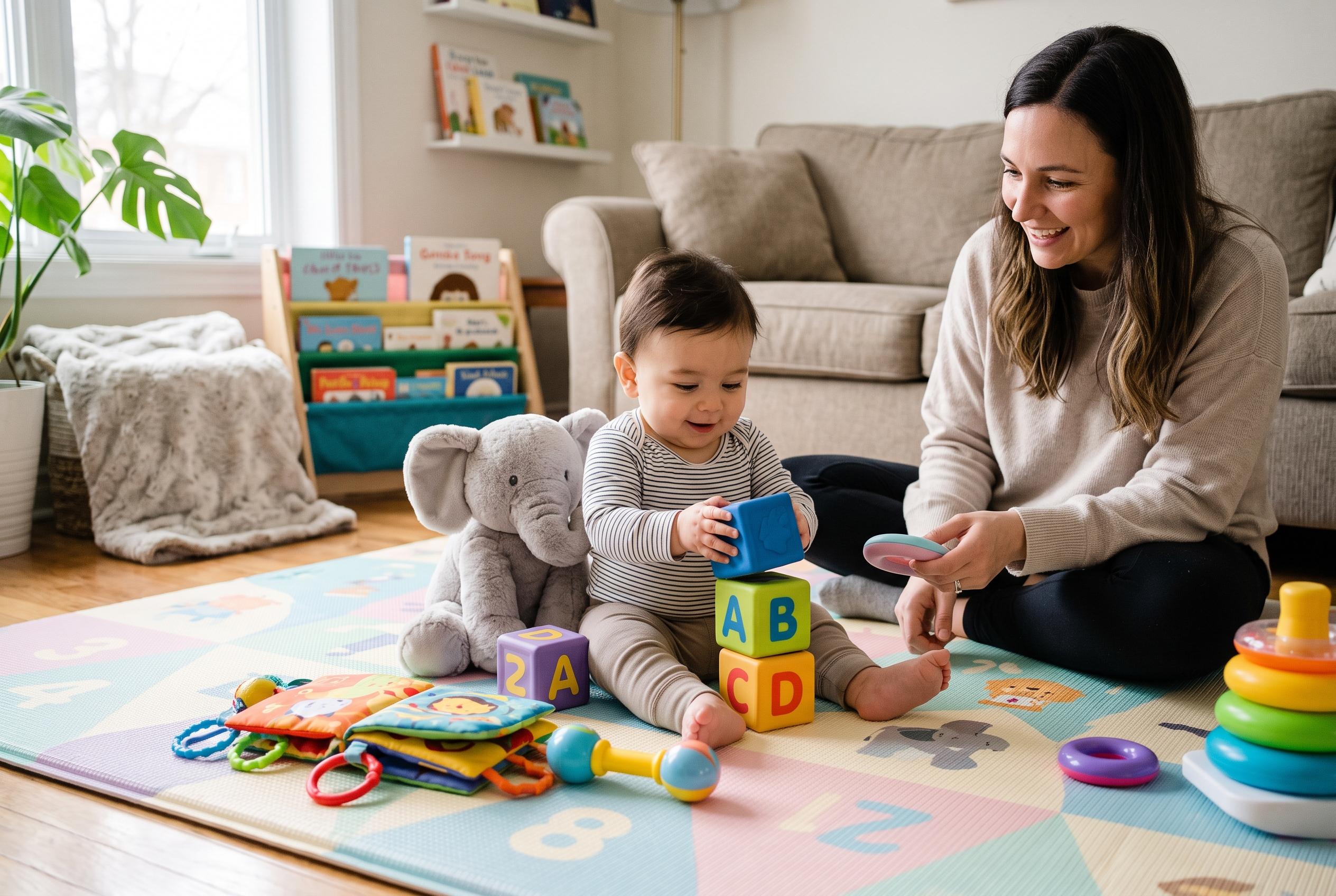

Emerging research underscores the importance of play and gentle practice in helping babies master sitting skills, emphasizing gradual progress and physical stability over early achievement.
Learning to sit is one of the early milestones that opens up a baby’s world. Once infants can steady their heads and trunks, they can look around more easily, play with toys and begin to use both hands with greater purpose. Paediatric therapy guidance and child health resources describe sitting as a skill built over time, rather than a single moment of achievement, with head control, trunk strength and balance all working together.
Development typically starts with head and neck control and progresses towards supported sitting before babies are ready to balance on their own. HealthyChildren.org says tummy time helps strengthen the muscles needed for that progression, while other therapy resources note that babies often move through stages such as supported sitting and prop sitting before they can stay upright without help.
Physiotherapy material on infant sitting development says balance is not just about staying still. As babies reach for toys or turn to the side, they learn to make small anticipatory adjustments that help prevent them from toppling over. That reaching-and-recovering pattern is an important part of building postural control, the underlying ability to keep the body stable while moving the arms and head.
That is why play-based practice matters. Resources from paediatric therapists recommend activities such as tummy time on a wedge or therapy ball, supported sitting on a ball or disc and reaching for objects in different positions. These exercises are meant to strengthen the trunk, improve balance reactions and encourage hand-eye coordination, not to rush a baby into sitting before they are ready.
Parents are advised to give babies regular chances to move, explore and vary positions throughout the day. Trunk stability is a foundation for later skills such as rolling, crawling, standing and walking, so the goal is steady practice, not early perfection. If a child seems to be lagging behind expected progress or loses skills they once had, paediatric physical therapists and child health groups advise speaking with a clinician for assessment and guidance.
Disclaimer: This content is for informational purposes only and is not intended to be a substitute for professional medical judgment, advice, diagnosis, or treatment.