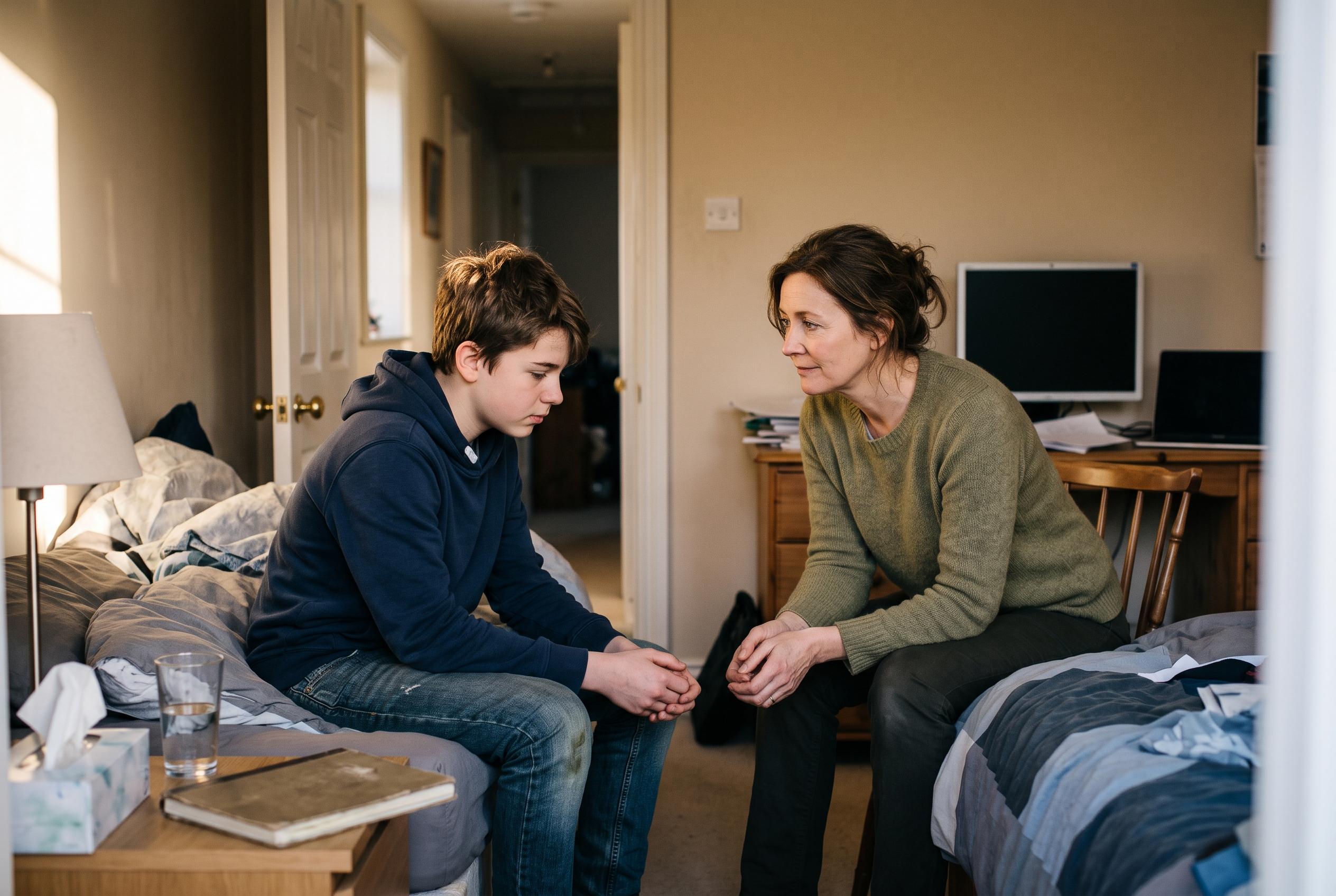

As mental health issues persist among adolescents, experts emphasise recognising warning signs early and engaging in open conversations to support young people’s wellbeing before crises emerge.
Parents and carers are often the first to notice when a teenager is not quite themselves, and small changes can sometimes point to a deeper mental health problem. According to the Centres for Disease Control and Prevention, poor mental health remains a major issue among adolescents: in 2023, 40% of high school students said they felt persistently sad or hopeless, and 20% seriously considered suicide. The agency says strong family and school relationships can help protect young people and support healthy development.
Warning signs can show up in everyday routines. HealthyChildren.org, the American Academy of Pediatrics’ parent guidance site, says to pay attention to marked changes in sleep, eating habits or weight, along with a loss of interest in hobbies, friends or family life. Trouble at school can also be a clue, especially if a teenager who once managed classes well starts falling behind or disengaging. The Mayo Clinic notes that teen depression can involve ongoing sadness, irritability, tiredness and, in some cases, thoughts of death or suicide.
Specialists say the timing and persistence of these changes matter. The Substance Abuse and Mental Health Services Administration says mood swings, irritability, hopelessness and withdrawal from others are signs that someone may need help, especially if they last for two weeks or more and begin to interfere with daily life. Mental Health America advises parents to look for patterns rather than isolated bad days, since adolescence naturally includes some emotional ups and downs.
If something feels off, experts encourage adults to start a calm, non-judgemental conversation rather than waiting for a crisis. Mental Health America recommends choosing a good moment, speaking plainly and letting the teenager talk without rushing to solve everything at once. If a young person opens up about sadness, anxiety or self-harm, the safest next step is to seek professional support promptly. Mental health concerns in teenagers are common, but they are also treatable, and early attention can make a meaningful difference.
Disclaimer: This content is for informational purposes only and is not intended to be a substitute for professional medical judgment, advice, diagnosis, or treatment.