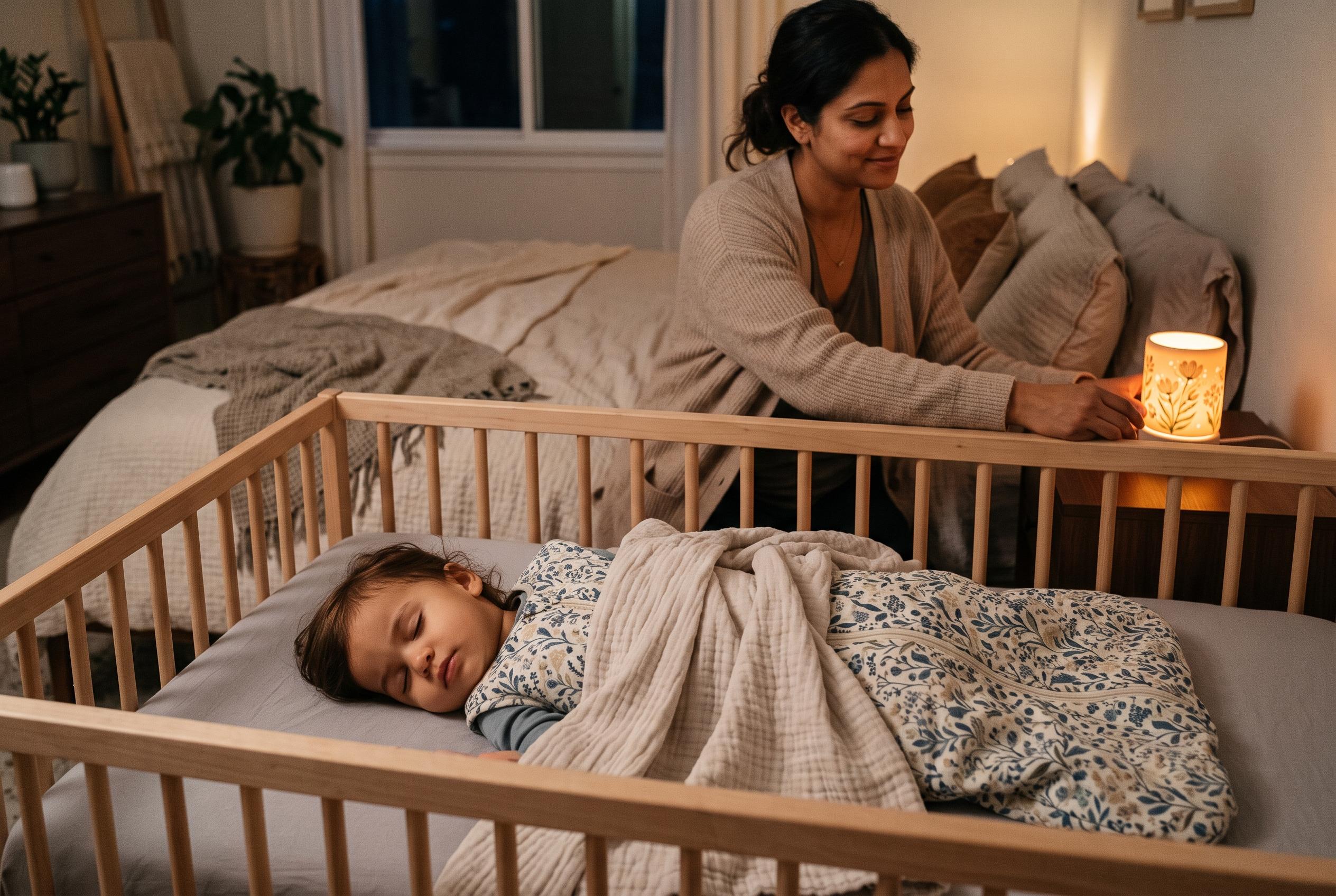

As sleep training methods multiply and evolve, parents are tailoring routines to better suit their babies’ temperaments, creating a more personalised approach amid ongoing debates over best practices.
For many parents, the first attempts at getting a baby to sleep independently can feel far more difficult than expected. The broad idea behind sleep training is simple: helping a child learn to fall asleep with less help from a caregiver. But the methods vary widely, from gentle routines with frequent reassurance to approaches that give a baby more space to settle alone, and what works best often depends on the child and the household. According to Babylist, the Sleep Foundation and Moms Magazine, the most common approaches include no-cry routines, the chair method, graduated check-ins and full extinction, often known as cry-it-out.
Most experts say families can usually begin considering sleep training once a baby is developmentally ready, often somewhere around 4 to 6 months, when feeding and growth are on track. The exact timing matters less than whether the approach fits the baby’s needs and the parents’ comfort level. As the Sleep Foundation notes, there is no single correct method, and consistency is usually more important than the brand name of the technique itself.
Gentle methods typically focus on a predictable bedtime routine: dim lights, a bath, feeding, a book or song, then bed. If a baby cries, the parent may soothe them and put them back down while still awake. The chair method works in a similar spirit, but with less direct contact: a parent stays near the cot at first, then gradually moves farther away over time. These approaches can be easier for families who want to stay closely involved, but they may also take longer to work.
By contrast, cry-it-out, or extinction, asks parents to complete the bedtime routine and then leave the room, allowing the baby to settle without further intervention. Ferber-style methods, also called graduated extinction or check-and-console, soften that approach by adding brief, planned check-ins at increasing intervals. Healthline and the Sleep Foundation both describe these as structured options that can help some babies learn to fall asleep more quickly, though they are often the most debated because they involve more crying at the start.
What matters most is finding an approach the family can actually keep using. A method that suits one child may fail with another, and that does not mean anyone has done anything wrong. Parents also have to think about the wider sleeping setup: whether siblings or a partner are likely to be disturbed, whether the baby still shares a room, and how much night waking the household can manage. In practice, many families combine elements of different methods or change course as the baby’s temperament becomes clearer.
Disclaimer: This content is for informational purposes only and is not intended to be a substitute for professional medical judgment, advice, diagnosis, or treatment.