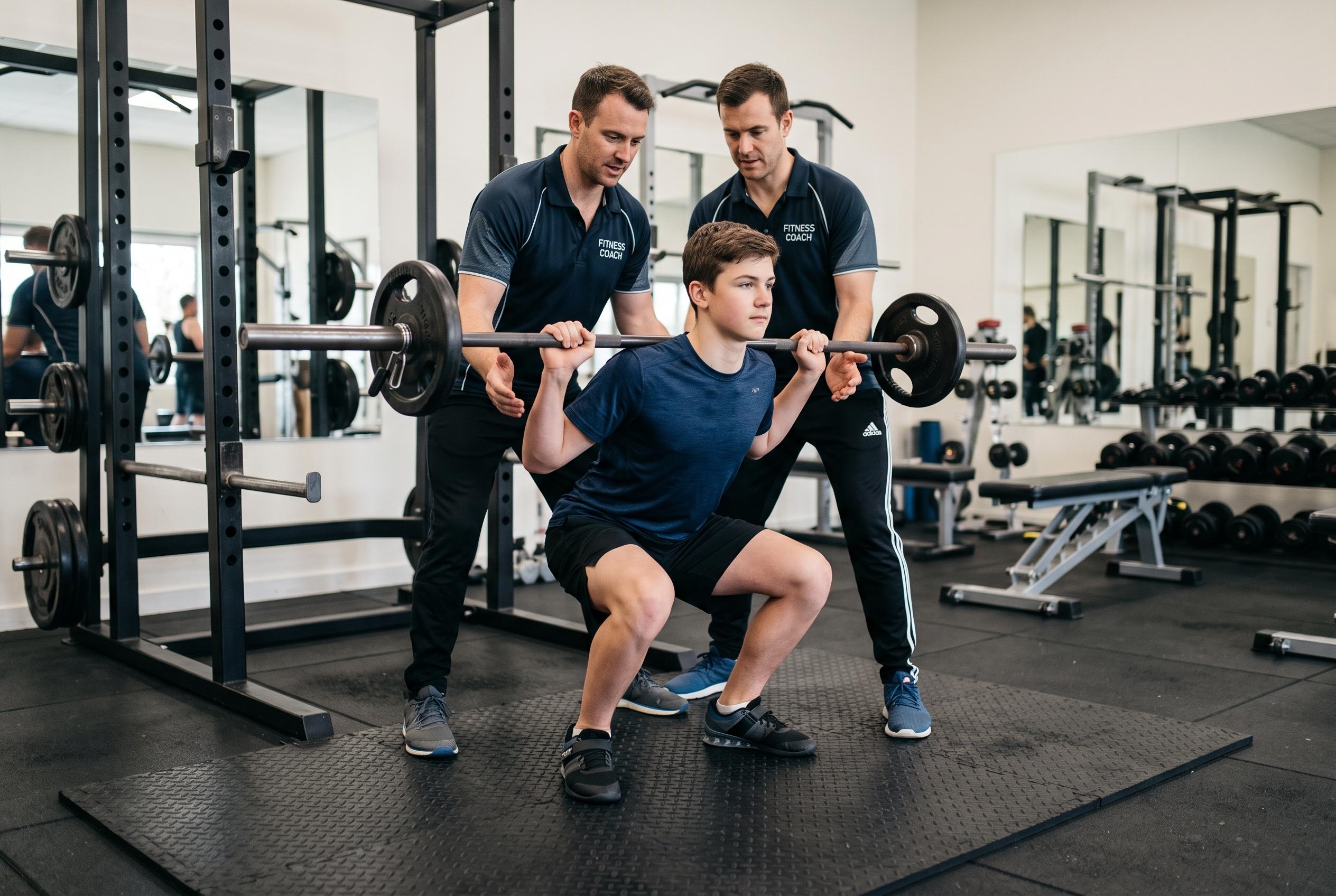

Expert advice emphasizes supervised, gradual strength training for teenagers, pinpointing the importance of proper technique and cautious programming to prevent injuries and promote long-term health.
Teen weight training can be safe and beneficial when it is supervised, gradual and matched to a young person’s stage of development. HealthChildren.org says broken bones make up only a small share of sports injuries overall, while growth-plate injuries are a particular concern in the teenage years. The National Institute of Arthritis and Musculoskeletal and Skin Diseases adds that growth plates are the most vulnerable part of a teenager’s skeleton, which is why correct technique, manageable loads and qualified coaching matter so much.
That concern is not a reason to avoid resistance work altogether. Mayo Clinic says growth plates are the softest and weakest sections of the skeleton, and injuries can come from a single accident or repeated stress over time. Seattle Children’s Hospital similarly notes that excessive load, poor form and repeated stress before the plates have fully hardened can lead to fractures or lasting damage. In practice, that means the biggest risks usually come from how training is done, not from lifting itself.
For most teenagers, the early benefits of strength training come from better coordination and movement control rather than dramatic muscle size. That makes basics such as squats, hip hinges, push-ups and rows a sensible starting point before any heavier work is added. A slower build-up also helps parents and coaches judge whether a young lifter is ready to progress, rather than pushing load simply because the weight room allows it.
The styles that deserve the most caution are those built around maximal effort. Heavy powerlifting, one-repetition maximum attempts and competitive bodybuilding can place substantial stress on developing joints and bones, while also demanding recovery and nutrition plans that may not suit adolescents. Youth injury guidance from the American Orthopaedic Society for Sports Medicine also points to overuse problems around tendon attachment sites, reinforcing the need for supervision and sensible programming.
Children’s Colorado says growth-plate injuries are a real issue for young athletes and notes they are more common in boys than in girls. That makes coaching and medical screening especially important for any teenager with a heart condition, seizure disorder or uncontrolled blood pressure, and it is one reason parents are urged to look for youth-specific strength coaches rather than adult-focused trainers. Done properly, resistance training can support confidence, bone health and long-term fitness; done badly, it can create avoidable injuries.
Disclaimer: This content is for informational purposes only and is not intended to be a substitute for professional medical judgment, advice, diagnosis, or treatment.