

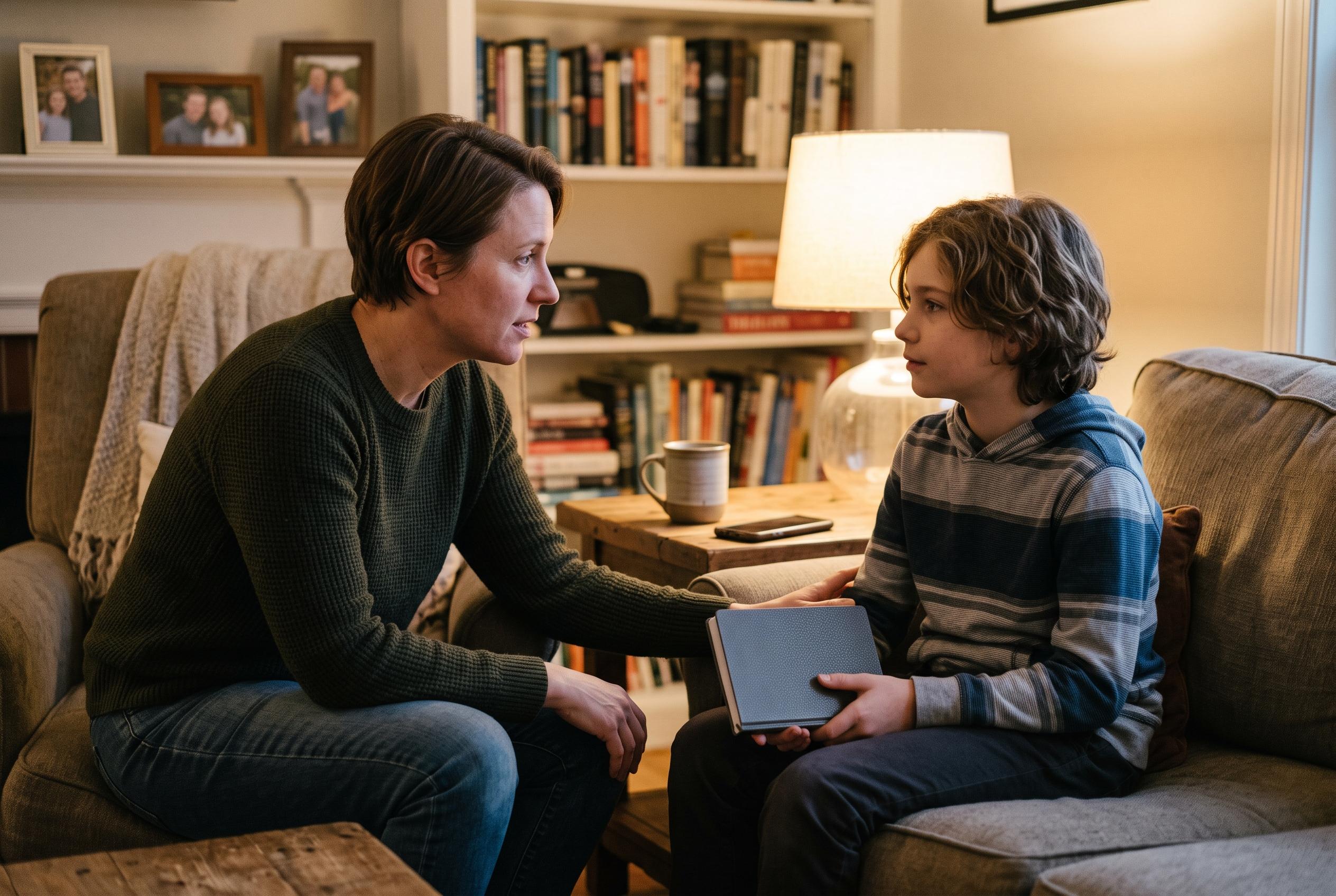

As suicide remains the second-leading cause of death among US youths, experts urge parents to initiate honest, age-appropriate talks about mental health, highlighting prevention through early engagement and community support.
September is National Suicide Prevention Month, a timely reminder for parents to make space for honest, age-appropriate conversations about mental health. In Fresno, KFSN reported that the message was tied to guidance from the chief clinical officer at Bend Health, who discussed how families can approach difficult topics without making children feel judged or pushed away.
The need for those conversations is underscored by recent federal data. The Centres for Disease Control and Prevention said suicide was the second-leading cause of death among people aged 10 to 24 in 2023, and later data showed it remained the second-leading cause of death for those aged 10 to 34 in 2024. The CDC said suicide accounted for 49,316 deaths in 2023, or roughly one death every 11 minutes, reflecting the scale of the public health challenge.
Public health experts say prevention is not only about crisis response but also about strengthening protective factors long before a child is in danger. The CDC has said strong family relationships, supportive communities and attention to experiences such as violence can lower risk, while its data on suicidal thoughts and behaviour shows that many people who die by suicide have not been diagnosed with a mental health condition. That makes routine check-ins especially important, because warning signs can be easy to miss.
For parents, the practical message is clear: talk early, listen carefully and ask direct questions if concern grows. The Action News report pointed viewers to crisis resources, including the National Suicide and Crisis Lifeline at 988 and 1-800-273-TALK, for anyone in emotional distress or thinking about suicide. Families seeking help for children can also turn to Bend Health’s online resources, but experts say the first and most important step often begins at home, with a conversation that shows a child they will be taken seriously.
Disclaimer: This content is for informational purposes only and is not intended to be a substitute for professional medical judgment, advice, diagnosis, or treatment.



