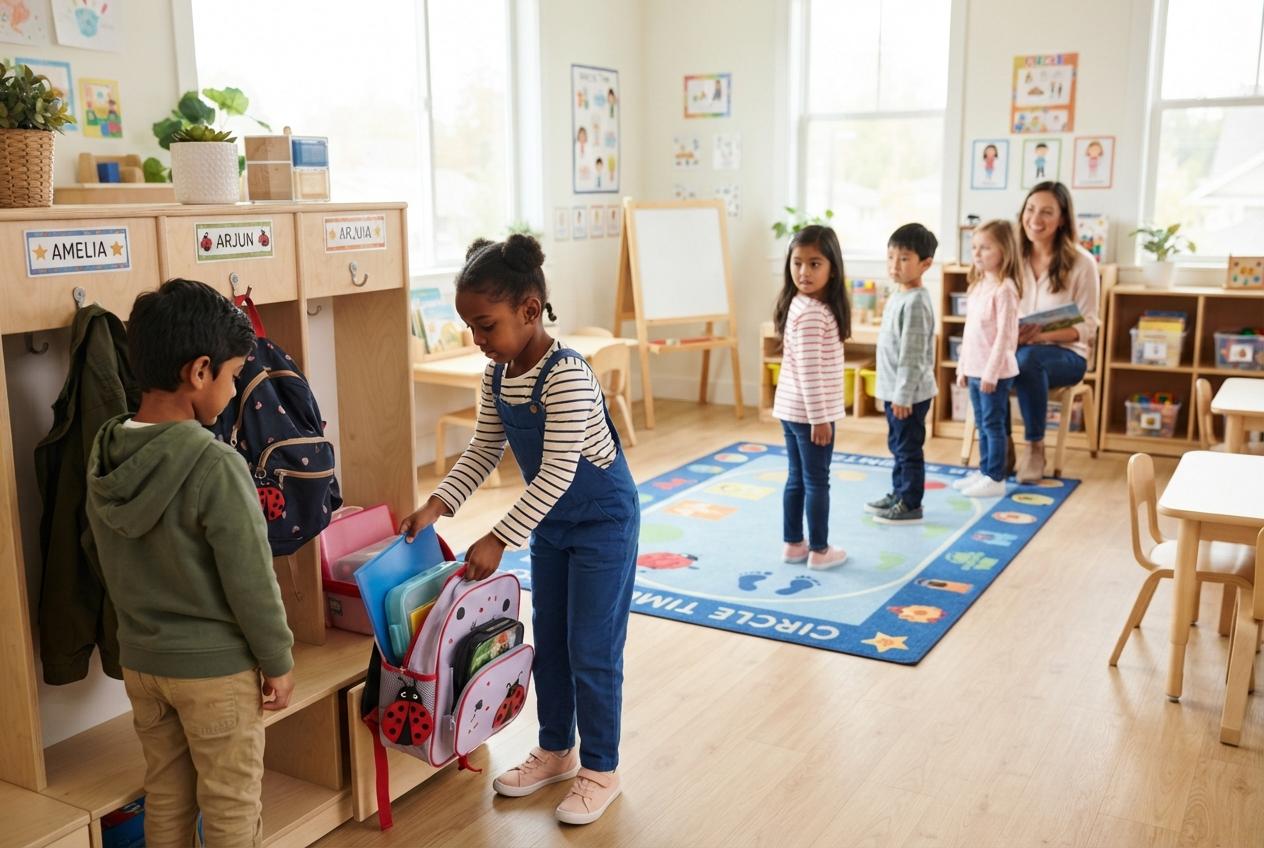

As children prepare to start school, experts emphasise the importance of independence, routines, emotional comfort, and social skills over academic perfection to ensure a smoother transition into the classroom.
As the first day of kindergarten approaches, parents often find that a simple readiness checklist can ease the move from home to school. The practical details matter, but so do confidence, routine and the ability to manage small challenges independently. School districts and early years guides consistently frame readiness as more than academic knowledge, pointing instead to self-care, communication, social comfort and basic fine motor skills. According to the Carlisle Area School District, for example, readiness covers everything from dressing and bathroom independence to following simple directions, sharing and using a pencil or scissors.
Independence is usually the best place to begin. Families are often encouraged to practise everyday tasks such as getting dressed, looking after a backpack and lunchbox, and asking an adult for help when needed. That approach is echoed by several school checklists, including those from Scottsdale Children’s Institute, Kenston School District and A Strong Start, which all stress self-help habits and personal responsibility as part of a child’s preparation for the classroom.
A predictable routine can make the transition less stressful. Parents are generally advised to move bedtime and wake-up times earlier gradually, rather than making a sudden change on the eve of term. Practising the full morning sequence in advance, from waking and dressing to breakfast and leaving the house, can help children arrive calmer and less tired. Sleep Foundation guidance supports that gradual adjustment, while the checklists from school systems such as Fayette County Public Schools and Wichita Public Schools also underline the value of routine, language and day-to-day readiness.
Emotional preparation matters just as much. Parents are urged to talk through what the first day might look like, explain the classroom and drop-off routine, and give children space to raise worries. Books about starting school and visits to the building, where possible, can make the new setting feel more familiar. The wider message from early years educators is that children do not need to be flawless on day one; they need time, reassurance and the chance to settle.
Social readiness is part of that same picture. Being able to follow simple instructions, ask for help, use words to solve problems and join in with classroom routines can make the first weeks far smoother. Several district checklists also point to language and literacy basics, such as speaking in sentences, recognising letters, tracing shapes or understanding positional words. None of this is about producing a polished pupil before school starts. It is about helping a child feel capable, supported and ready to grow into the year ahead.
Disclaimer: This content is for informational purposes only and is not intended to be a substitute for professional medical judgment, advice, diagnosis, or treatment.