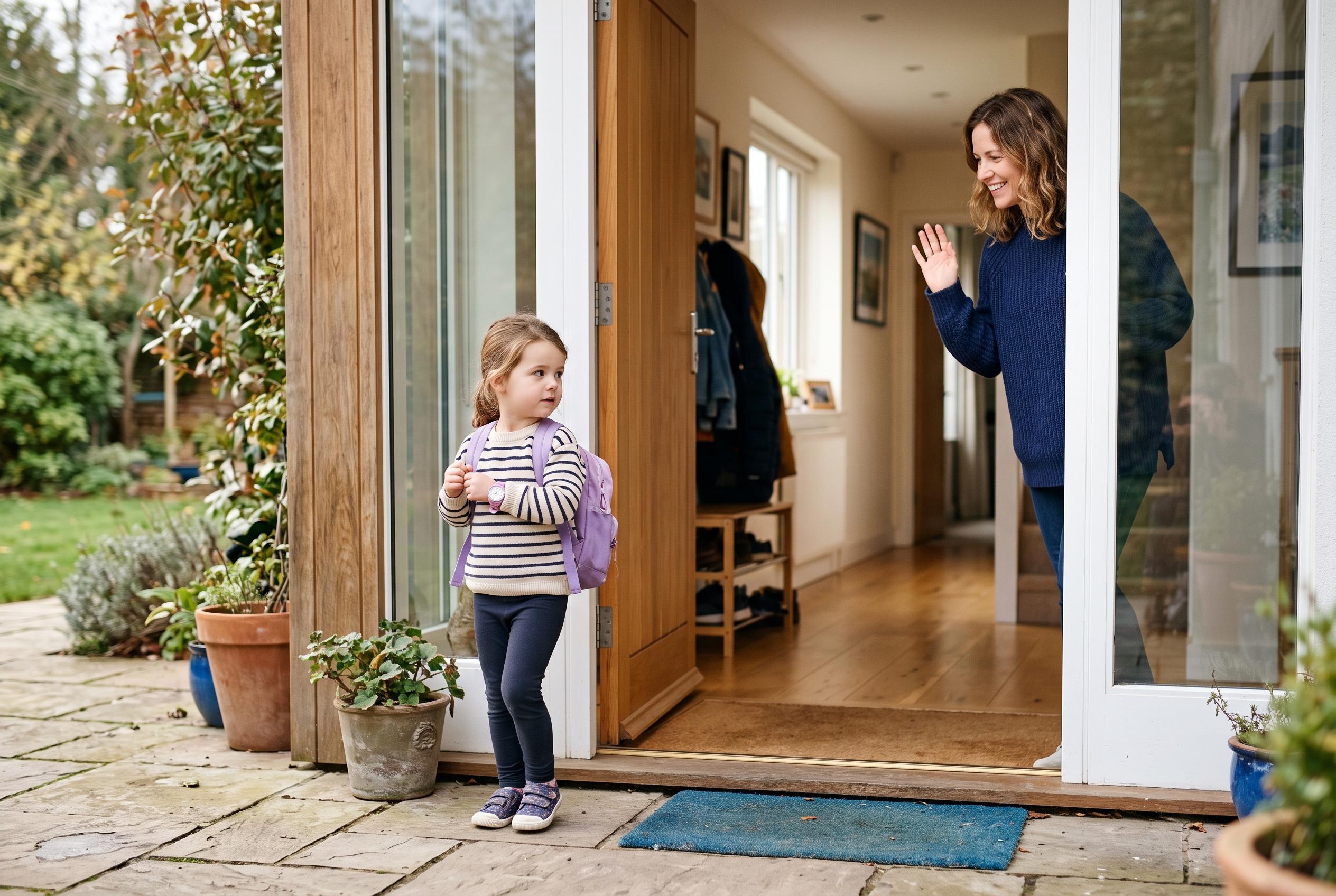

Experts highlight that separation anxiety in young children is a normal developmental stage, with recent advice emphasising routines and gradual familiarisation to ease distress, while warning signs of disorder require professional help.
Separation anxiety is a normal part of early childhood, especially when a child first starts nursery or is left with a caregiver for the first time. It often shows up as crying, shouting or clinging at the moment a parent leaves, because young children do not yet fully understand that the parent will come back. In that sense, the distress is usually a sign of development, not a problem in itself.
Specialists say the timing can vary. MedlinePlus notes that separation anxiety often appears in infancy, while the Mayo Clinic and Cleveland Clinic both describe it as common in babies and toddlers and usually easing by around age three. The key milestone is that children begin to grasp that people and things still exist even when they cannot see them. Once that understanding develops, the panic around goodbye tends to fade, although it can return during stressful periods such as illness, moving house, family change or the start of school.
Parents can often make handovers easier with a calm routine and brief, predictable goodbyes. Short farewell rituals, regular schedules, games such as peekaboo and gradual familiarisation with nursery surroundings can all help a child feel safer. The important point, according to the Mayo Clinic, is to seek professional advice if the fear becomes extreme, lasts for a long time or starts to interfere with everyday life, as that may indicate separation anxiety disorder rather than a passing developmental phase.
Disclaimer: This content is for informational purposes only and is not intended to be a substitute for professional medical judgment, advice, diagnosis, or treatment.