

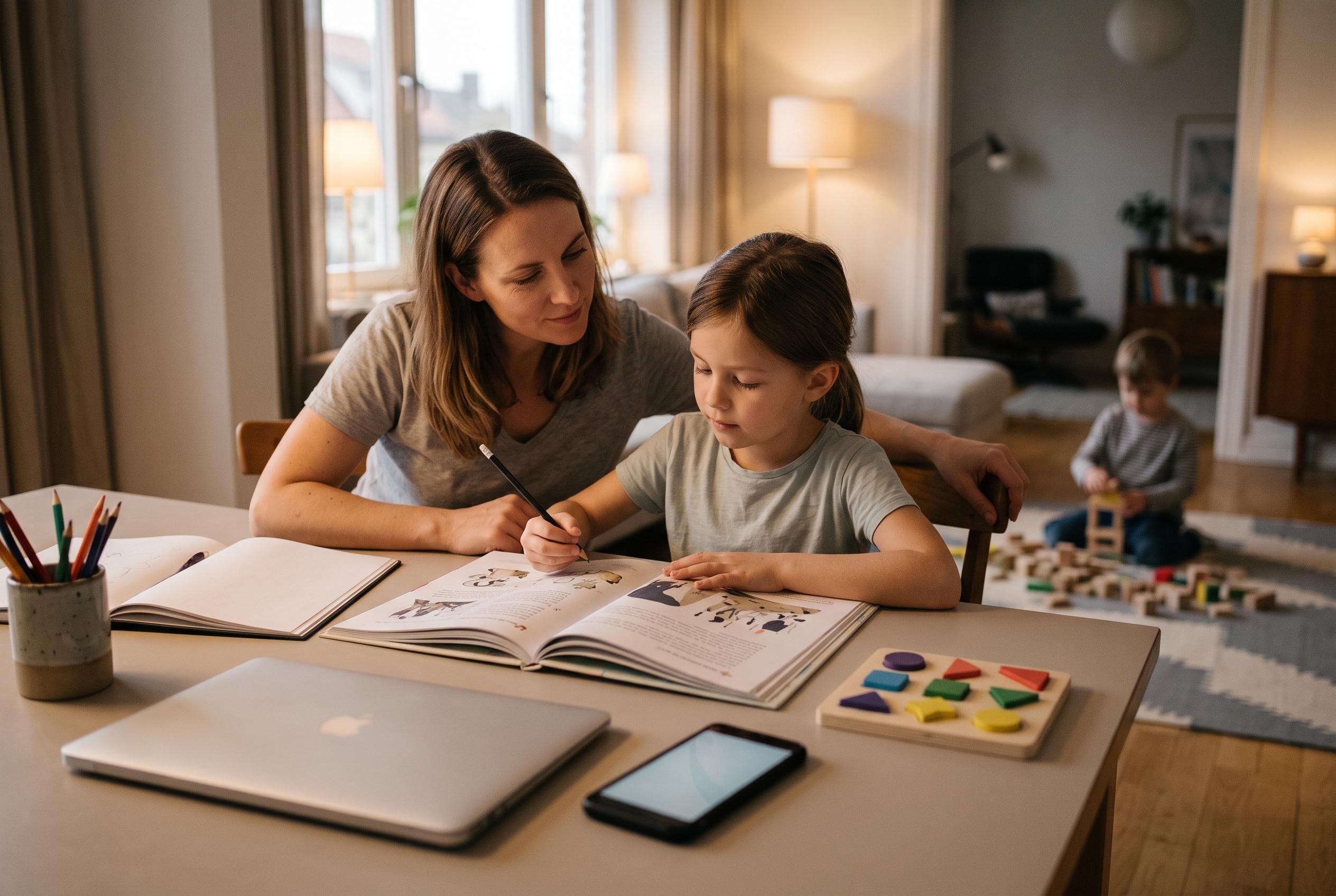

A comprehensive analysis covering over 2.8 million children across 64 countries finds that excessive screen use is linked to poorer academic achievement, language skills, and emotional wellbeing, raising concerns about the long-term effects of digital exposure in childhood.
A large international analysis has added to evidence that heavier screen use in childhood is associated with weaker academic, language and emotional outcomes. The study, which drew on data covering more than 2.8 million children in 64 countries, found links between higher screen exposure and lower overall school achievement, poorer language development and a range of behavioural and mental health difficulties.
According to the report highlighted by The Guardian, the associations extended beyond grades and language. Children with greater screen exposure were more likely to show emotional and peer problems, anxiety and depression-related symptoms, aggression and attention difficulties. The researchers also said some of the effects were similar to, or larger than, those associated with factors such as household income, parenting behaviour and premature birth.
The findings do not prove that screens are the direct cause of those problems. Much of the evidence reviewed was observational, which means other influences may be involved and the direction of cause and effect is not always clear. Children who are already struggling emotionally, for example, may spend more time on screens, making it difficult to separate the cause from the consequence. The researchers also stressed that screen time is not one single activity, covering television, gaming, social media and video calls.
That broader context matters, because earlier research has pointed in the same direction. A survey published in BMC Public Health found that toddlers aged two and three who spent an hour or more on mobile devices had poorer language comprehension and expressive skills than those with no screen time. Other studies, including research in the Journal of Psychiatric Research and in Infant Behaviour and Development, have also linked heavier screen use with anxiety, depression, conduct problems, attention difficulties and emotional or behavioural issues. Taken together, the evidence suggests parents may be better served by focusing less on a rigid daily limit and more on what children are doing online, what screen use is replacing, and whether it is crowding out sleep, exercise, schoolwork and time with family or friends.
Disclaimer: This content is for informational purposes only and is not intended to be a substitute for professional medical judgment, advice, diagnosis, or treatment.



