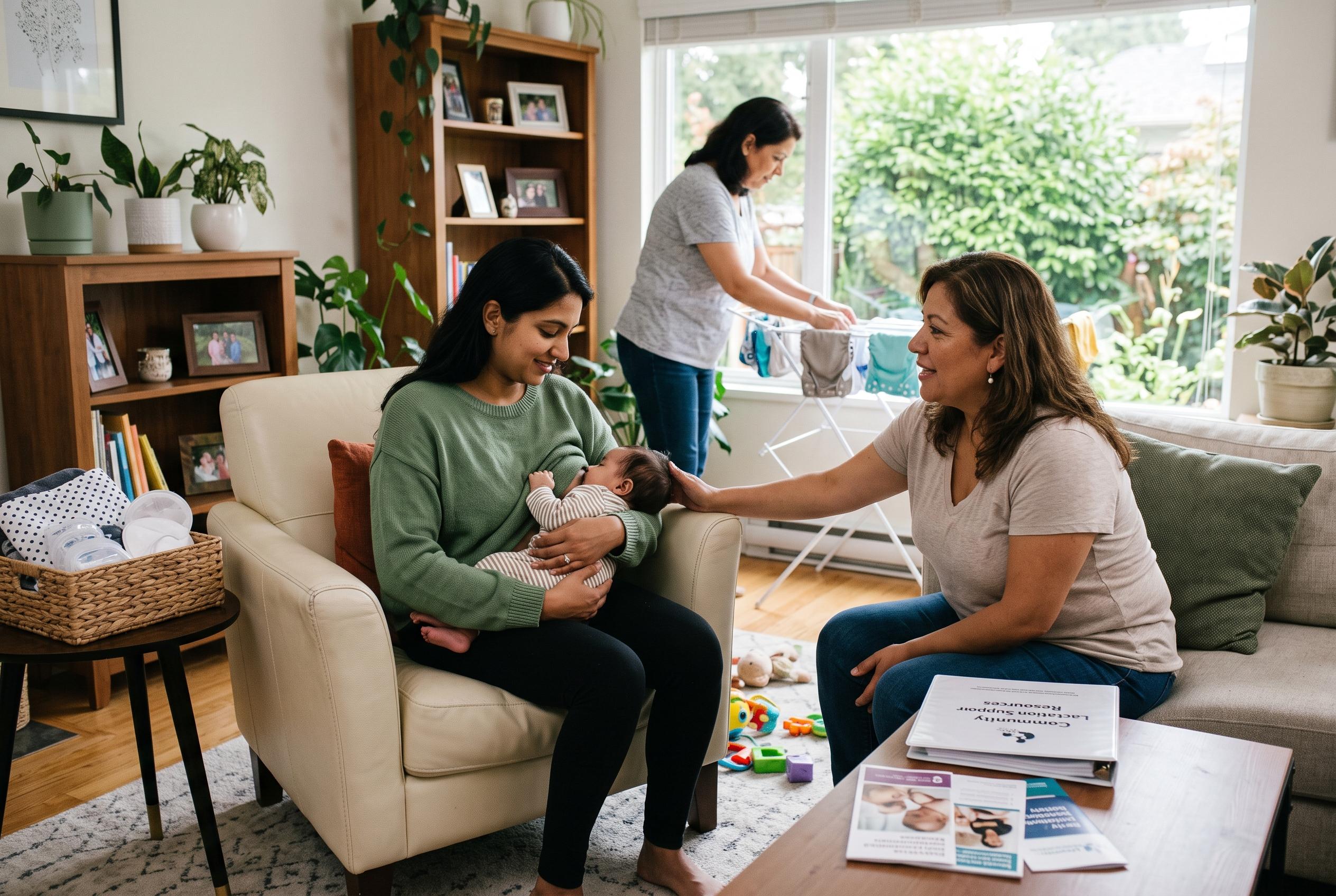

As India’s exclusive breastfeeding rates decline, experts emphasise the need for stronger enforcement of policies and community support to meet the 2047 health and development goals, amid rising digital marketing pressures and informal workforce gaps.
As India seeks to build a more productive and healthier workforce by 2047, the argument for investing in breastfeeding is becoming harder to ignore. World Breastfeeding Week 2026 has chosen the theme “Breastfeeding for a Sustainable Start in Life: Strengthen What Works”, a message that reflects a growing consensus among global health agencies: the issue is not whether breastfeeding matters, but whether countries are doing enough to support it. The World Health Organization says breastfeeding is central to child survival, maternal health and long-term development, yet fewer than half of infants under 6 months are exclusively breastfed worldwide.
India has made notable gains in maternal and child health, but new survey data suggest progress on breastfeeding is slipping. The latest National Family Health Survey shows exclusive breastfeeding among infants under 6 months fell to 55.8% in 2023-24 from 63.7% in 2019-21, even as early initiation after birth improved only modestly to about 50%. That gap matters because health experts say breastfeeding support must be built into care before birth, at delivery and after mothers return home, rather than treated as a stand-alone awareness campaign.
The public health case is strong. The WHO says breast milk is the ideal food for infants in the early months and remains an important source of nutrition through the second year of life. The agency and the US Centers for Disease Control and Prevention both say breastfeeding helps protect babies from infections and lowers later risks of obesity and diabetes, while also reducing mothers’ chances of breast and ovarian cancers, type 2 diabetes and high blood pressure. WHO also says optimal breastfeeding could prevent nearly 400,000 deaths among children under 5 each year.
The economic case is equally compelling. Research cited by the WHO and The Lancet has linked breastfeeding with better cognitive development, improved school readiness and stronger lifetime earnings. WHO says every $1 invested in breastfeeding support can generate returns of $59 through lower health-care costs, better education outcomes and higher productivity. For a country with one of the world’s largest child populations, those gains are not marginal; they are central to building human capital.
India already has much of the policy architecture in place. Programmes such as the Integrated Child Development Services, the National Health Mission, Janani Suraksha Yojana and Pradhan Mantri Matru Vandana Yojana all touch parts of the maternity and child-health system, while the Infant Milk Substitutes Act provides a legal framework to curb inappropriate marketing of breast-milk substitutes. But the latest evidence suggests that policy coverage is not the same as effective delivery. WHO’s review for World Breastfeeding Week 2026 says skilled counselling can lift exclusive breastfeeding by 58%, Baby-Friendly Hospital Initiative practices can raise rates at 6 months by 45% and paid maternity leave is associated with a 52% increase.
The hardest problems now lie outside hospitals. India’s maternity law gives 26 weeks of paid leave, but its benefits largely reach women in the formal economy, while most women workers remain in informal jobs with little access to leave, breastfeeding breaks or workplace childcare. At the same time, digital marketing by formula makers is creating new enforcement challenges that existing rules were not designed to meet. If India wants to protect breastfeeding at scale, the task is less about drafting new policies than about enforcing existing ones consistently, supporting mothers in the community and workplace and treating breastfeeding as part of the country’s development strategy rather than a private choice alone.
Disclaimer: This content is for informational purposes only and is not intended to be a substitute for professional medical judgment, advice, diagnosis, or treatment.