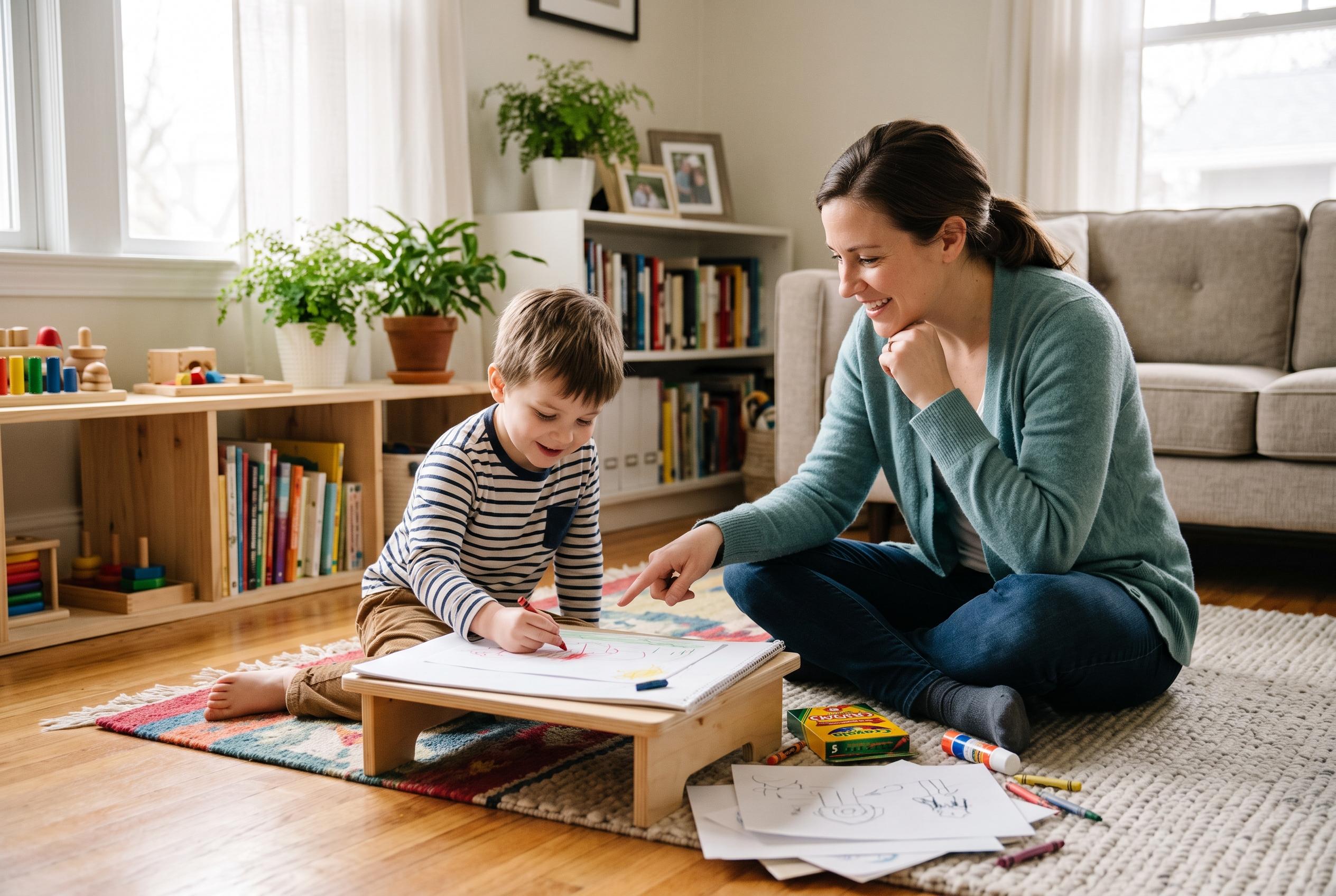

Experts warn that common parental behaviours like comparison, criticism, and lack of praise can significantly damage a child’s confidence. Insights from psychologists emphasise the importance of supportive, specific feedback and giving children space to learn and grow.
Parents rarely set out to chip away at a child’s confidence, yet everyday remarks and habits can do exactly that. A parenting guide from The Kids Coach says the biggest risks come from comparison, criticism, overcontrol and a lack of praise, all of which can leave children feeling they are falling short rather than learning and growing. The message is simple: the words adults use matter, because children absorb them quickly and often literally.
One of the most damaging habits is comparing a child with siblings, classmates or friends. The Kids Coach warns that comments such as asking why a child cannot be more like someone else can create a lasting sense of inferiority. Psychology Today makes a similar point, saying that repeated criticism and comparison can undermine confidence and feed anxiety, while an article on EdPosts argues that constant comparison can also suppress talent by making children feel their individual strengths are not recognised.
Criticism can be just as harmful when it becomes a pattern. Marriage.com says children who are regularly judged often grow up feeling that nothing they do is good enough, which can spill into friendships, school and later life. Research published in PubMed also suggests that behavioural control from parents may be especially damaging in adolescence, when young people need more room to practise independence. The broader lesson is that guidance works best when it leaves space for a child to make age-appropriate choices and learn from them.
Praise, meanwhile, needs to be specific and sincere. The Kids Coach says children benefit from being noticed when they do something well, even if the feedback is as simple as a thank-you. That fits with research from Utrecht University, which found that inflated praise can create unrealistic standards and weaken self-esteem rather than strengthen it. Taken together, the evidence points in the same direction: children thrive when parents encourage effort, avoid harsh comparisons and give them enough freedom to build confidence on their own.
Disclaimer: This content is for informational purposes only and is not intended to be a substitute for professional medical judgment, advice, diagnosis, or treatment.