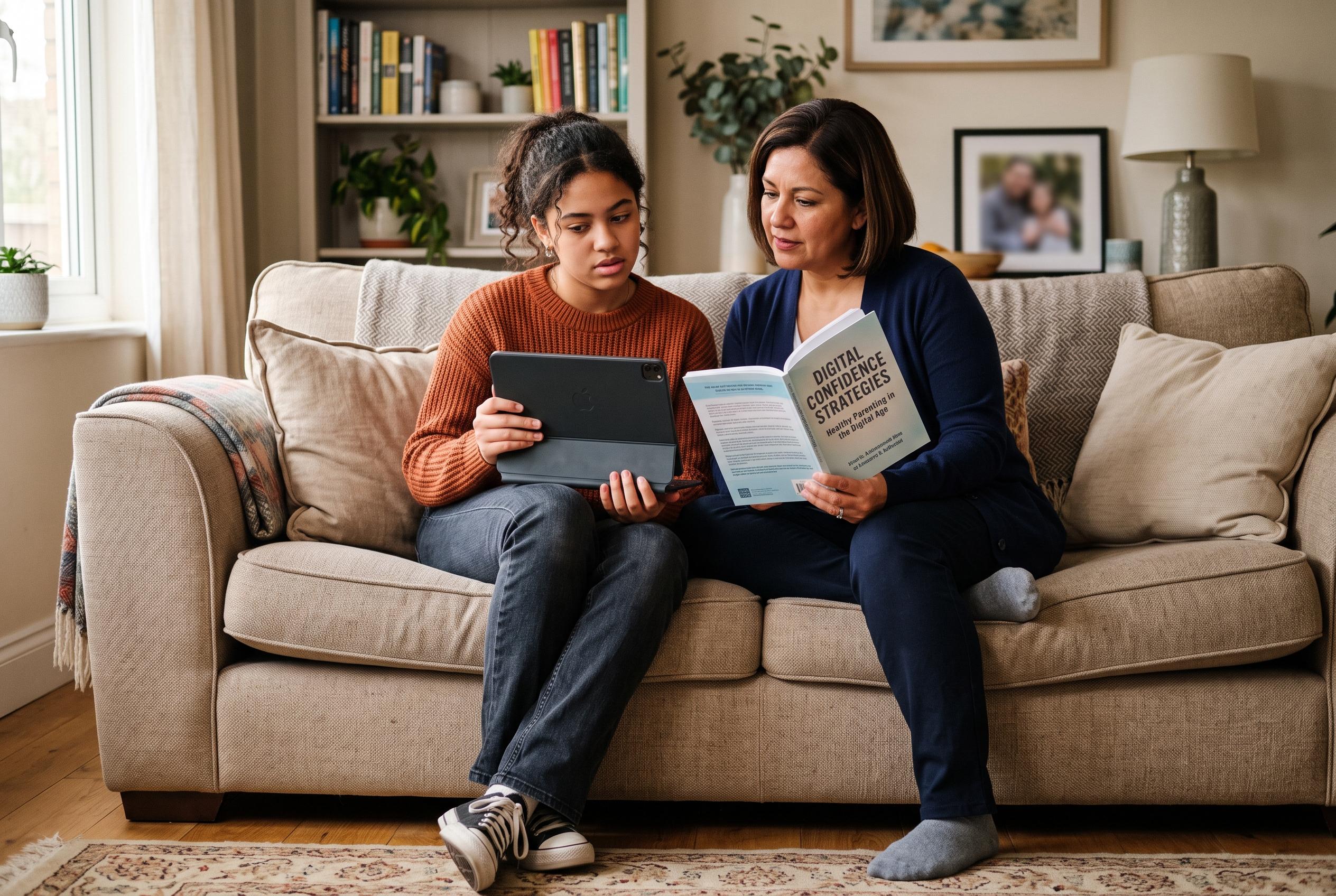

Teenagers today face unprecedented levels of self-comparison driven by constant exposure to curated online content. Experts recommend practical strategies for parents to support confidence and a healthier self-image in the digital age.
“Everyone else has nicer clothes.”
“I’m the only one who isn’t allowed to go.”
“She’s prettier than me.”
For parents, remarks like these can be painful to hear, but they are increasingly common. The sponsored article by BraveFace Jr. says young people have always compared themselves with others, but today’s tweens and teens are doing it on a scale that past generations never faced.
What has changed most is the environment. Instead of measuring themselves against a few classmates or neighbours, teenagers now scroll through hundreds or even thousands of polished, curated images and posts every time they pick up a phone. That constant exposure can turn ordinary self-doubt into something much harsher, leaving a child who once seemed carefree suddenly worried that they are not attractive, stylish or successful enough.
Parents and carers are not powerless in that moment. Guidance from Digital Age Parenting, which focuses on evidence-based advice for families, stresses that children need help navigating the pressures of smartphones, social media and other digital habits. Teens Academy, which runs confidence-building workshops for young people, says support works best when it combines emotional understanding with practical boundaries and steady adult involvement.
Experts quoted across parenting and health resources recommend a similar approach: listen without dismissing the feeling, help teenagers question whether the comparison is fair, and remind them that social media rarely reflects ordinary life. Raising Teens Today says parents should strengthen a young person’s sense of identity from the inside out, while Raising Arizona Kids advises encouraging real-world activities, honest conversations about online perfection and calmer modelling at home. Miller Children’s & Women’s Hospital also points to the pressure created by media ideals around appearance and fitness, arguing that confidence grows when adults help teens build a healthier self-image rather than chase impossible standards.
Disclaimer: This content is for informational purposes only and is not intended to be a substitute for professional medical judgment, advice, diagnosis, or treatment.