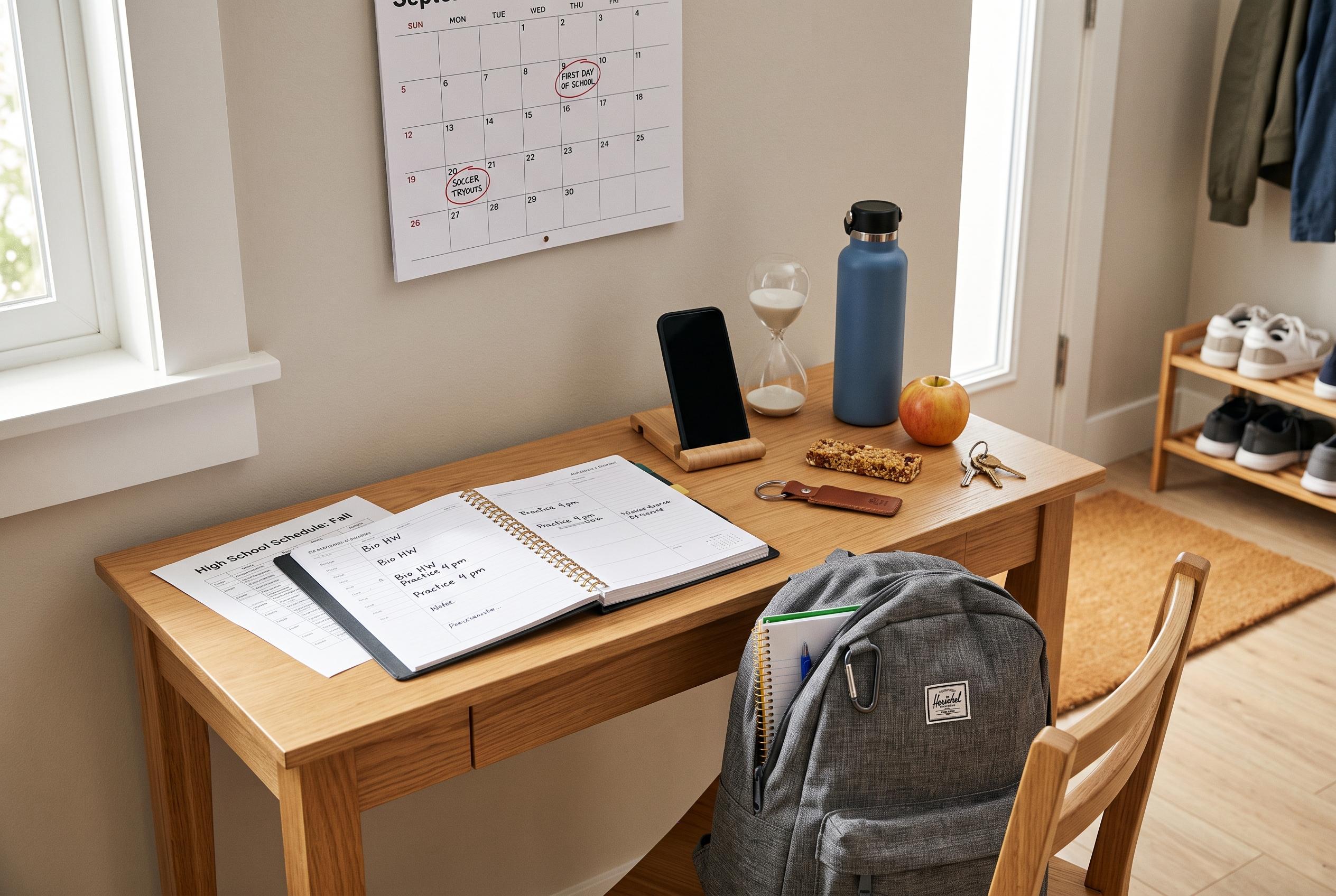

As the school year begins, parents are encouraged to support teenagers’ independence through gradual routines and open communication, avoiding excessive surveillance and fostering healthy boundaries around technology and well-being.
Parents often want to turn the end of the holidays into a clean reset, but teenagers usually need a gentler hand. The start of the school year is less about launching a perfect routine than about helping a young person ease back into earlier mornings, regular meals, homework and deadlines without taking over the job for them. The Centre for Disease Control and Prevention says teenagers are more likely to build independence when parents set clear expectations and keep communication open, while also allowing space for interests and responsibility.
That balance matters because routine cannot be switched on overnight. HealthyChildren.org advises families to prepare gradually, with consistent sleep and wake times, realistic expectations and practical planning before term begins. The same approach is echoed in guidance from clinical psychology specialists, who recommend involving teenagers in planning their own schedules so they can practise time management rather than having every detail managed for them.
The temptation, however, is to move from support into surveillance. Parents may feel safer checking school systems repeatedly, reminding children about every test and stepping in at the first sign of trouble. Yet that can leave teenagers with the lesson that adults will remember for them. The NHS trust in Cambridgeshire and Peterborough says young people need love, support, respect, clear rules and responsibility if they are to develop independence safely.
Technology is another flashpoint when school starts again. Psychology Today has argued that families do better when they treat phone use as a shared problem to be managed, not a battle to be won, with agreed device-free periods, clear limits and honest discussion about why teens are reaching for their screens. That is especially important at bedtime and during homework, when notifications can interrupt concentration and sleep.
Not every poor mark needs a rescue mission. A weaker-than-expected result at the start of term may simply mean a teenager is still adjusting to a new timetable, a tougher teacher or a different workload. More important are signs that something deeper is wrong: ongoing sleep problems, school avoidance, headaches or stomach aches linked to lessons, withdrawal from friends or a persistent low mood. In those cases, the first step is not criticism but conversation. As HealthyChildren.org notes, teenagers also need encouragement to speak up for themselves and to learn that adults are there to help, not to live the year in their place.
Disclaimer: This content is for informational purposes only and is not intended to be a substitute for professional medical judgment, advice, diagnosis, or treatment.