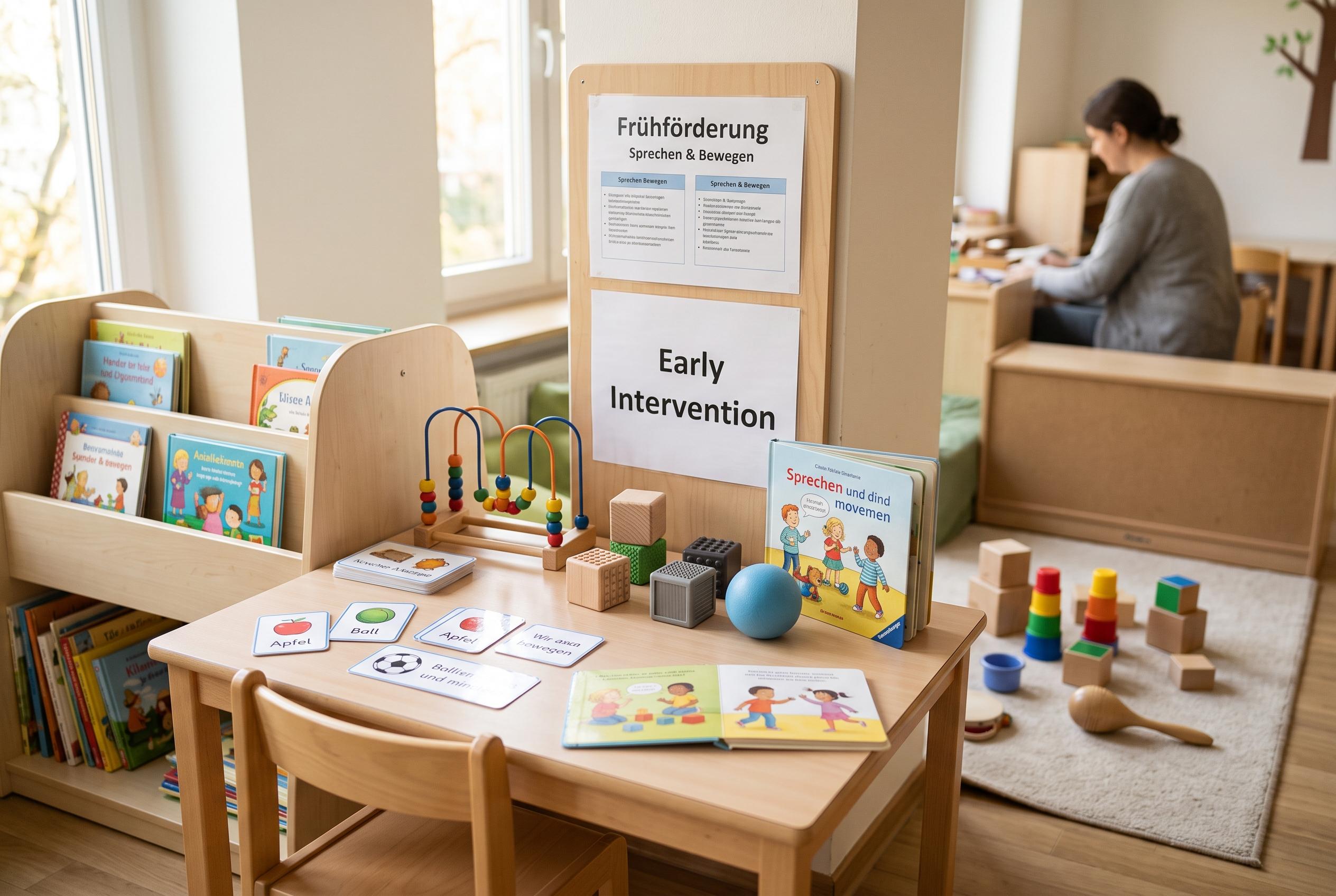

New data reveals over 22% of Hamburg’s preschoolers are affected by speech or motor development problems, highlighting urgent need for early support and parental awareness.
Hamburg’s youngest pupils are arriving at school with a growing burden of language and movement difficulties, according to new figures from Barmer’s Children’s Atlas. The data suggest that in 2024 about 22.8% of pre-school children in the city had a medically recorded speech or language disorder, while 6.7% were identified with motor development problems. That amounts to more than 16,500 children with speech or language difficulties and roughly 7,200 with motor issues. Barmer said these skills are central not only to classroom learning but also to social development.
The insurer’s long-running dataset shows how sharply the picture has worsened over time. In Hamburg, the share of pre-school children with speech or language disorders has risen from 7.4% in 2005 to 22.8% in 2024. Motor development disorders have also increased, climbing from 2.2% to 6.7% over the same period. Similar patterns have been reported elsewhere in Germany, with Barmer data for Bavaria, Baden-Württemberg, North Rhine-Westphalia and Saxony all showing higher rates of speech and motor development problems than in the mid-2000s.
Boys are affected more often than girls in Hamburg. In 2024, 27.1% of boys and 18.1% of girls of pre-school age had a speech or language disorder, while motor development problems were recorded in 8.1% of boys and 5.1% of girls. Barmer said speech difficulties can show up in poor pronunciation, a limited vocabulary or weak sentence structure, while motor problems may appear as unsteady walking, balance issues or trouble with drawing and crafts.
Susanne Klein, Barmer’s Hamburg head, said children need regular opportunities to talk, play and move if they are to develop well. She also pointed to the role of everyday conversation, shared experiences and age-appropriate media use. Her advice is that parents should seek help early if they notice problems, because the sooner support begins, the better the chances of improving a child’s development.
Disclaimer: This content is for informational purposes only and is not intended to be a substitute for professional medical judgment, advice, diagnosis, or treatment.