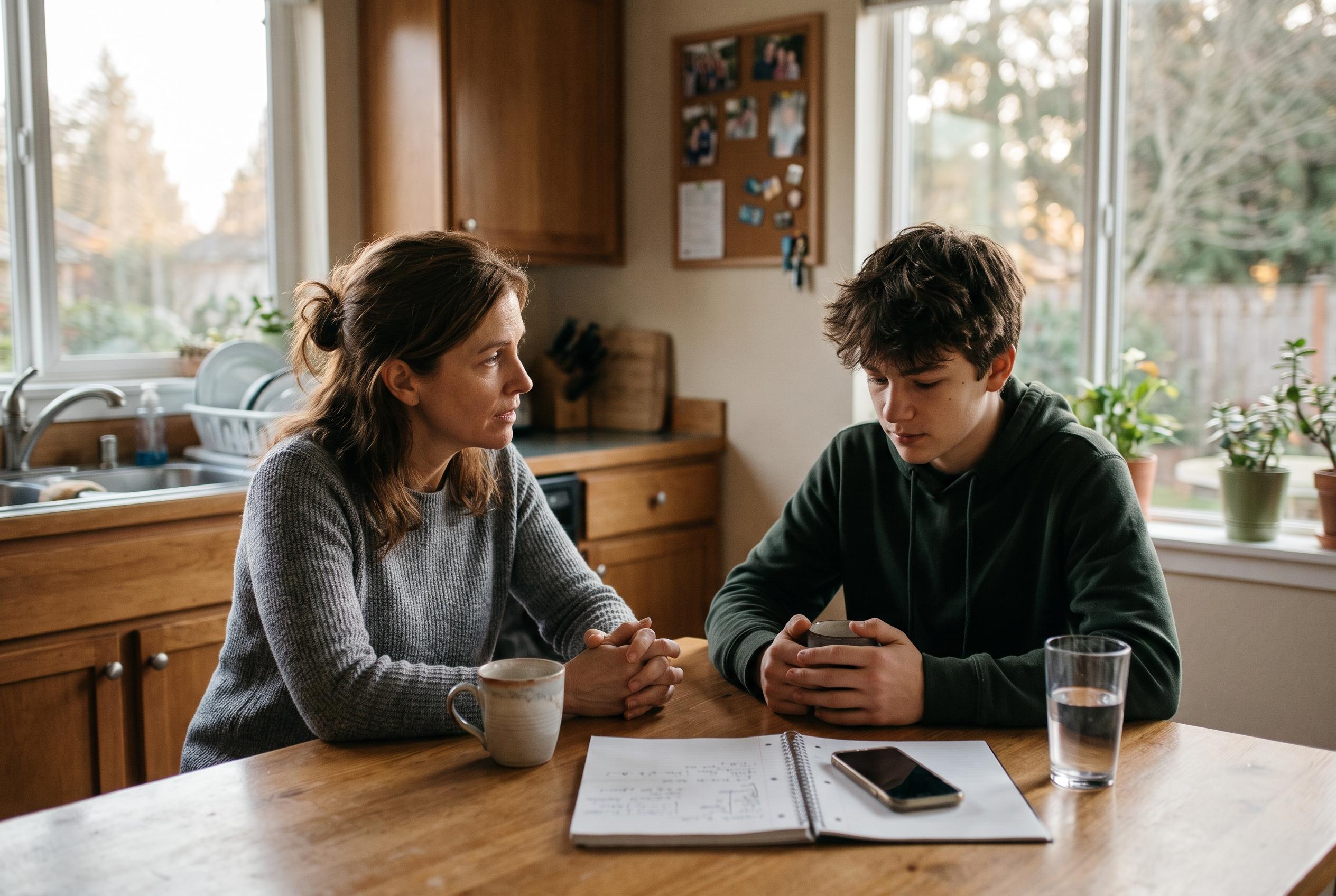

Parents have several routes to support when changes in a teenager’s mood, sleep or behaviour persist , but suicidal thoughts or immediate safety concerns require urgent help.
Parents who are worried about a teenager’s mood, sleep or behaviour often begin by looking for practical, trustworthy support close to home. The first signs can be subtle: a teenager may seem withdrawn, stop enjoying activities they once liked, or struggle more with school, friends or family life. When those changes persist, mental health help can make a real difference.
According to the guidance in the lead article, the first conversation should usually start with a calm check-in and, if needed, a visit to a family doctor or paediatrician. A clinician can rule out physical causes, ask about sleep and daily routines, and suggest the next step, whether that is counselling, a therapy referral or a different type of care. That advice is echoed by providers that specialise in adolescent treatment, which say teenagers do best when support is age-appropriate and tailored to the pressures they face.
For families looking beyond primary care, licensed therapists remain one of the most common options. The lead article advises parents to check a clinician’s training, licence and experience with teenagers before booking. Sandstone Care says its programmes are built around evidence-based treatment for teens and young adults, with plans that can address depression, anxiety and substance use alongside family needs. Its Reston Mental Health Center, for example, offers outpatient care in Virginia with a relatively short programme length and personalised treatment plans.
School can also be a useful starting point, particularly when emotional strain is affecting attendance, concentration or friendships. School counsellors may help with peer pressure, exam stress or conflict with classmates, and can often direct families to outside services if a teenager needs more sustained support. The lead article notes that parents should ask schools how counselling is handled and what privacy protections are in place before encouraging a child to speak openly.
Some families may prefer dedicated counselling centres, especially when a teenager needs more structure than a single weekly appointment. The lead article says these centres may offer individual therapy, family sessions or group support, and should explain their fees, staff qualifications and treatment plans clearly. Helix Center, for instance, says it offers weekly therapy and a 14-week intensive outpatient programme for teenagers aged 14 to 18, with a holistic approach to care. Families should still ask how progress is tracked and how parents are involved.
Online therapy has also become a practical option for families balancing school schedules, transport issues or long distances to a clinic. The lead article recommends checking that any online provider is licensed in the relevant area and has clear safeguards for privacy and emergency situations. For some teenagers, the flexibility of remote sessions can make it easier to stay engaged with treatment, but the arrangement still needs a quiet and private space at home.
Peer support can be valuable too, particularly for teenagers who are not yet ready for formal therapy. Teen Hope describes itself as a free, confidential peer-to-peer platform offering coping skills, crisis connections and a judgement-free space for discussion. YouthLine provides a similar service for young people up to the age of 24, with support available by phone, text, chat and email, while the NAMI Teen & Young Adult HelpLine offers free peer support and resource referrals from trained volunteers in their twenties. These services are not substitutes for emergency care, but they can help young people feel less isolated while families look for longer-term help.
The most important step, however, is knowing when the situation has moved beyond routine support. The lead article stresses that talk of suicide, self-harm or feeling unsafe should always be taken seriously. If a teenager may act on those thoughts or cannot stay safe, parents should contact emergency services or go to the nearest emergency department rather than waiting for a scheduled appointment.
For parents and caregivers, the larger lesson is that there is no single correct route into care. A family doctor, school counsellor, therapist, youth helpline or specialist treatment centre may all play a part. What matters most is acting early, asking clear questions and keeping the teenager involved in decisions wherever possible. With steady support and the right kind of help, many young people can learn healthier ways to manage stress and regain a sense of control.
Disclaimer: This content is for informational purposes only and is not intended to be a substitute for professional medical judgment, advice, diagnosis, or treatment.