

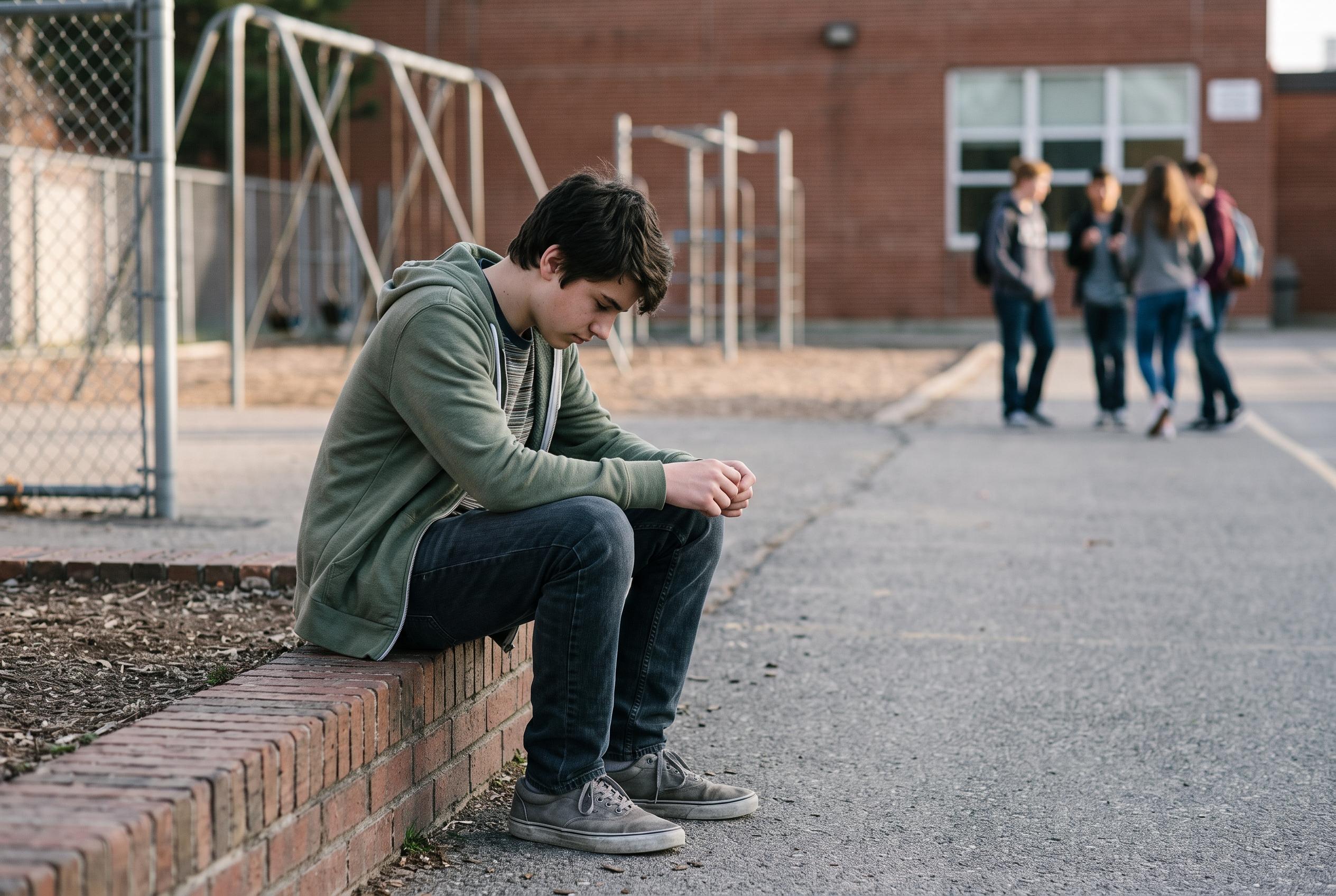

The influencer’s account of eight years of abuse has renewed attention on the lasting psychological effects of bullying and the warning signs that shyness may have become a clinical problem.
Felca’s account of years of abuse at school has brought fresh attention to the long shadow bullying can cast over mental health. In a video posted to his YouTube channel, the influencer said the physical and verbal aggression he endured for eight years left lasting marks and contributed to his struggle with social anxiety, also known as social phobia. He also said he turned to alcohol to get through situations such as filming and interviews.
The discussion has reopened a broader question for parents, teachers and young people: when does shyness become a clinical problem? Cleveland Clinic says social anxiety disorder is marked by an intense, persistent fear of being judged or watched in social settings, which can lead people to avoid conversations, gatherings and other everyday interactions. Mayo Clinic adds that the condition is diagnosed through a full assessment of symptoms and history, rather than by one single test.
Symptoms can be emotional, behavioural and physical. According to Cleveland Clinic and Mayo Clinic, common signs include rapid heartbeat, sweating, trembling, excessive worry and a strong urge to withdraw from social situations. Felca’s disclosure has resonated because it reflects a pattern seen in many people who have experienced repeated humiliation or violence: the effects can continue well beyond the school years and shape confidence, relationships and work life.
Brazilian neuropsychologist Aparecida Tavares said bullying can affect a victim’s behaviour, academic performance and sense of self, especially when it involves psychological, verbal or physical violence. She said it can lead to avoidance, isolation, lower school performance, insecurity and feelings of worthlessness. Her comments underline a point echoed in medical guidance: if fear and avoidance begin to interfere with daily life, professional help should not be delayed.
For children and teenagers, warning signs may include persistent sadness, refusal to attend school, withdrawal from friends and repeated complaints of headaches, nausea or stomach pain before certain activities or places. Those symptoms do not confirm social anxiety on their own, but they do signal distress. Treatment commonly includes cognitive behavioural therapy, which helps people challenge harmful thought patterns, and, in some cases, antidepressant medication, according to Mayo Clinic and Cleveland Clinic. Specialists say early intervention can make a significant difference, and that the first steps are usually to stop the bullying, listen without blame and involve mental health professionals when needed.
Disclaimer: This content is for informational purposes only and is not intended to be a substitute for professional medical judgment, advice, diagnosis, or treatment.



