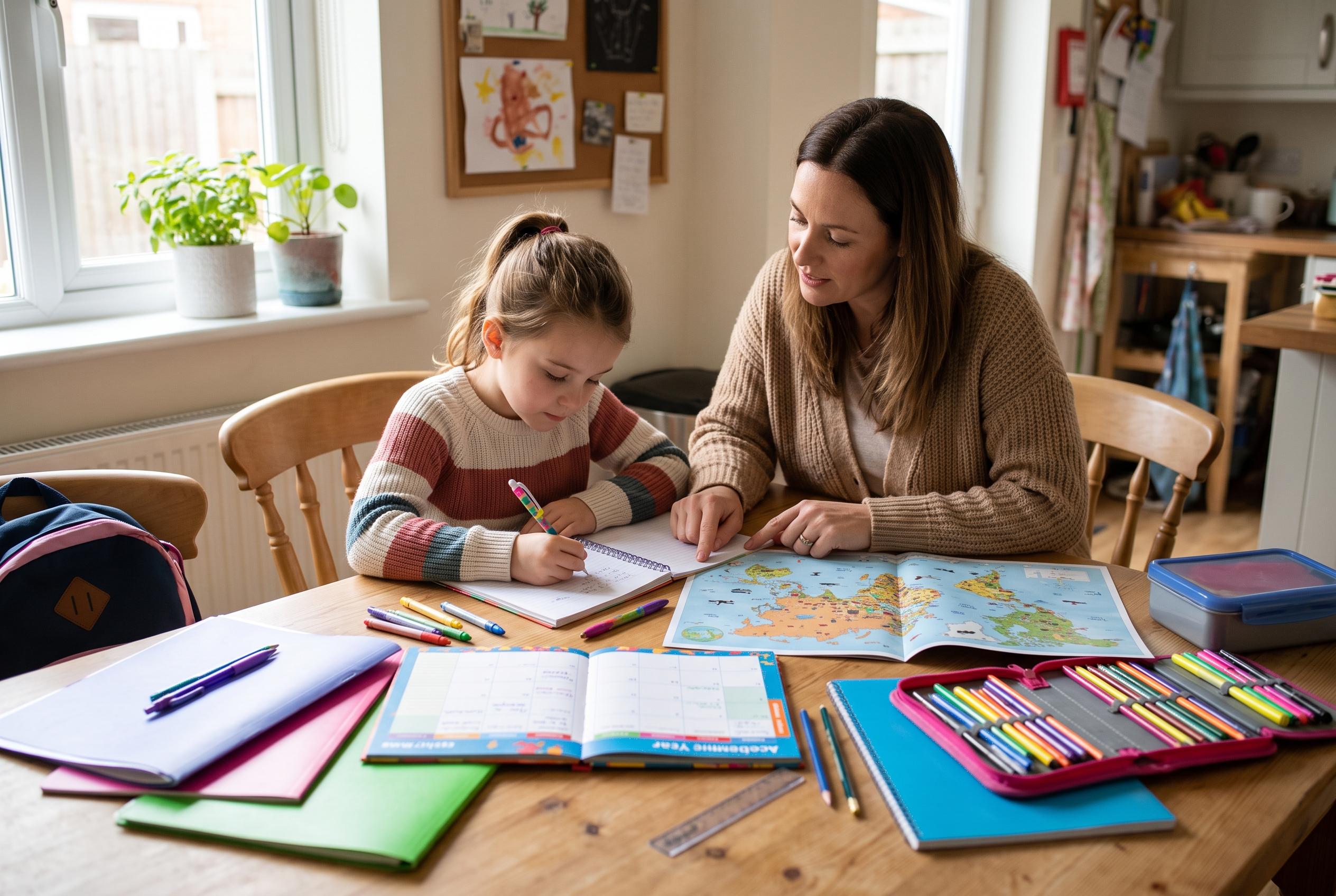

Experts suggest practical strategies and emotional support to help children and parents navigate the return to school, easing anxieties linked to routines, social pressures, and new environments.
It is common for children and parents to feel a surge of unease as the school term begins, with worries ranging from classroom relationships and academic pressure to the practical strain of new timetables, sports and work commitments. Carrie Etheridge, director of social work at Sheppard Pratt, told Baltimore’s Child that back-to-school anxiety is a normal response to change, especially when summer has been less structured and the return to expectations feels abrupt. Families can also feel the pinch in ways that go beyond emotions, from homework support to after-school care and the cost of supplies and clothes.
The first step, experts say, is to notice how anxiety shows up. Some children become withdrawn, stop talking about their feelings or lose interest in activities they enjoyed over the summer. Others have trouble sleeping, seem more irritable or complain of physical symptoms. Johns Hopkins Medicine says children often worry about new teachers, routines, friendships and whether they will cope academically, while Harvard Health notes that anticipatory anxiety can build in the days before school starts, particularly for children who already struggle with anxiety.
A calmer start often begins before the first bell. Johns Hopkins Medicine recommends easing back into school routines by adjusting bedtimes and wake-up times in advance, laying out clothes the night before and practising drop-off routines. The Kids Mental Health Foundation also advises involving children in school-supply shopping, arranging meet-ups with familiar friends and helping them rehearse coping skills. Etheridge told Baltimore’s Child that families benefit from a predictable schedule, prepared backpacks and a plan for the morning rush before the school day begins.
Parents play an important part in setting the tone. Rather than dismissing fears, experts encourage adults to listen carefully, validate what children are saying and then work on solutions together. Mass General Brigham says parent stress can easily filter down to children, so adults should model healthy coping by getting enough sleep, eating well, exercising and limiting late-night screen time. Johns Hopkins Medicine likewise suggests praising independence and rewarding small steps that show a child is managing change successfully.
Experts also recommend reducing uncertainty wherever possible. Touring the school, meeting the teacher and learning how the counsellor is accessed can help children feel more secure, especially if they are likely to need extra support. Etheridge told Baltimore’s Child that speaking with teachers before school starts can be useful for sharing a child’s concerns and setting communication expectations. And while social media may suggest that everyone else has a picture-perfect first day, she urged families not to compare themselves with polished online snapshots. A better approach, she said, is to be honest, stay flexible and mark the new school year with a family activity that feels positive rather than pressured.
Disclaimer: This content is for informational purposes only and is not intended to be a substitute for professional medical judgment, advice, diagnosis, or treatment.