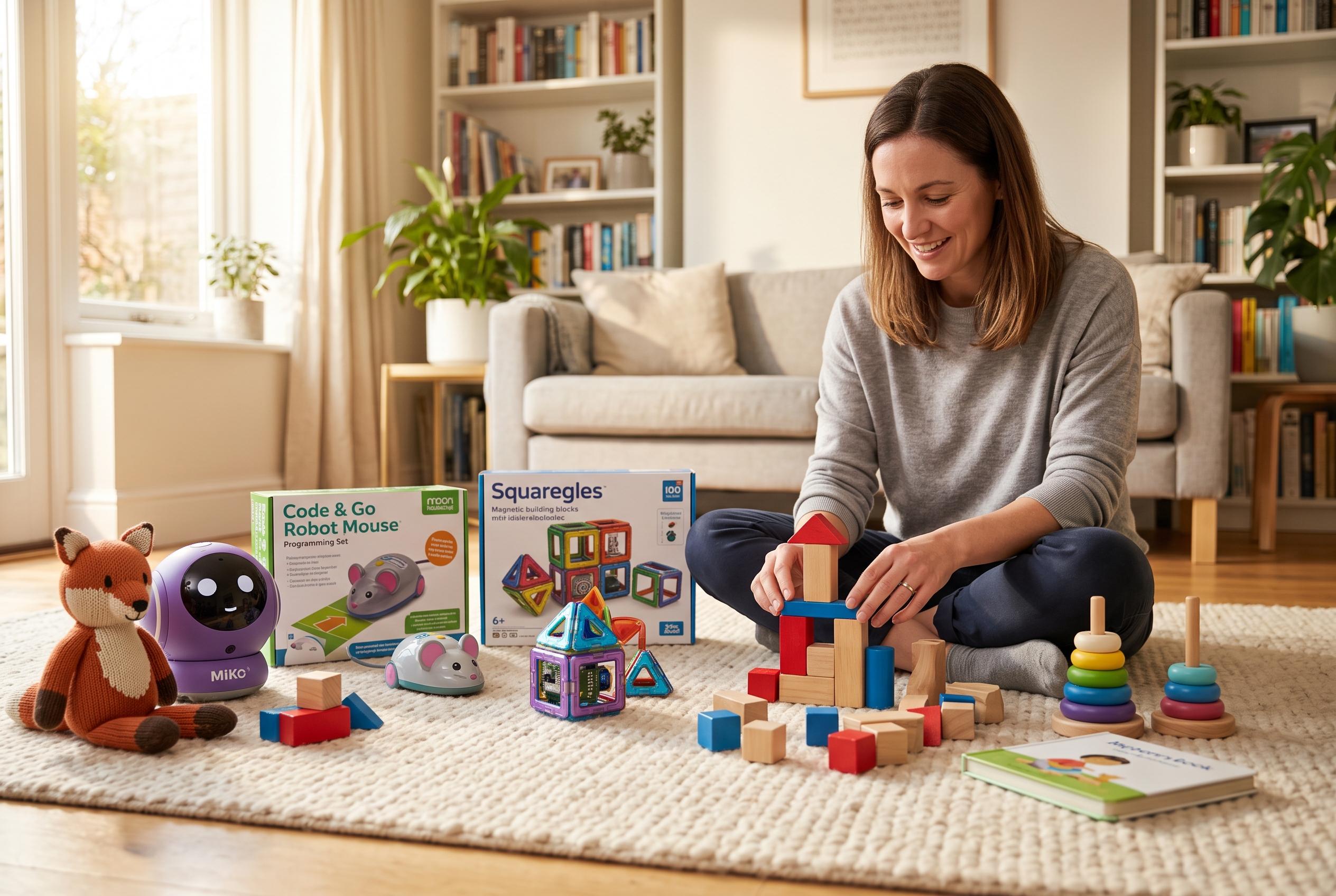

As artificial intelligence is integrated into toys aimed at young children, specialists caution that these devices may hinder emotional bonds and critical developmental processes, urging stricter regulation and mindful use.
Parents weighing AI toys for children this holiday season are being urged to think beyond novelty and marketing promises. As artificial intelligence spreads into household appliances, cars and other everyday products, it is now appearing in toys pitched at very young children, including interactive robots, talking plush animals and even keyrings sold as smart companions.
Among the better-known products are Gabbo and Chattybear, both designed to hold simple conversations with children. According to reporting by La Nación, Gabbo uses a voice-activated chatbot built with OpenAI technology and is marketed for children over 3, while Chattybear follows a similar formula in teddy bear form. Axios has also reported on Curio, the company behind some of these toys, and on the broader push to embed AI into physical objects.
But researchers and child-development specialists say the evidence base is still thin. The University of Cambridge has studied how children aged 3 to 5 interacted with Gabbo and found that the toy often struggled to understand interruptions, confused voices and responded awkwardly to affection or emotion. The Guardian and Anadolu Agency both reported that the researchers called for tighter rules, clearer labelling and more precise safeguards for products aimed at young children.
Argentinian paediatrician Silvina Pedrouzo said young children are still learning to separate reality from fantasy, which makes AI toys especially delicate in the earliest years. Psychologist Clara Raznoszczyk Schejtman argued that a conventional toy is a space for projection and imagination, whereas an AI toy answers back on its own and can interrupt that process. Both specialists said these products should not be used as emotional substitutes, sleep aids or replacements for adult presence.
The Cambridge team warned that children could form one-sided emotional ties with such devices, while UNICEF has said AI systems for children should meet strict standards on safety, privacy, transparency and accountability. Pedrouzo said families should favour shared, supervised use if they choose these toys at all, and both experts stressed that the richest early-childhood experiences still come from human contact, language, play and the freedom to be bored.
Disclaimer: This content is for informational purposes only and is not intended to be a substitute for professional medical judgment, advice, diagnosis, or treatment.