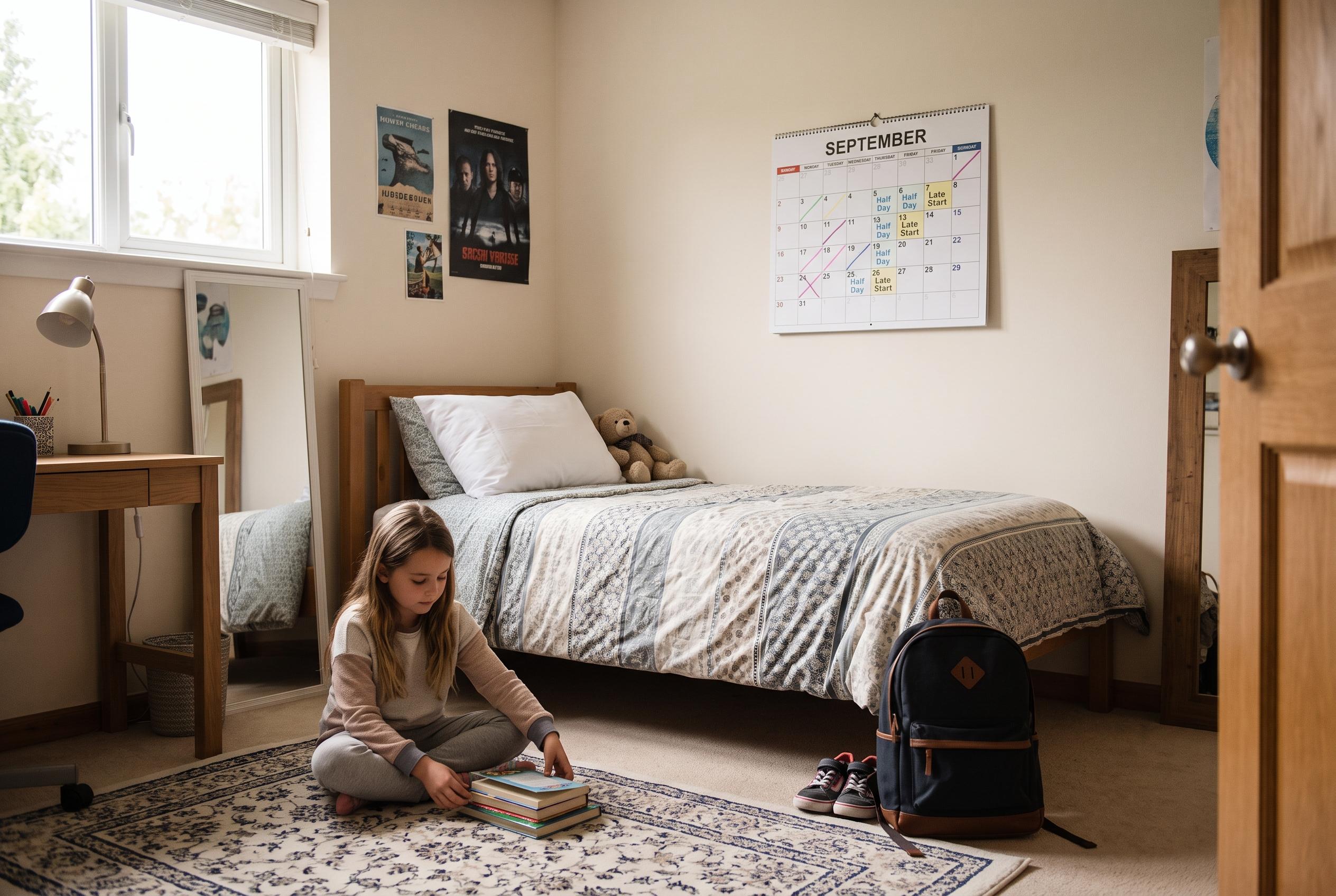

As children prepare to return from long summer holidays, experts recommend gradual adjustments to routines and emotional support to help ease the transition back to school, minimise stress, and foster confidence.
The long summer break can make the return to class feel abrupt for children, particularly after weeks of later nights, slower mornings and less structured days. Parents are often dealing with more than a simple change in timetable: children may also face tiredness, disrupted sleep, lower appetite, anxiety about lessons and a renewed need to fit back into a social environment that may have changed over the holiday, according to the material published by Aif.ru and guidance from paediatric and child-development groups in the US.
A gradual reset is usually easier than a sudden one. Experts quoted by Aif.ru say families should begin shifting bedtimes and wake-up times 1 to 2 weeks before school starts, moving them earlier by 15 to 30 minutes at a time. Johns Hopkins Medicine and other child-health organisations recommend planning ahead rather than waiting until the last weekend, and they suggest using evening routines, morning checklists and a consistent school-night schedule to help the body adjust. Opening curtains soon after waking, getting outside briefly and keeping screens away for about 90 minutes before bed can also help because bright light and device use affect the body’s sleep signals.
The emotional side of the transition matters too. Children may worry about new teachers, harder work, tests or simply whether they will still fit in. Child psychology resources cited in the related material say it is normal for children to feel mixed emotions about going back, especially if they made new friends over the summer or left disagreements unresolved before the break ended. Several of the guidance sources also recommend talking through the coming term, involving children in school preparations and arranging time with classmates before the first day to rebuild confidence.
What experts advise against is just as important. A sudden return to a packed timetable can make the adjustment harder, and piling on extra lessons or tutoring in the first weeks may leave children more exhausted rather than better prepared. The Aif.ru material says parents should avoid creating a tense atmosphere at home, while the broader guidance warns against treating the transition as something to dread. If apathy, repeated complaints of feeling unwell or serious social difficulties continue for a month or more after school starts, the advice is to seek help from a school psychologist or another qualified specialist.
Disclaimer: This content is for informational purposes only and is not intended to be a substitute for professional medical judgment, advice, diagnosis, or treatment.