


Paediatric experts recommend transparent, age-appropriate communication and limiting exposure to upsetting news to help children process traumatic events and reduce anxiety.
When children see frightening news images or hear about violence, they often fixate on the most personal fear: whether it could happen to them or the people they love. Paediatric experts say the best response is calm honesty, not reassurance that shuts the conversation down. The aim is to give children enough information to feel safe without piling on graphic detail or speculation.
Cleveland Clinic advises parents to start by asking what the child has already heard and what, specifically, is worrying them. That lets adults correct misunderstandings before they harden into bigger fears. Johns Hopkins Medicine also recommends keeping explanations simple and matched to the child’s age and maturity, because children do not need every detail to understand that adults are working to keep them safe.
Specialists say it helps to name the emotion as well as the event. A child who asks whether they will be harmed after seeing a distressing story may really be asking whether the world is predictable. In that moment, caregivers can explain what is known, what is not known, and what steps are being taken at home, at school or in the community to keep people protected. MaineHealth and HealthyChildren.org both recommend avoiding graphic descriptions and focusing instead on clear, age-appropriate language.
It also matters how much news children are taking in. Common Sense Media advises parents to watch for repeated exposure to upsetting coverage, especially when videos, alerts and social media clips keep replaying the same event. Children who keep returning to the footage may become more anxious, not more informed. Limiting screen time, especially before bed, can help lower that stress and give children room to process what they have heard.
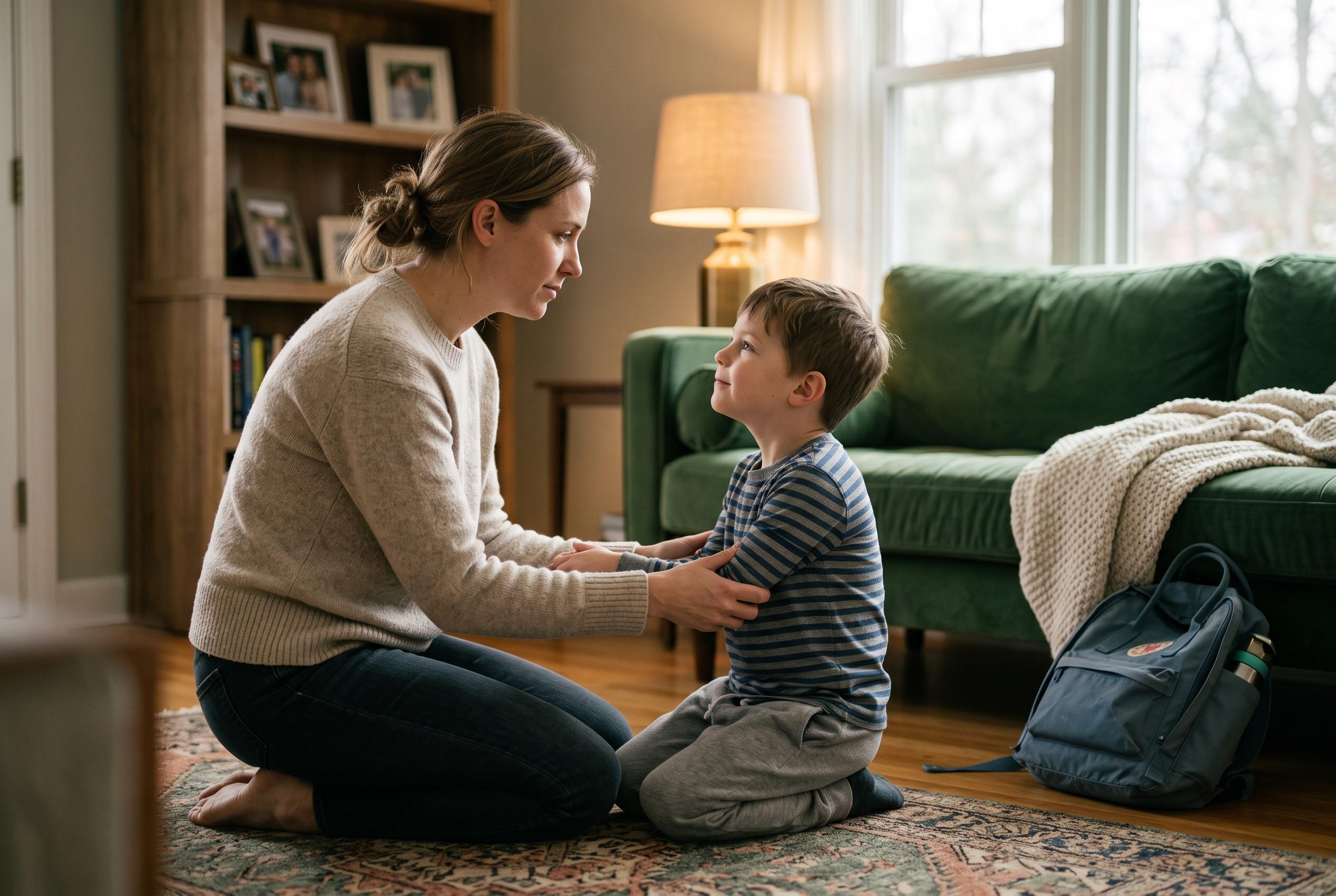
Experts also say comfort should be active, not vague. That can mean sitting with a child, answering questions directly and reminding them that feeling scared is normal after upsetting news. If a child stays unusually withdrawn, cannot sleep, has persistent nightmares or keeps reliving the event, Johns Hopkins Medicine and other child-health groups recommend seeking professional help. For many families, though, a steady conversation, honest answers and a reassuring presence are enough to help a child move from fear towards understanding.
Disclaimer: This content is for informational purposes only and is not intended to be a substitute for professional medical judgment, advice, diagnosis, or treatment.



