
Dr Mahmoud Aliyan emphasises the importance of sound upbringing, awareness, and responsibility over constant monitoring in safeguarding children’s development amidst growing digital pressures in Egypt.
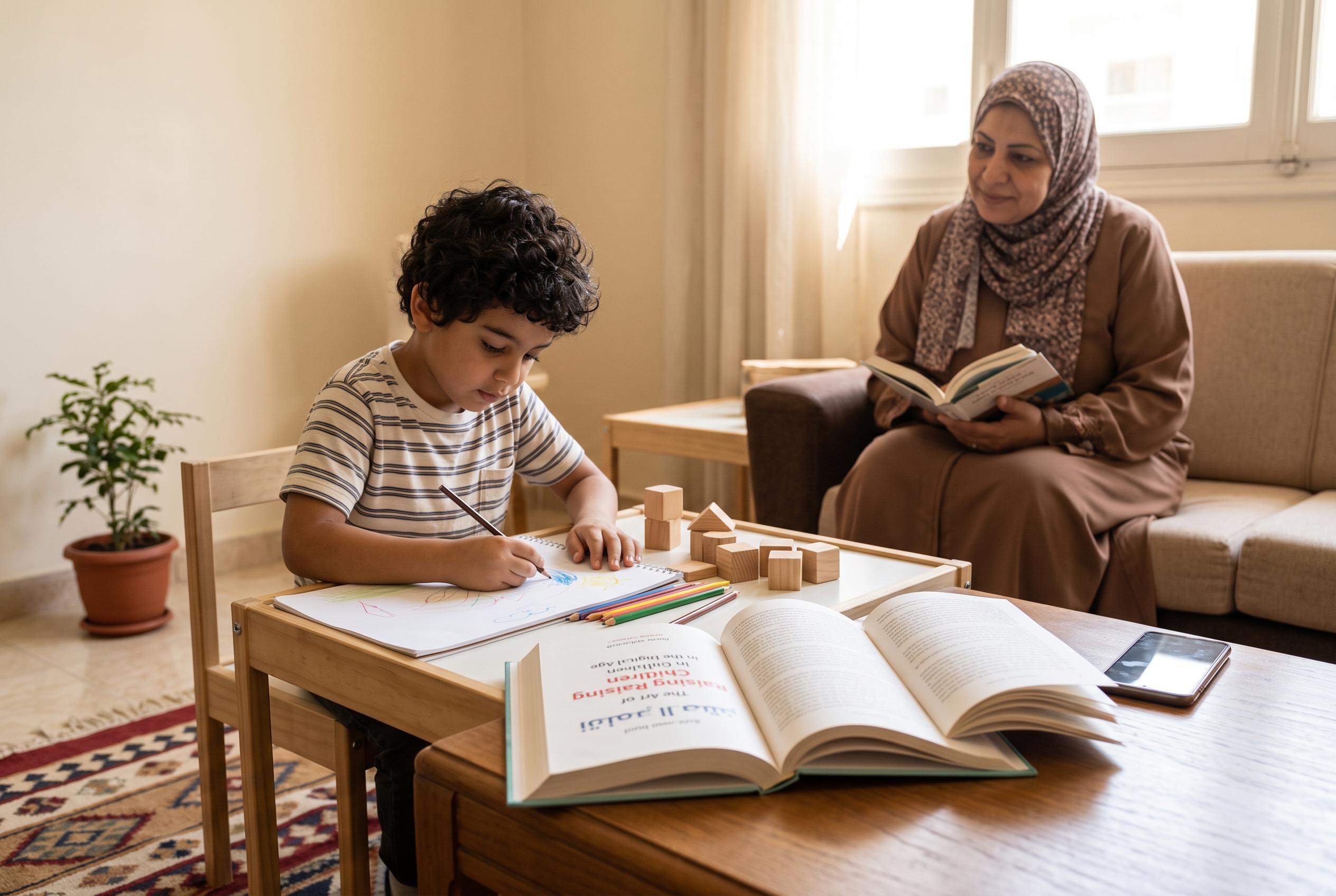
Dr Mahmoud Aliyan has argued that the most effective way to protect children is not through constant tracking, but through sound upbringing, awareness and a sense of responsibility. Speaking on the programme “Hot Line” with host Hisham Mousa on Al Hadath Al Youm, the human sciences expert said technology can help in some cases, particularly with younger children who need close supervision, but it should never replace the family’s role in guidance and formation.
Aliyan said freedom, privacy and التربية, or upbringing, should be treated as limits that cannot be ignored. As children grow older, he said, parents should move away from direct monitoring and towards trust, decision-making and accountability. His remarks reflect a wider discussion in Egypt about how families should respond to the pressures of digital life and the growing reach of online platforms.
That debate has also surfaced in public seminars. The Supreme Council of Culture recently held a session on protecting children from violence in the digital society, where speakers stressed the need for parental awareness and stronger digital literacy in schools. Another seminar, organised by the Centre for Dialogue for Political and Media Studies, examined the balance between family education and digital media, with experts warning that children’s development depends on combining traditional upbringing with an informed approach to technology.
Researchers and practitioners working in related fields have also pointed to the consequences of excessive surveillance and damaged trust in family relationships. Warshak’s work on severe parental conflict and custody disputes highlights how disruption in parent-child bonds can deepen when oversight replaces healthy communication, while other psychologists and educators have stressed the importance of empathy, identity and the child’s sense of humanity in an increasingly mediated world. In that context, Aliyan’s central message was that the goal should be to raise young people who can act with dignity, courage and self-reliance, not those who depend permanently on outside supervision.
Disclaimer: This content is for informational purposes only and is not intended to be a substitute for professional medical judgment, advice, diagnosis, or treatment.