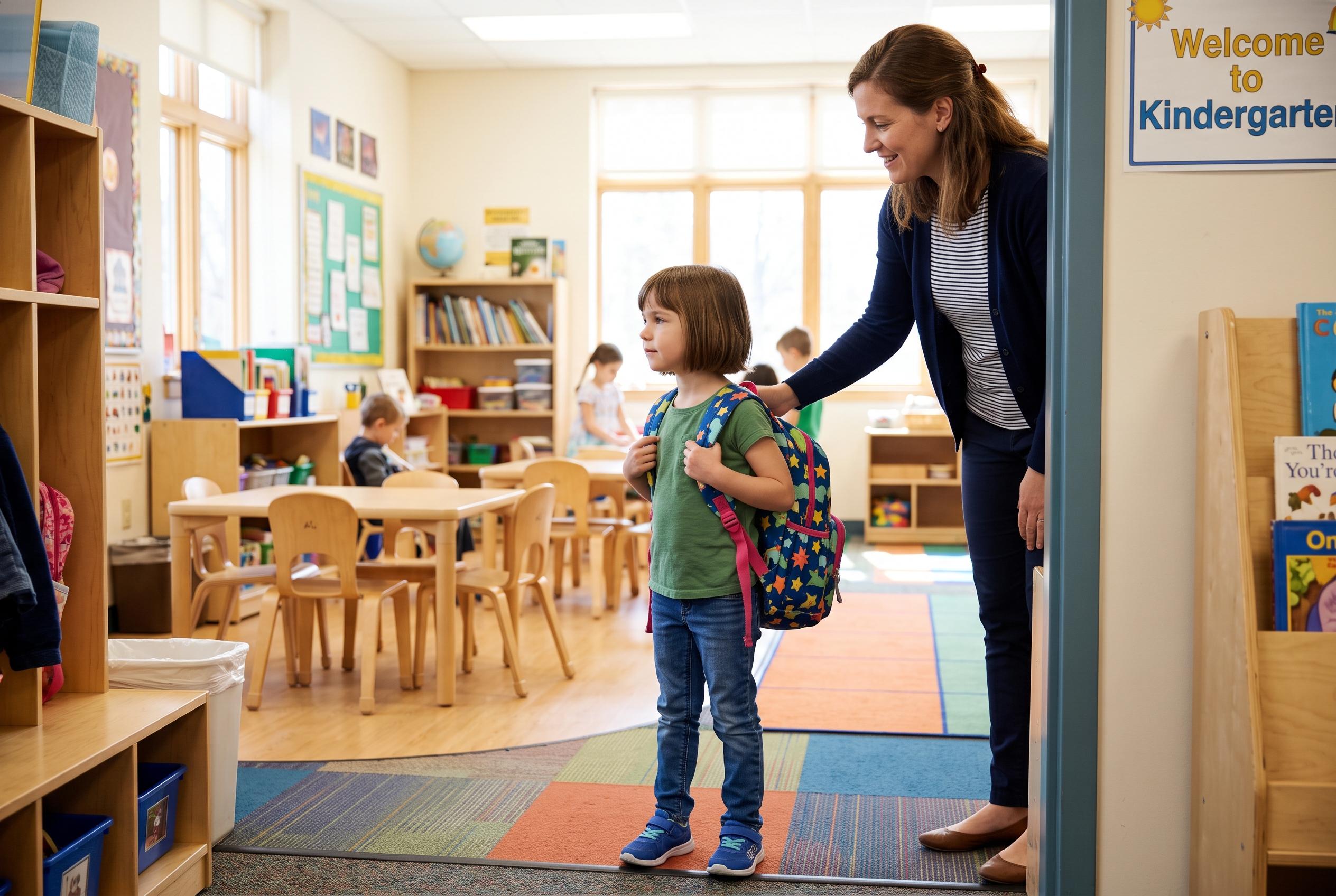

Psychologists emphasise that children’s adjustment to school can take months, with individual traits and support from families playing key roles. Proper preparation and ongoing emotional reassurance are vital to easing the transition, while recognising signs of deeper issues is crucial for long-term well-being.
Starting school is a major transition for any child, and experts say the adjustment rarely happens overnight. Ukrainian psychologist Olha Holubytska told UNN that, in normal circumstances, first-form adaptation can last up to three months, with the pace shaped by temperament, readiness for school and a child’s earlier social experience.
Holubytska said children who attended nursery school often settle more easily because they are already used to group settings, routines and following instructions from an adult. That view is broadly supported by recent research published in Frontiers in Psychology, which found that difficulties during the move from pre-school to primary school are common and that individual traits, classroom relationships and family support all play an important part in how well children cope.
For parents, early support matters more than pressure. Johns Hopkins Medicine advises families to help children prepare for new routines, visit the school in advance where possible and encourage independent behaviour, while Children’s Health says adults should validate feelings, ease the transition and give children time to settle. The University of Utah Health also recommends steady routines and emotional reassurance as children adjust to fuller school days.
Holubytska warned that longer-lasting problems may point to more than ordinary nerves. If a child is still struggling months into the school year, is repeatedly unwell, has sleep disturbances or night terrors, or shows intense anxiety, she said that could signal an underlying issue rather than simple adaptation. Johns Hopkins Medicine similarly notes that ongoing anxiety beyond the first few weeks may merit professional advice.
She also urged parents to watch for changes in behaviour. A child who becomes suddenly withdrawn after being lively, or who begins isolating themselves for an extended period, may need closer attention. At the same time, Holubytska drew a distinction between temporary stress-related withdrawal and more serious social isolation, saying the first can be part of normal adjustment. Her wider advice was simple: avoid comparison, do not demand perfection and treat a child’s fears as real rather than dismissing them.
Disclaimer: This content is for informational purposes only and is not intended to be a substitute for professional medical judgment, advice, diagnosis, or treatment.