

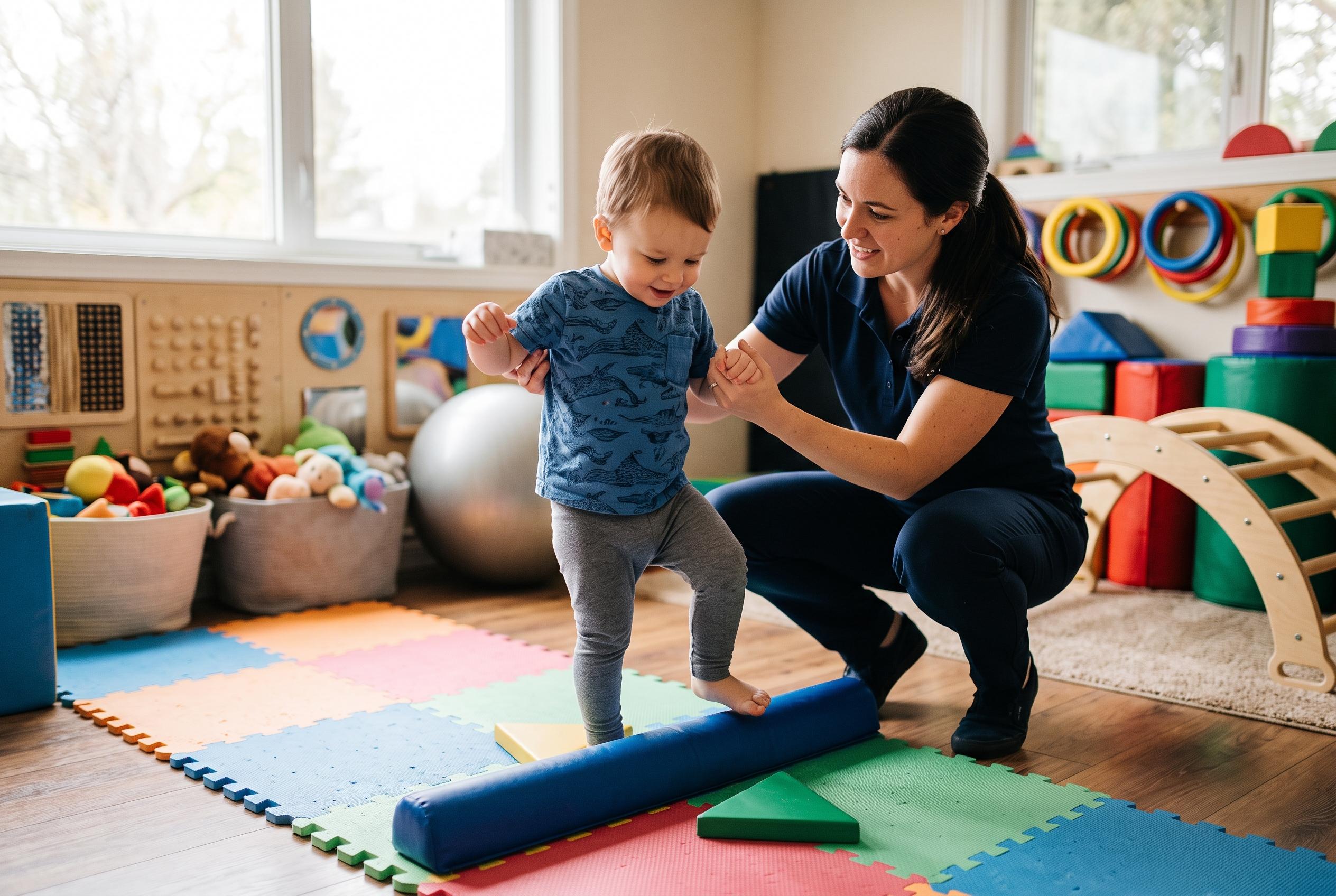

October’s National Physical Therapy Month spotlights how recognising early movement difficulties can prompt vital interventions, supporting children’s confidence and independence.
October marks National Physical Therapy Month, a timely reminder that movement skills are central to a child’s growth, from sitting and standing to running, jumping and climbing. The Cheshire Fitness Zone says that, although children develop at different rates, persistent movement difficulties can sometimes point to a need for extra support from a paediatric physical therapist.
Specialists in this field focus on strength, balance, coordination and mobility. Their aim is not simply to improve exercise performance, but to help children take part more comfortably in everyday life, whether that means joining in at playgroup, getting through a school day or managing the rough-and-tumble of the playground.
One of the clearest warning signs is a delay in reaching gross motor milestones, the large movements children typically develop over time. Southern Pediatric Therapy says this can include difficulties with head control, sitting, crawling, walking, running or jumping. Similar guidance from MidSouth Therapy Group stresses that delays in these skills are worth paying attention to because they can affect a child’s wider independence and confidence.
Balance and walking patterns can also offer clues. According to Southern Pediatric Therapy and Kitestherapy, children who seem unusually unsteady, move with an awkward gait or appear to use one side of the body more than the other may benefit from an evaluation. Launch Therapy Clinic also notes that a strong preference for turning or reaching in one direction, stiffness, low muscle tone or trouble moving between positions can suggest that a child needs support.
Another concern is when a child struggles to keep up with peers. Southern Pediatric Therapy says difficulty during play can be a sign that strength or coordination is lagging behind. NSPT for Kids adds that teachers may notice warning signs at school, such as a child falling behind during recess or physical education, or relying on positions such as W-sitting and propping on one arm for support.
Experts across these resources agree that early intervention can make a meaningful difference. Parents and caregivers do not need to wait for a child to “grow out of” movement concerns if something seems consistently off. A physical therapy assessment can help determine whether the issue is part of normal variation or a sign that targeted support would help a child move with greater ease and confidence.
Disclaimer: This content is for informational purposes only and is not intended to be a substitute for professional medical judgment, advice, diagnosis, or treatment.



