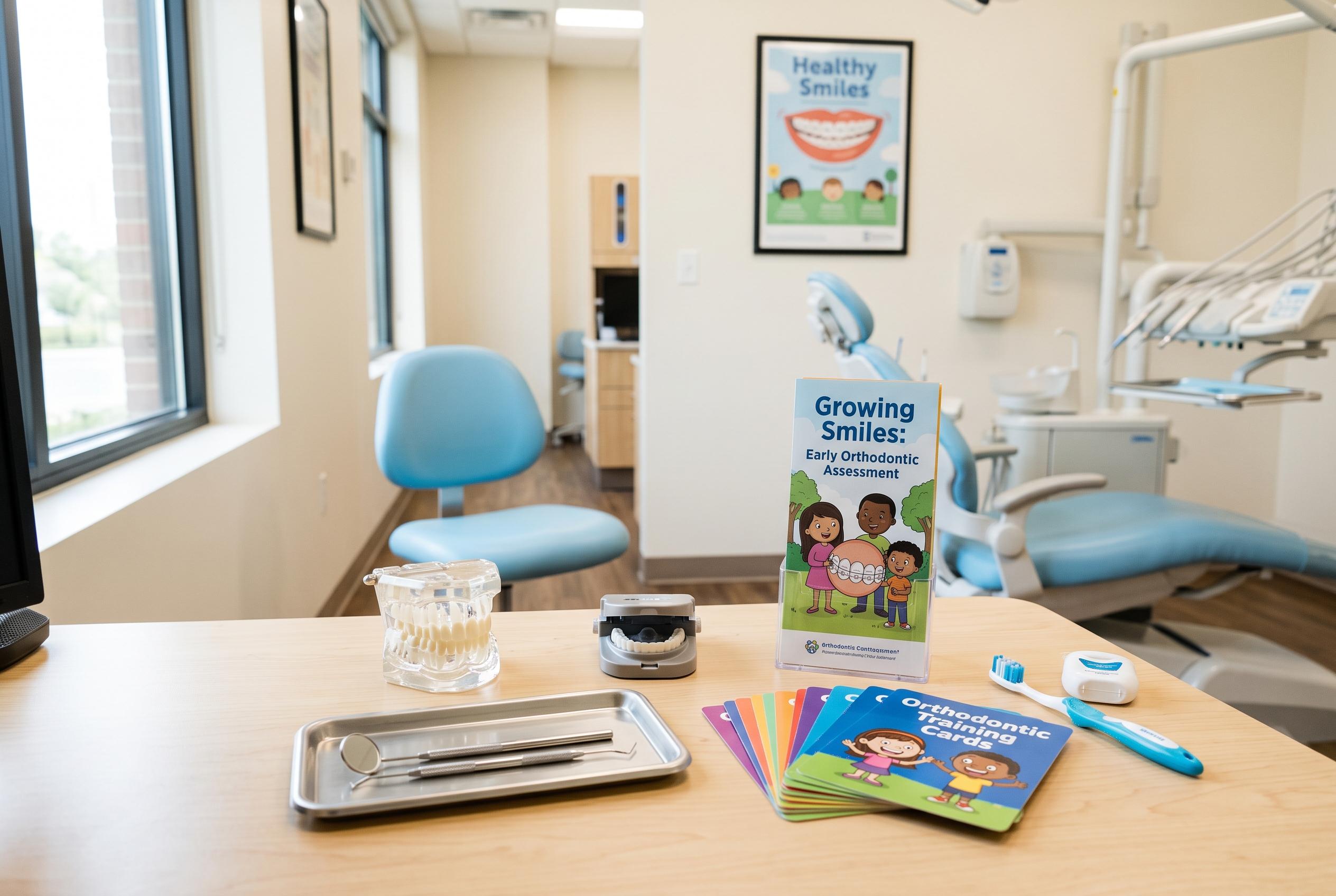

Experts emphasise the importance of early orthodontic evaluations in children to address developing crowding, bite problems, and jaw growth concerns before they become more difficult to treat, potentially safeguarding oral health and confidence in later years.
Orthodontic problems in children are not just a matter of appearance. According to guidance from paediatric dental specialists and orthodontic groups, early assessment can help doctors spot developing crowding, bite problems and jaw-growth concerns before they become more complicated to manage. The American Association of Orthodontists advises that children should have an orthodontic evaluation by age 7, even if treatment is not needed immediately.
When alignment problems are left alone, everyday oral care can become more difficult. Crowded or overlapping teeth can trap plaque and food, making brushing and flossing less effective and raising the risk of cavities and gum disease. Specialists also warn that untreated crowding or spacing problems often worsen as children grow, which can make later correction more involved.
Bite issues can create more than cleaning difficulties. Overbites, underbites and crossbites may affect how the upper and lower teeth meet, sometimes leading to uneven wear, jaw discomfort or trouble chewing. Some orthodontic sources also note that speech can be affected when teeth or jaws do not line up properly, which can add social and emotional strain for children already conscious of their smiles.
That is why many dentists stress the value of early monitoring, particularly while the jaw is still developing. An early visit can help clinicians guide jaw growth, make room for permanent teeth and reduce the chance that protruding front teeth are injured. Common warning signs include difficulty chewing, mouth breathing, thumb sucking beyond age 5, crowded teeth and crossbites.
The broader message from paediatric dentistry is that orthodontic concerns rarely correct themselves. Left untreated, they can progress from a modest alignment issue into a problem that affects oral hygiene, function and confidence. Regular check-ups with a children’s dentist and timely referral to an orthodontist can help families address concerns at the right stage of growth, when treatment options are often simpler and more effective.
Disclaimer: This content is for informational purposes only and is not intended to be a substitute for professional medical judgment, advice, diagnosis, or treatment.