

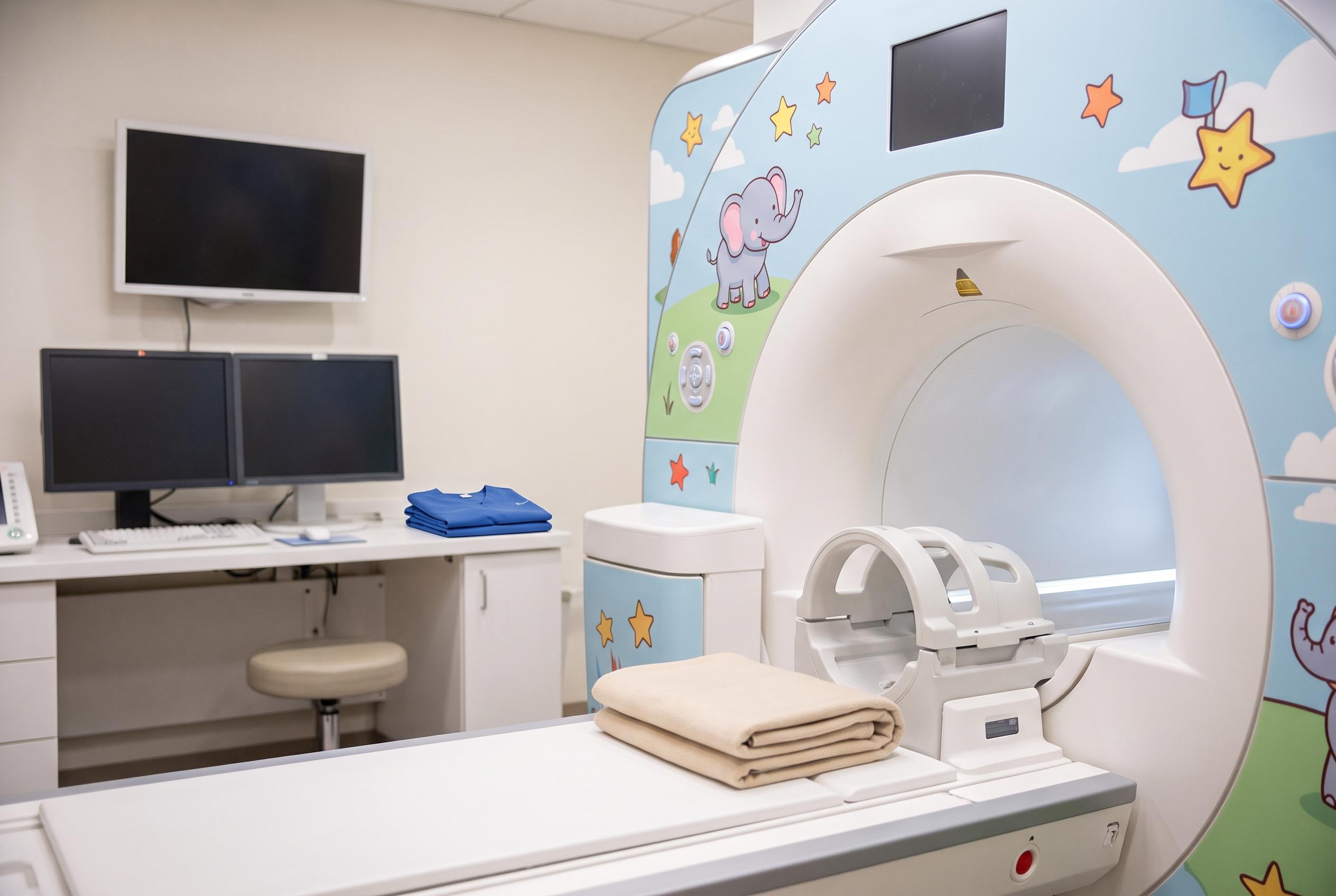

Research involving MRI scans of children at elevated risk uncovers subtle neurodevelopmental changes that could pave the way for earlier diagnosis and intervention strategies before symptoms emerge.
Researchers studying children at elevated risk of schizophrenia have found early brain differences that may appear before symptoms begin, adding to evidence that the disorder can leave subtle neurodevelopmental traces long before a diagnosis is made. The work, led by Kristin Laurens at King’s College London and published in CNS Spectrums, followed 88 children aged 9 to 12 over four years with MRI scans to track changes in brain structure.
The children were split into three groups: those with multiple early risk factors for schizophrenia, those with a family history of the condition and those developing typically. According to the study, both at-risk groups showed greater overall white matter volume than their peers. White matter helps different parts of the brain communicate, and the pattern remained across repeated assessments, suggesting the difference may emerge very early in development.
The family-history group also showed a different pattern in grey matter over the two-year follow-up, although the signal did not remain statistically significant after correction for multiple comparisons. That means the finding should be treated cautiously, but it fits with earlier research suggesting that structural brain changes can be detected in children and adolescents who are vulnerable to psychosis. Previous MRI studies and reviews have linked high-risk status and early-onset schizophrenia with altered grey matter trajectories and changes in regions involved in thinking and emotion.
The authors said the sample was relatively small, so larger studies are needed before firm conclusions can be drawn. Even so, they argue the results strengthen the case for earlier monitoring in children who have not yet developed clear clinical symptoms. As Laurens put it, “It is essential to establish systematic follow-up assessments and personalised intervention strategies that enable more accurate evaluation and stratification of the risk of developing schizophrenia in these children, thereby contributing to a more effective early intervention model.”
Disclaimer: This content is for informational purposes only and is not intended to be a substitute for professional medical judgment, advice, diagnosis, or treatment.


